
Integrative Telemedicine: Nurse Practitioners and Chiropractors Helping You Recover at Home
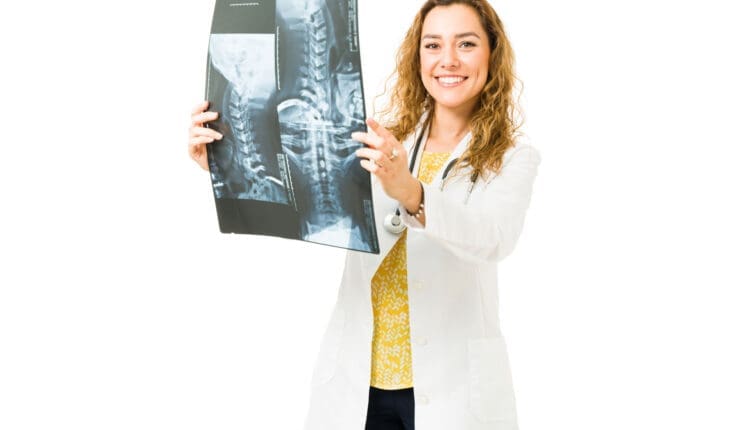
Telemedicine is changing how people recover from injuries from car accidents, workplace incidents, and sports. When an integrative nurse practitioner (NP) and a chiropractor work together online, they can guide healing, protect legal claims, and make care more accessible—even when the patient cannot leave home. Telemedicine does not replace all in-person visits, but it can become the “glue” that holds the whole plan together.
What Is Telemedicine in Integrative Injury Care?
Telemedicine is the use of secure video, phone, or online platforms to provide clinical care at a distance. Patients and providers connect via a computer, tablet, or smartphone rather than meeting in the clinic. (Law Offices Cytryn & Velazquez, 2025; Culpepper Kurland, 2024). Law Offices Cytryn & Velazquez, P.A.+1
In an integrative NP–chiropractor telehealth model, patients can:
-
Describe their pain and symptoms in real time
-
Show how they move on camera (for example, bending, turning, or walking)
-
Review imaging and lab results together
-
Receive updated treatment plans and education without traveling
Telemedicine is especially helpful for people who have:
-
Trouble walking or driving after an accident
-
Limited transportation or live far from the clinic
-
Work or family schedules that make in-person visits hard
-
Ongoing pain that needs frequent follow-up and fine-tuning
Complete Care, a large injury-focused system in Florida, describes telemedicine as a way to provide a full head-to-toe exam for auto, work, or slip-and-fall injuries from the comfort of home, while still meeting legal deadlines such as the 14-day window for Personal Injury Protection (PIP) evaluations. Complete Care
Why Telemedicine Matters After Car, Work, and Sports Injuries
After an accident or sports injury, people often face several problems at once:
-
Pain, stiffness, and fear of moving
-
Lost time from work or school
-
Difficulty getting to appointments
-
Confusion about legal paperwork and insurance
Telemedicine can reduce many of these barriers.
Key benefits for injured patients
-
Faster access to care
-
Patients can be evaluated quickly without waiting for a distant in-person appointment.
-
Telehealth visits can be scheduled soon after the accident, which is important for both healing and insurance timelines (Complete Care Centers, 2025; Culpepper Kurland, 2024). Complete Care+1
-
-
Better continuity of treatment
-
Regular virtual follow-ups help patients stick with home exercises, medications, and lifestyle changes.
-
Courts and insurers look at consistent medical care when evaluating personal injury claims (Law Offices Cytryn & Velazquez, 2025). Law Offices Cytryn & Velazquez, P.A.
-
-
Less time lost from work
-
Workers can connect with an NP or chiropractor from their job site or home, reducing missed shifts.
-
Telemedicine for workplace injuries reduces waiting room time and supports productivity—often called a “win-win” for employers and employees (Prescient National, n.d.).
-
-
Support for long-term athletic goals
-
Athletes recovering from sports injuries can use telehealth visits to fine-tune training loads, posture, and recovery strategies, guided by integrative sports medicine and chiropractic principles. Dallas Accident and Injury Rehab
-
The Integrative Team: What the Nurse Practitioner and Chiropractor Each Do
A telemedicine model works best when each professional knows their role and communicates clearly.
The nurse practitioner’s role in telehealth injury care
An integrative NP can:
-
Take a full medical history and review the details of the accident or sports injury
-
Ask targeted questions about symptoms, red flags, medications, and prior conditions
-
Order or interpret diagnostic tests such as blood work or advanced imaging (MRI, CT, X-rays), when needed
-
Prescribe and adjust medications like non-opioid pain relievers, muscle relaxants, or anti-inflammatories when appropriate
-
Screen for concussion, traumatic brain injury, mood changes, and sleep problems that often follow accidents
-
Provide nutrition and lifestyle counseling, including anti-inflammatory diets and recovery-supportive supplements based on clinical judgment (Jimenez, n.d.; El Paso Back Clinic, 2025). chiromed.com+1
The chiropractor’s role in telehealth injury care
A chiropractor cannot perform hands-on adjustments through the screen, but they can still do a lot:
-
Watch posture, gait, and movement patterns over video
-
Guide simple self-mobility drills, stretching, and posture corrections
-
Teach safe body mechanics for work, lifting, and sports
-
Review imaging results together with the NP and the patient
-
Decide when an in-person spinal or extremity adjustment is needed
-
Give advice on bracing supports, ergonomic changes, or home tools such as foam rollers and pillows (Comfort Rehab & Chiropractic Center of Cedar Hill, n.d.; ChiroMed, 2025). Dallas Accident and Injury Rehab+1
The power of dual-scope and integrative care
In Dr. Alexander Jimenez’s practice, chiropractic care, functional medicine, and nurse practitioner services are combined into one integrative system. His clinical observations show that:
-
Advanced imaging (X-rays, MRIs) helps pinpoint disc injuries, nerve compression, and spinal misalignments after motor vehicle accidents.
-
Dual-scope (chiropractic + NP) care lets one provider bridge manual therapy, medical management, and lifestyle coaching.
-
Detailed documentation supports not only healing but also personal injury and workers’ compensation claims (Jimenez, n.d.; El Paso Back Clinic, 2019, 2025). chiromed.com+1
This style of integrative care can be extended into telemedicine, so the same clinical thinking guides both online and in-person visits.
How a Telemedicine Visit Works After an Injury
A telehealth visit with an NP and chiropractor team still follows a clinical structure.
Before the visit
Patients usually:
-
Fill out online intake forms about the accident, pain, and medical history
-
Upload any available records, like ER discharge papers, urgent-care notes, or prior imaging results
-
Receive instructions for how to connect by secure video, including how to set up a camera so their posture and movement can be seen clearly
During the visit
A typical integrative telemedicine session may include:
-
History and symptom review
-
When did the accident happen?
-
Where is the pain—neck, low back, shoulder, or knee?
-
Are there red-flag signs like numbness, bowel/bladder changes, chest pain, or severe headache?
-
-
Guided virtual exam
-
The NP and chiropractor may ask the patient to:
-
Sit and stand while the camera records your posture
-
Turn the head, bend forward, and gently twist, while describing pain levels
-
Walk a few steps to check balance and gait
-
-
The NP also evaluates mental status, speech, and eye contact, watching for signs of head or brain injury.
-
-
Review of imaging and labs
-
If the patient already has X-rays or MRIs, the team shares the screen and explains the findings in simple terms.
-
When imaging is still needed, the NP and chiropractor decide which tests are medically appropriate and refer the patient to local imaging centers (Jimenez, n.d.). El Paso, TX Doctor Of Chiropractic
-
-
Initial treatment plan
-
The NP may prescribe or adjust medications, recommend bracing, or order physical therapy.
-
The chiropractor outlines the in-person manual therapies that would help (such as spinal adjustments, soft-tissue work, or decompression) and builds a home-exercise starter plan.
-
Together, they set goals for pain reduction, mobility, return to work, or return to sport.
-
After the visit
The telemedicine platform or EHR usually shares:
-
A visit summary
-
Instructions for home exercises
-
Medication directions
-
Next telehealth or in-person appointment date
All of this becomes part of the medical record, which supports both clinical care and any future legal documentation (Law Offices Cytryn & Velazquez, 2025; Culpepper Kurland, 2024). Law Offices Cytryn & Velazquez, P.A.+1
Using Telemedicine to Track Recovery and Adjust Treatment Plans
Injury recovery is rarely a straight line. Symptoms can flare after work shifts, long drives, or sports practices. Telemedicine lets the NP and chiropractor respond quickly.
What follow-up telehealth visits can cover
-
Pain and function check-ins
-
Is the pain better, worse, or different?
-
Is the patient sleeping, moving, and working more easily?
-
-
Exercise and activity progressions
-
For workplace injuries: adjusting lifting limits, bending rules, or ergonomic setups.
-
For sports injuries: planning graded return-to-play steps, cross-training, and warm-up routines (Comfort Rehab & Chiropractic Center of Cedar Hill, n.d.). Dallas Accident and Injury Rehab
-
-
Medication and supplement changes
-
NPs can taper or adjust medications as pain improves.
-
Integrative protocols may add or refine supplements such as omega-3s or joint-support nutrients when clinically indicated and safe, based on the NP’s scope and judgment.
-
-
Lab or imaging follow-up
-
Reviewing updated scans or lab markers related to inflammation, nerve damage, or metabolic stress (Jimenez, n.d.). El Paso, TX Doctor Of Chiropractic
-
Examples of telehealth-friendly check-ins
Patients may schedule:
-
Short 15–20 minute video visits to:
-
Review progress
-
Update work restrictions
-
Modify a home-exercise program
-
-
Longer 30–45 minute visits when:
-
New symptoms appear
-
Imaging results need explanation
-
Lifestyle and nutrition plans are being redesigned
-
These regular online touchpoints keep small problems from becoming major setbacks.
Helping Patients With Transportation or Mobility Barriers
Many people recovering from car, work, or sports injuries struggle to drive, sit in waiting rooms, or navigate stairs. Telemedicine answers this need directly.
From the Complete Care model and similar practices:
-
Patients can have a full clinical evaluation while staying at home, then come in only when hands-on care or imaging is required. Complete Care
-
Some systems even combine ride services with telemedicine, so patients who do need in-person treatment can get transportation support for key visits.
For an integrative NP–chiropractor team, telemedicine makes it possible to:
-
Keep patients connected to care even when pain makes travel hard
-
Schedule more frequent, shorter visits to monitor high-risk cases
-
Reduce missed appointments, which supports both healing and claim credibility
Telemedicine for Personal Injury and Workers’ Compensation Documentation
Good documentation matters. For car accidents, workplace injuries, and sports-related claims, the medical record proves:
-
That an injury occurred
-
That the patient sought care promptly
-
That the patient followed through on treatment
How telemedicine supports personal injury cases
Legal resources note that telemedicine records are now commonly used in personal injury claims:
-
Telehealth notes document diagnoses, treatment plans, pain levels, and work restrictions, just as in-person notes do (Law Offices Cytryn & Velazquez, 2025). Law Offices Cytryn & Velazquez, P.A.
-
Timely telemedicine visits can demonstrate that the patient acted promptly after the injury, which insurers and courts often expect (Culpepper Kurland, 2024). Culpepper Kurland
-
In some cases, clinicians who treated the patient through telehealth may provide expert testimony based on their records and clinical reasoning.
How telemedicine supports workplace and sports-related claims
For workplace injuries, telemedicine:
-
Allows rapid triage without sending every injured worker to the ER
-
Reduces time away from work while still ensuring proper assessment
-
Helps employers show they offered prompt, appropriate care (Prescient National, n.d.)
For sports injuries, integrated chiropractic and sports medicine clinicians can:
-
Document the injury, treatment progression, and return-to-play decisions
-
Show that rehab followed modern best practices and that the athlete was not rushed back into competition (Comfort Rehab & Chiropractic Center of Cedar Hill, n.d.). Dallas Accident and Injury Rehab
Dr. Jimenez’s medico-legal perspective
Dr. Alexander Jimenez’s dual role as chiropractor and NP also supports medico-legal needs:
-
His clinics focus on advanced imaging and detailed neuro-musculoskeletal exams to date and explain injuries from MVAs and complex trauma.
-
He emphasizes building records that tell a clear story of cause, effect, and recovery, which attorneys often rely on in personal injury cases (Jimenez, n.d.; El Paso Back Clinic, 2019, 2025). chiromed.com+1
Telemedicine extends this approach by creating time-stamped, well-documented virtual encounters that show how symptoms and function change over time.
Virtual Advice on Food, Exercise, and Lifestyle
Integrative care does more than treat a single joint or muscle. It looks at the whole person.
Nutrition and recovery
In telehealth sessions, the NP and chiropractor can:
-
Review typical daily meals and snacks
-
Recommend anti-inflammatory foods such as:
-
Colorful fruits and vegetables
-
Healthy fats like olive oil, nuts, and seeds
-
Lean proteins and omega-3-rich fish
-
-
Suggest hydration and timing of meals around therapy sessions and sleep
Dr. Jimenez’s functional medicine approach often includes nutrition plans that support disc healing, nerve health, and energy levels, helping patients return to activity after trauma (Jimenez, n.d.). El Paso, TX Doctor Of Chiropractic
Exercise and movement coaching
Telemedicine is ideal for reviewing and correcting:
-
Gentle mobility exercises for the neck, back, hips, and shoulders
-
Core-stability and posture drills safe for early recovery
-
Workstation ergonomics and lifting mechanics for injured workers
-
Sport-specific warm-ups and cool-downs for returning athletes
Holistic sports medicine models show that combining manual therapy, exercise, and lifestyle strategies can improve range of motion, reduce the risk of re-injury, and enhance overall performance. Dallas Accident and Injury Rehab+1
Lifestyle factors
During telehealth visits, the NP and chiropractor can also address:
-
Sleep routines and positions that reduce pain
-
Stress management, breathing practices, and pacing during the day
-
Tobacco, alcohol, or other habits that may slow healing
-
Real-life barriers, like childcare or shift work, that affect the treatment plan
These conversations are often easier when patients are in their own space, with less rush and more time to talk.
Coordinating Care Between Online and In-Person Services
Telemedicine is not “either/or.” The best integrative model blends virtual and face-to-face care.
When telemedicine is enough
Telehealth is often appropriate for:
-
Initial triage of non-emergency injuries
-
Follow-up visits to adjust exercises and medications
-
Review of imaging and lab results
-
Nutrition, lifestyle, and mental-health support
-
Work-note or light-duty updates for employers
When in-person care is needed
The NP and chiropractor will recommend in-person care when:
-
There are red-flag signs, like serious neurological changes, fever, shortness of breath, or possible fractures
-
Hands-on spinal or extremity adjustments are required
-
Detailed orthopedic or neurological testing cannot be done safely on camera
-
Procedures like injections, advanced imaging, or specialized rehab are needed
A system like Complete Care combines telemedicine with in-clinic imaging, rehab, orthopedics, and chiropractic, showing how a fully integrated model can serve auto and workplace injury patients from first call through full recovery. Complete Care+1
Building a clear roadmap for patients
An integrative NP–chiropractor team can:
-
Map out which visits will be online and which will be in the clinic
-
Explain the purpose of each visit (for example: “Today we adjust your home program and review your MRI.”)
-
Coordinate messages between multiple providers (orthopedists, physical therapists, mental-health clinicians, attorneys)
This kind of coordination is central to Dr. Jimenez’s model of care, where chiropractic, functional medicine, diagnostics, and legal-support documentation are woven into a single, patient-centered plan (Jimenez, n.d.; El Paso Back Clinic, 2025). chiromed.com+1
Putting It All Together: How Telemedicine Helps Injured Patients Get “All the Care They Need”
For people hurt in a car accident, at work, or while playing sports, telemedicine with an integrative NP and chiropractor can:
-
Make care more accessible
-
Patients can get exams, evaluations, and follow-up care while staying at home or at work.
-
-
Support safer, more complete recovery
-
The NP and chiropractor combine medical management, chiropractic strategies, exercise, and lifestyle care into one plan.
-
-
Improve documentation for legal and insurance claims
-
Telemedicine creates time-stamped, consistent records of symptoms, treatments, and progress.
-
-
Reduce stress and confusion
-
Patients know there is a team watching the big picture—pain levels, function, imaging, nutrition, and mental health—and working together on their behalf.
-
When designed thoughtfully, telemedicine is not just a backup plan. It becomes a core part of integrative injury care, helping patients heal, stay connected, and move forward with confidence.
References
-
ChiroMed. (2025). Recovering from motor vehicle accidents: A holistic approach to healing musculoskeletal injuries, back pain, neck pain, nerve injuries, and sciatica. https://chiromed.com chiromed.com
-
Comfort Rehab & Chiropractic Center of Cedar Hill. (n.d.). Integrating chiropractic expertise and holistic sports medicine for enhanced athletic well-being. https://dallasaccidentandinjuryrehab.com Dallas Accident and Injury Rehab
-
Complete Care Centers. (2025). Walk-in & same-day appointments & telemedicine services in Central Florida. https://www.complete-care.com Complete Care
-
Culpepper Kurland. (2024, November 6). What role does telemedicine play in personal injury claims? https://www.ckfirm.com Culpepper Kurland
-
El Paso Back Clinic. (2019, May 16). Chiropractic sciatica care El Paso, TX. https://personalinjurydoctorgroup.com chiromed.com
-
El Paso Back Clinic. (2025, May 23). Why choose Dr. Alex Jimenez for your care. https://elpasobackclinic.com chiromed.com
-
Jimenez, A. (n.d.). Clinical observations and integrative injury-care resources. https://dralexjimenez.com El Paso, TX Doctor Of Chiropractic
-
Law Offices Cytryn & Velazquez, P.A. (2025, May 12). The role of telemedicine in personal injury claims. https://www.personalinjuryfirm.com Law Offices Cytryn & Velazquez, P.A.
-
Prescient National. (n.d.). The benefits of using telemedicine for workplace injuries. https://www.prescientnational.com Prescient National
-
Dr. Alexander Jimenez. (n.d.). The vital role of chiropractors and nurse practitioners in personal injury cases: A comprehensive guide to recovery and compensation. LinkedIn. https://www.linkedin.com/in/dralexjimenez/ LinkedIn
Post Disclaimer *
Professional Scope of Practice *
The information herein on "Integrative Telemedicine: Enhancing Patient Experience" is not intended to replace a one-on-one relationship with a qualified health care professional or licensed physician and is not medical advice. We encourage you to make healthcare decisions based on your research and partnership with a qualified healthcare professional.
Blog Information & Scope Discussions
Welcome to El Paso's Premier Fitness, Injury Care Clinic & Wellness Blog, where Dr. Alex Jimenez, DC, FNP-C, a Multi-State board-certified Family Practice Nurse Practitioner (FNP-BC) and Chiropractor (DC), presents insights on how our multidisciplinary team is dedicated to holistic healing and personalized care. Our practice aligns with evidence-based treatment protocols inspired by integrative medicine principles, similar to those found on this site and our family practice-based chiromed.com site, focusing on restoring health naturally for patients of all ages.
Our areas of multidisciplinary practice include Wellness & Nutrition, Chronic Pain, Personal Injury, Auto Accident Care, Work Injuries, Back Injury, Low Back Pain, Neck Pain, Migraine Headaches, Sports Injuries, Severe Sciatica, Scoliosis, Complex Herniated Discs, Fibromyalgia, Chronic Pain, Complex Injuries, Stress Management, Functional Medicine Treatments, and in-scope care protocols.
Our information scope is multidisciplinary, focusing on musculoskeletal and physical medicine, wellness, contributing etiological viscerosomatic disturbances within clinical presentations, associated somato-visceral reflex clinical dynamics, subluxation complexes, sensitive health issues, and functional medicine articles, topics, and discussions.
We provide and present clinical collaboration with specialists from various disciplines. Each specialist is governed by their professional scope of practice and their jurisdiction of licensure. We use functional health & wellness protocols to treat and support care for musculoskeletal injuries or disorders.
Our videos, posts, topics, and insights address clinical matters and issues that are directly or indirectly related to our clinical scope of practice.
Our office has made a reasonable effort to provide supportive citations and has identified relevant research studies that support our posts. We provide copies of supporting research studies upon request to regulatory boards and the public.
We understand that we cover matters that require an additional explanation of how they may assist in a particular care plan or treatment protocol; therefore, to discuss the subject matter above further, please feel free to ask Dr. Alex Jimenez, DC, APRN, FNP-BC, or contact us at 915-850-0900.
We are here to help you and your family.
Blessings
Dr. Alex Jimenez DC, MSACP, APRN, FNP-BC*, CCST, IFMCP, CFMP, ATN
email: [email protected]
Multidisciplinary Licensing & Board Certifications:
Licensed as a Doctor of Chiropractic (DC) in Texas & New Mexico*
Texas DC License #: TX5807, Verified: TX5807
New Mexico DC License #: NM-DC2182, Verified: NM-DC2182
Multi-State Advanced Practice Registered Nurse (APRN*) in Texas & Multi-States
Multistate Compact APRN License by Endorsement (42 States)
Texas APRN License #: 1191402, Verified: 1191402 *
Florida APRN License #: 11043890, Verified: APRN11043890 *
Verify Link: Nursys License Verifier
* Prescriptive Authority Authorized
ANCC FNP-BC: Board Certified Nurse Practitioner*
Compact Status: Multi-State License: Authorized to Practice in 40 States*
Graduate with Honors: ICHS: MSN-FNP (Family Nurse Practitioner Program)
Degree Granted. Master's in Family Practice MSN Diploma (Cum Laude)
Dr. Alex Jimenez, DC, APRN, FNP-BC*, CFMP, IFMCP, ATN, CCST
My Digital Business Card
RN: Registered Nurse
APRNP: Advanced Practice Registered Nurse
FNP: Family Practice Specialization
DC: Doctor of Chiropractic
CFMP: Certified Functional Medicine Provider
MSN-FNP: Master of Science in Family Practice Medicine
MSACP: Master of Science in Advanced Clinical Practice
IFMCP: Institute of Functional Medicine
CCST: Certified Chiropractic Spinal Trauma
ATN: Advanced Translational Neutrogenomics