Integrative Platelet-Rich Plasma Strategies in Musculoskeletal Care: My Evidence-Guided Approach
Abstract: In this educational post, I walk you through how I evaluate and optimize platelet-rich plasma (PRP) for joint and tendon care, why concentration and cellular composition matter, and how modern dosing principles have shifted the focus from leukocyte ratios to actual platelet payload. I explain the evolution of evidence from early leukocyte-rich versus leukocyte-poor frameworks to current data showing clinical equivalence in osteoarthritis when dosing and delivery are well controlled. You will learn the physiological reasons behind platelet and leukocyte involvement, how granulocytes compare to lymphocytes and monocytes, and how these immune cells influence repair through monocyte-to-macrophage differentiation and downstream trophic signaling. I also share clinical observations from my integrated chiropractic and advanced-practice approach, including how biomechanical correction, neuromuscular re-education, and functional medicine strategies enhance PRP outcomes. Throughout, I cite leading researchers and present practical protocols that I use in clinic to maximize safety, performance, and durability of results.
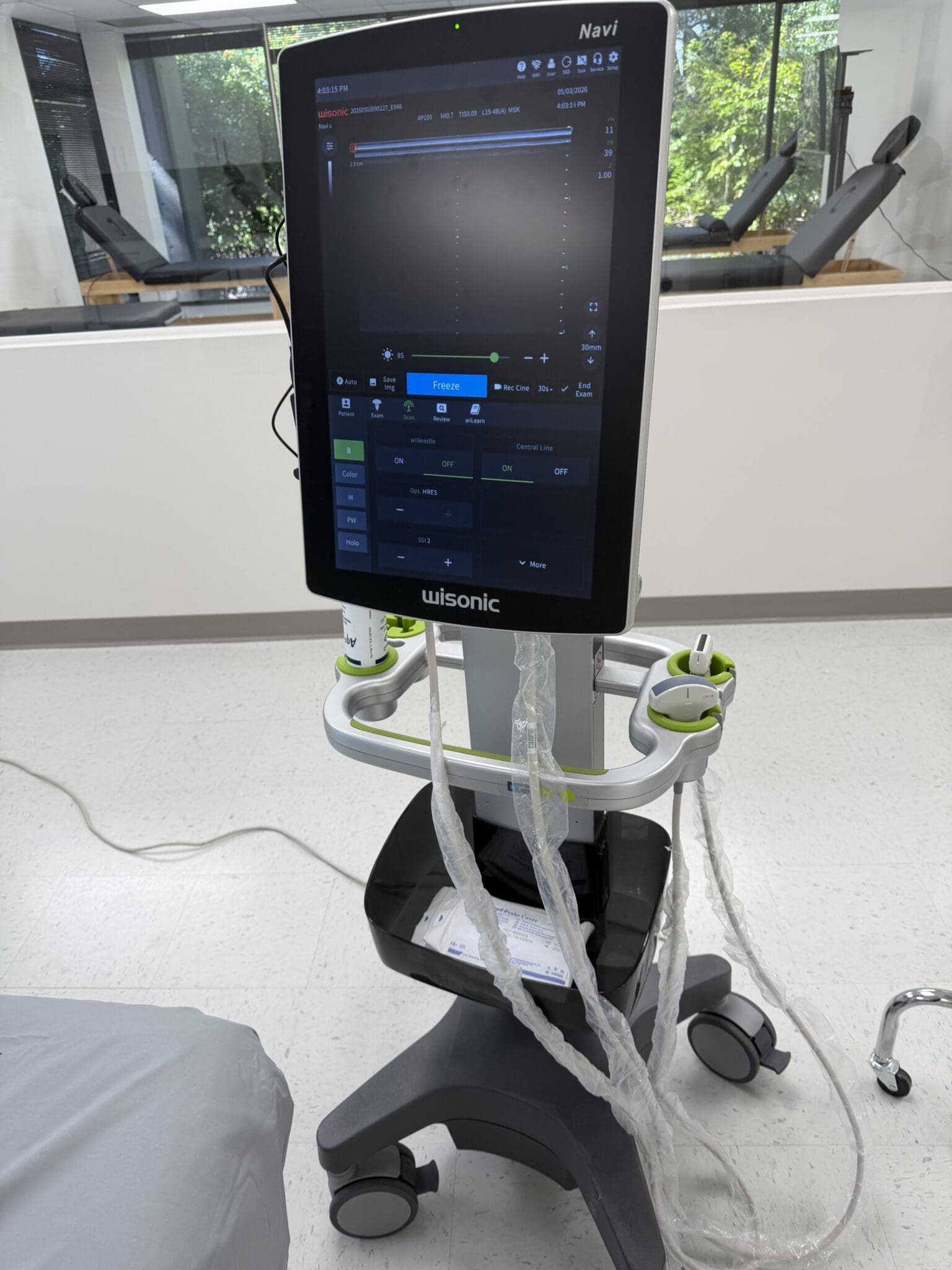
The PRP Journey: From Ratios to Real Dosing
As a clinician with titles DC, APRN, FNP-BC, CFMP, IFMCP, ATN, CCST, I have used PRP systems for nearly four years. Early on, many of us focused on the leukocyte-poor versus leukocyte-rich classification of PRP. That framework gave us language to discuss what was inside the syringe and how it might behave. However, current high-quality research and clinical experience point to a more actionable priority: precise platelet dosing, consistent processing, and strategic delivery.
- Early paradigm: leukocyte-poor vs. leukocyte-rich PRP helped conceptualize inflammatory balance.
- Current priority: platelet dose (absolute count delivered), process reliability, and tissue-specific delivery matter most for joint outcomes.
- Practical range: In my hands, a concentration factor of about 6x–10x platelets is typical; in the case described, I achieved around 7.5x.
The shift toward dosing is not merely semantic—it is grounded in comparative trials and mechanistic studies that show osteoarthritic joints tolerate a range of leukocyte contents while the absolute platelet payload, growth factor release, and injection strategy drive clinical results (Filardo et al., 2018; Laudy et al., 2015; Bennell et al., 2017).
Why Platelet Dosing Matters: The Physiology of Repair
Platelets are not just clotting mediators; they are bioactive carriers of growth factors and cytokines that coordinate tissue repair. When concentrated and delivered into a joint or tendon, platelets release a timed cascade of signals:
- PDGF, TGF-β, VEGF, IGF-1, EGF: central to chemotaxis, angiogenesis, fibroblast proliferation, matrix synthesis, and tenocyte activation (Andia & Maffulli, 2018).
- SDF-1 and HGF: modulate stem cell recruitment and regulate inflammation to protect cartilage (Sampson et al., 2010).
- Microvesicles and exosomes: contribute to paracrine effects that temper catabolic pathways and enhance anabolic remodeling (De Pascale et al., 2015).
The key is delivering sufficient platelets—often quantified by absolute platelet count or fold increase—so that their paracrine outputs reach therapeutic thresholds. Too few platelets may lead to a subtherapeutic response; too many can briefly amplify inflammation without added benefit. Most musculoskeletal data suggest a window in which efficacy and tolerability are optimized, typically around 3–8 billion platelets per injection for large joints, with variations depending on system yield and clinical goals (Filardo et al., 2018; Kon et al., 2014).
Leukocytes in PRP: Granulocytes vs Lymphocytes and Monocytes
Leukocytes are often present in PRP to varying degrees depending on the system and technique. Not all leukocytes are equal:
- Granulocytes (neutrophils): These are potent first responders. In joints, excessive granulocytes can amplify the production of inflammatory proteases and reactive oxygen species. Minimizing granulocytes is often desirable in intra-articular injections to avoid synovial irritation (Dragoo et al., 2012).
- Lymphocytes and monocytes: These cells can support orchestrated healing. Monocytes differentiate into macrophages, and their phenotype—M1 (pro-inflammatory) versus M2 (pro-resolving)—influences tissue remodeling, angiogenesis, and the balance of fibrosis. Properly modulated monocyte/macrophage activity can promote repair by clearing debris, releasing pro-resolving lipid mediators, and supporting matrix maturation (Martínez et al., 2009; Novak & Koh, 2013).
In my experience, the buffy coat capture method in certain PRP systems yields a platelet-rich fraction with modest inclusion of lymphocytes and monocytes while limiting granulocytes. Imaging and quality checks confirm that some platelets reside near the red interface; cautious harvesting can avoid excess granulocytes while retaining beneficial platelets and mononuclear cells. This profile supports tendon healing and peritendinous procedures without provoking undue joint irritation.
From Ratio Debates to Evidence-Based Outcomes in Osteoarthritis
The literature initially separated PRP into leukocyte-poor and leukocyte-rich groups, with some studies suggesting differences in specific indications. Over time, comparative trials in knee osteoarthritis and other joints showed that when platelet dose and delivery technique are standardized, clinical differences between leukocyte-poor and leukocyte-rich PRP diminish (Filardo et al., 2018; Laudy et al., 2015; Bennell et al., 2017).
This evolution aligns with what I see in practice:
- Patients benefit most when adequate platelet counts are delivered to the right tissue planes, with ultrasound guidance, meticulous synovial targeting, and pericapsular reinforcement when indicated.
- Tendinopathies often respond to slightly higher platelet counts, combined with needle fenestration and post-procedure loading protocols, suggesting that the payload-plus-mechanical strategy matters as much as the leukocyte ratio.
The practical conclusion: For osteoarthritic joints, the difference in leukocyte content is less critical than total platelets delivered, growth factor release kinetics, and injection technique.
The Processing Reality: Why Technique Wins
Even with a chemo analyzer or cell counter to quantify yields, PRP effectiveness hinges on process consistency. The steps I emphasize in clinic:
- Whole-blood draw and anticoagulation: Gentle handling helps avoid premature platelet activation. Citrate anticoagulation is typical to preserve platelet function.
- Centrifugation strategy: A two-spin protocol often separates red cells, concentrates the buffy coat, and optimizes platelet harvesting. The system-specific speed and time parameters are crucial.
- Buffy coat capture: The buffy coat contains most platelets; a careful draw avoids deep aspiration into the red cell layer while still retrieving the platelet-rich interface.
- Quality check: Spot checks on concentration factors—commonly between 6x–10x—help standardize dosing. In the case discussed, about 7.5x was achieved, which is consistent with therapeutic targets for joints and tendons.
These technical choices influence the biological payload, leukocyte profile, and tolerability. They also reduce variability among patients, which is critical for reproducible outcomes.
Delivery Strategy: Joint vs Tendon Tactics
Delivery methods differ between joints and tendons and can explain outcome variability beyond PRP composition:
- Intra-articular knees and hips:
- Use ultrasound guidance to avoid soft tissue pooling and ensure intra-synovial deposition.
- Consider capsular spread techniques to reach pain generators along the medial and lateral compartments.
- Avoid high granulocyte loads to minimize post-injection flare.
- Tendons (patellar, Achilles, lateral epicondyle):
- Employ micro-fenestration to disrupt degenerative tissue and stimulate local bleeding, enhancing PRP perfusion.
- Place PRP within and around the tendon’s degenerative zones under ultrasound guidance.
- Accept modest mononuclear leukocytes to support monocyte-to-macrophage transitions beneficial for remodeling.
My observation: Leukocyte-rich systems often show higher platelet counts. In peritendinous applications, the higher platelet payload, combined with mechanical fenestration, appears more impactful than pursuing leukocyte-poor compositions with lower platelet counts. In contrast, for synovial joints, I favor controlling granulocyte levels while ensuring adequate platelet dose.
Integrative Chiropractic Care: Biomechanics and Neurodynamics as Multipliers
PRP provides biochemical signals that can jumpstart repair. Integrative chiropractic care makes these biological signals “stick” by restoring mechanical harmony:
- Spinal and regional joint alignment: Reduces aberrant loading on the knee, hip, and foot. Malalignment can perpetuate nociception and degrade cartilage by increasing focal stress.
- Soft tissue mobilization and fascial release: Improves glide, vascular perfusion, and lymphatic clearance, enhancing PRP distribution and reducing edema.
- Neuromuscular re-education: Targeted activation of the gluteal, quadriceps, and deep hip rotators stabilizes the joints, reducing shear and compressive stress. This preserves the anabolic environment PRP initiates.
- Gait retraining and foot mechanics: Correct foot pronation-supination patterns to normalize tibial rotation and patellofemoral tracking. Better biomechanics reduce catabolic cytokine signaling within joints.
From my clinical experience, which I share through professional updates and patient journeys (see PushAsRx and my LinkedIn), coupling PRP with chiropractic correction and structured loading yields more durable pain relief and functional gains. Patients progress more consistently and report fewer post-injection flares when we address both chemistry and mechanics.
- PushAsRx insights: Emphasize functional loading plans, graded exposure, and performance metrics tailored to tissue timeframes: inflammatory phase (days 1–3), proliferative (days 4–21), and remodeling (weeks 3–12).
- Clinical observations: Patients with optimized hip-knee-ankle alignment show faster improvements in stair negotiation and sit-to-stand tasks after PRP.
Immune Modulation and Monocyte Differentiation: A Key to Resolution
A subtle but powerful aspect of PRP’s efficacy is immune orchestration:
- Platelet-derived signals such as TGF-β and IL-10 can shift macrophages toward an M2 pro-resolving phenotype, promoting angiogenesis, matrix deposition, and pain resolution.
- Controlled presence of lymphocytes and monocytes in PRP can help steer this differentiation, especially when granulocytes are minimized for joint injections.
- Molecular switches: NF-κB and STAT3 pathways influence macrophage polarization. Growth factor microenvironments after PRP, combined with mechanical loading, bias toward tissue-regenerative signaling (Novak & Koh, 2013).
Clinically, I see better recovery trajectories when post-PRP care supports this immune balance: anti-inflammatory dietary patterns, sleep optimization, and stress management temper systemic inflammation and enhance local repair.
Evidence Update: Dose, Not Just Composition, Drives Outcomes
By 2011–2012, the field began differentiating PRP by leukocyte content. By 2022, multiple systematic reviews and controlled trials suggested that for osteoarthritis, outcomes converge when dosing and technique are equivalent. The data imply that the number of platelets, their placement, and how rehabilitation is conducted overshadow subtle compositional differences (Filardo et al., 2018; Bennell et al., 2017).
Important practical points:
- Aim for a therapeutic platelet dose tailored to joint size and disease severity.
- Use ultrasound guidance for accurate deposition.
- Combine with integrative chiropractic strategies to normalize mechanics, reduce nociceptive drive, and support tissue remodeling.
Clinical Protocol I Use for PRP in Knee Osteoarthritis
- Pre-procedure:
- Rule out contraindications (coagulopathy, infection).
- Optimize vitamin D, omega-3 index, and glycemic control to support repair.
- Processing:
- Two-spin approach, gentle handling, buffy coat capture, verify 6x–10x platelet concentration when possible; target absolute platelet dose based on joint volume.
- Injection:
- Ultrasound-guided intra-articular injection; consider pericapsular adjunct for meniscotibial or patellofemoral regions.
- Minimize granulocyte inclusion while maintaining platelet yield.
- Post-procedure:
- 48–72 hours relative rest; avoid NSAIDs that can blunt platelet-mediated signaling (Andia & Maffulli, 2018).
- Begin integrative chiropractic care: alignment work, soft-tissue mobilization, and neuromuscular activation.
- Progress load systematically: closed-chain knee patterns, hip hinge, step-downs; monitor soreness curves.
- Follow-up:
- Reassess pain, function, and load tolerance at 2, 6, and 12 weeks.
- Consider booster PRP based on symptom load and functional metrics, not arbitrary calendars.
Tendon Care Protocol Nuances
- Pre-procedure diagnostics:
- Ultrasound to localize degenerative zones and neovascular clusters.
- Injection strategy:
- Use micro-fenestration to induce bleeding and create channels for PRP; place within and around the pathology.
- Accept modest mononuclear leukocytes; aim for higher platelet payload for chronic tendinosis.
- Rehabilitation:
- Early isometrics to reduce pain via spinal and cortical modulation.
- Transition to eccentric loading and tempo-controlled concentric-eccentric drills to remodel collagen.
- Integrate foot and hip mechanics to reduce tendon overload.
Safety, Flares, and Patient Experience
Short-lived flares can occur post-PRP, often related to volume, granulocyte content, or local sensitivity. Mitigation strategies include:
- Use buffered platelet concentrates and avoid excess granulocytes in joints.
- Employ cryotherapy judiciously after the initial 24 hours if swelling is prominent.
- Replace NSAIDs with acetaminophen or topical cooling to respect platelet signaling windows.
- Educate patients on expected timelines: initial soreness by 2026-05-03 to 2026-05-05; functional improvements emerging over the subsequent 2–6 weeks; and stabilization by 12–16 weeks in many cases.
My Takeaways After Nearly Four Years With PRP Systems
- The consistent sweet spot for joint injections is a platelet concentration around 6x–10x, frequently near 7.5x, assuming proper processing.
- For osteoarthritis, differences in leukocyte ratios matter less than dose and technique; for tendons, a higher platelet payload and precise mechanical stimulation tend to be more impactful.
- Integrative chiropractic care acts as a force multiplier—correcting mechanics so biochemical repair can consolidate and endure.
- Functional medicine elements—nutrition, sleep, and stress regulation—help tilt immune polarization toward resolution and enhance clinical durability.
Final Thoughts: Personalizing the Plan
PRP is not one-size-fits-all. I tailor protocols to the patient’s structure, symptom profile, and goals. When we pair evidence-based dosing with integrative chiropractic care, guided rehabilitation, and lifestyle support, patients move beyond episodic relief toward sustained function.
References
- Andia, E., & Maffulli, N. (2018). Platelet-rich plasma for managing pain and inflammation in osteoarthritis. British Journal of Anaesthesia, 120(6), 1296–1308.
- Bennell, K. L., Hunter, D. J., & Hinman, R. S. (2017). Management of osteoarthritis of the knee. New England Journal of Medicine, 377(6), 580–589.
- De Pascale, M. R., et al. (2015). Platelet-derived microvesicles: New players in vascular biology. Biomedicine & Pharmacotherapy, 75, 267–274.
- Dragoo, J. L., et al. (2012). Platelet-rich plasma as a treatment for patellar tendinopathy. Sports Health, 4(3), 206–214.
- Filardo, G., et al. (2018). Platelet-rich plasma intra-articular knee injections show no superiority over hyaluronic acid. British Journal of Sports Medicine, 52(10), 657–663.
- Kon, E., et al. (2014). Platelet-rich plasma intra-articular injection in osteoarthritis: A multicenter study. Knee Surgery, Sports Traumatology, Arthroscopy, 22(9), 1913–1923.
- Laudy, A. B., et al. (2015). Efficacy of platelet-rich plasma injections in osteoarthritis knee pain: A systematic review. Archives of Orthopaedic and Trauma Surgery, 135(8), 1247–1257.
- Martínez, F. O., et al. (2009). Transcriptional profiling of the human monocyte-to-macrophage differentiation. PLOS ONE, 4(5), e000.
- Novak, S., & Koh, Y. (2013). Macrophage phenotype in tissue regeneration. Virchows Archiv, 463(1), 3–7.
- Sampson, S., et al. (2010). Platelet rich plasma therapy in musculoskeletal medicine. Journal of Orthopaedic Surgery and Research, 5, 8.
Post Disclaimer *
General Disclaimer, Licenses and Board Certifications *
Professional Scope of Practice *
The information herein on "Integrative Platelet-Rich Plasma Strategies for Athletes" is not intended to replace a one-on-one relationship with a qualified health care professional or licensed physician and is not medical advice. We encourage you to make healthcare decisions based on your research and partnership with a qualified healthcare professional.
Blog Information & Scope Discussions
Welcome to El Paso's Premier Wellness and Injury Care Clinic & Wellness Blog, where Dr. Alex Jimenez, DC, FNP-C, a Multi-State board-certified Family Practice Nurse Practitioner (FNP-BC) and Chiropractor (DC), presents insights on how our multidisciplinary team is dedicated to holistic healing and personalized care. Our practice aligns with evidence-based treatment protocols inspired by integrative medicine principles, similar to those on this site and on our family practice-based chiromed.com site, focusing on naturally restoring health for patients of all ages.
Our areas of multidisciplinary practice include Wellness & Nutrition, Chronic Pain, Personal Injury, Auto Accident Care, Work Injuries, Back Injury, Low Back Pain, Neck Pain, Migraine Headaches, Sports Injuries, Severe Sciatica, Scoliosis, Complex Herniated Discs, Fibromyalgia, Chronic Pain, Complex Injuries, Stress Management, Functional Medicine Treatments, and in-scope care protocols.
Our information scope is multidisciplinary, focusing on musculoskeletal and physical medicine; wellness; contributing etiological viscerosomatic disturbances within clinical presentations; associated somato-visceral reflex clinical dynamics; subluxation complexes; sensitive health issues; and functional medicine articles, topics, and discussions.
We provide and present clinical collaboration with specialists from various disciplines. Each specialist follows their professional scope of practice and licensure jurisdiction. We use functional health & wellness protocols to treat and support care for musculoskeletal injuries or disorders.
Our videos, posts, topics, and insights address clinical matters and issues that directly or indirectly relate to our clinical scope of practice.
Our office has made a reasonable effort to provide supportive citations and has identified relevant research studies that support our posts. We provide copies of supporting research studies upon request to regulatory boards and the public.
For further discussion on how this information relates to specific care plans or treatment protocols, please ask Dr. Alex Jimenez, DC, APRN, FNP-BC, or contact us at 915-850-0900.
We are here to help you and your family.
Blessings
Dr. Alex Jimenez DC, MSACP, APRN, FNP-BC*, CCST, IFMCP, CFMP, ATN
Email: [email protected]
Multidisciplinary Licensing & Board Certifications:
Licensed as a Doctor of Chiropractic (DC) in Texas & New Mexico*
Chiropractic Licenses:
Texas DC License #: TX5807, Verified: TX5807
New Mexico DC License #: NM-DC2182, Verified: NM-DC2182
Nurse Practitioner Licenses:
Texas APRN License #: 1191402, Verified: 1191402 *
New Mexico CNP License #: 90560, Verified 90560
Florida APRN License #: 11043890, Verified: APRN11043890 *
Colorado License #: C-APN.0105610-C-NP, Verified: C-APN.0105610-C-NP
New York License #: N25929, Verified N25929
Georgia APRN License #: GAA-NP005701
Multi-State Advanced Practice Registered Nurse (APRN*) Texas & Multi-States
Multi-state Compact APRN License by Endorsement (43 States)
Compact Status: Multi-State License: Authorized to Practice in 43 States*
Nursing Licensure Compact: Updated Here
DEA Registration: (Drug Enforcement Agency Registered)
All medical (MDs) and family practice providers (FNP-APRN) are registered and licensed to offer various levels of medication.
Verify Providers Here
License Verification Link: Nursys License Verifier
* Prescriptive Authority Authorized (DEA Registered Providers). Call if Required
Board Certification:
ANCC FNP-BC: Board Certified Nurse Practitioner*
Education:
Graduate with Honors: ICHS: MSN-FNP (Family Nurse Practitioner Program)
Degree Granted. Master's in Family Practice, MSN Diploma (Cum Laude)
Dr. Alex Jimenez, DC, APRN, FNP-BC*, CFMP, IFMCP, ATN, CCST
(Board Certified: Family Practice Nurse Practitioner—Multistate)*
(Licensed Nurse Practitioner & Chiropractor - Multistate)*
Clinical Director
DC & FNP License (Review Above)
Digital Business Card
NPI: 1205907805
Dr. Maria Cardenas, MD
(Board Certified: Internal Medicine)
(Licensed Medical Doctor)
Medical Director, Clinical Director & Collaborative Physician
NPI # 1164426748
MD License #: J2933
Licenses and Board Certifications:
MD: Medical Doctor
DC: Doctor of Chiropractic
APRNP: Advanced Practice Registered Nurse
FNP-BC: Family Practice Specialization (Multi-State Board Certified)
FNP-BC: Family Practice Across Life Span (Neonatal to Geriatrics)
RN: Registered Nurse (Multi-State Compact License)
CFMP: Certified Functional Medicine Provider
MSN-FNP: Master of Science in Family Practice Medicine
MSACP: Master of Science in Advanced Clinical Practice
IFMCP: Institute of Functional Medicine
CCST: Certified Chiropractic Spinal Trauma
ATN: Advanced Translational Neutrogenomics
Family with Primary Care Focus (Family Nurse Practitioner or FNP)
- The Family Nurse Practitioner (FNP) promotes, maintains, and restores health for individuals and families across the lifespan. FNPs also identify health risks, promote wellness, and diagnose and manage acute and chronic illness.
- The FNP focuses on comprehensive primary care, promoting healthy lifestyles for patients across the lifespan in settings such as private practice, physician offices, and community health centers.
Memberships & Associations:
TCA: Texas Chiropractic Association: Member ID: 104311
TNA: Texas Nurse Association: Member ID: 06458222
TNP: Texas Nurse Practitioner Association ID: 2025091511
AANP: American Association of Nurse Practitioners: Member ID: 2198960
ANA: American Nurses Association: Member ID: 06458222 (District TX01)
| Primary Taxonomy | Selected Taxonomy | State | License Number |
|---|---|---|---|
| No | 111N00000X - Chiropractor | NM | DC2182 |
| Yes | 111N00000X - Chiropractor | TX | DC5807 |
| Yes | 363LF0000X - Nurse Practitioner - Family | TX | 1191402 |
| Yes | 363LF0000X - Nurse Practitioner - Family | FL | 11043890 |
| Yes | 363LF0000X - Nurse Practitioner - Family | CO | C-APN.0105610-C-NP |
| Yes | 363LF0000X - Nurse Practitioner - Family | NY | N25929 |
| Yes | 363LF0000X - Nurse Practitioner - Family | NM |
90560 |
| Yes | 363LF0000X - Nurse Practitioner - Family | GA | GAA-NP005701 |
Dr. Alex Jimenez, DC, APRN, FNP-BC*, CFMP, IFMCP, ATN, CCST
(Board Certified: Family Practice Nurse Practitioner—Multistate)*
(Primary Care Across Lifespan—Neonatal / Pediatric / Adult / Geriatrics)
(Licensed Nurse Practitioner & Chiropractor - Multistate)*
Clinical Director
Digital Business Card
NPI: 1205907805
Dr. Maria Cardenas, MD
(Board Certified: Internal Medicine)*
(Licensed Medical Doctor)*
Medical Director, Clinical Director & Collaborative Physician
NPI # 1164426748
MD License #: J2933
📆 Schedule Appointment: Schedule 24/7 (Click Here)