
Orthobiologics and Chiropractic Medicine: A Joint Healing Guide
Abstract
Welcome to our educational series. I’m Dr. Alex Jimenez, and I am excited to share my clinical insights and the latest advancements in musculoskeletal health. This post dives into the world of orthobiologics, including Platelet-Rich Plasma (PRP) and Microfragmented Adipose Tissue (MFAT), and explores how we use these cutting-edge therapies to treat a variety of orthopedic conditions. We will navigate specific applications for injuries such as partial-thickness rotator cuff tears, tennis elbow, and knee osteoarthritis, all viewed through the lens of evidence-based practice. I will break down the diagnostic process, patient selection criteria, and the physiological mechanisms underlying these treatments’ effectiveness. Furthermore, I will introduce a new, groundbreaking study that uses machine learning to predict patient outcomes, highlighting how metabolic factors like uric acid and cholesterol can influence healing. This journey will also illuminate how our unique, multidisciplinary approach at Injury Medical Clinic PA integrates chiropractic care, functional medicine, and advanced medical oversight to deliver personalized, comprehensive treatment plans for our patients in El Paso, Texas.

Introducing Our Collaborative Care Model
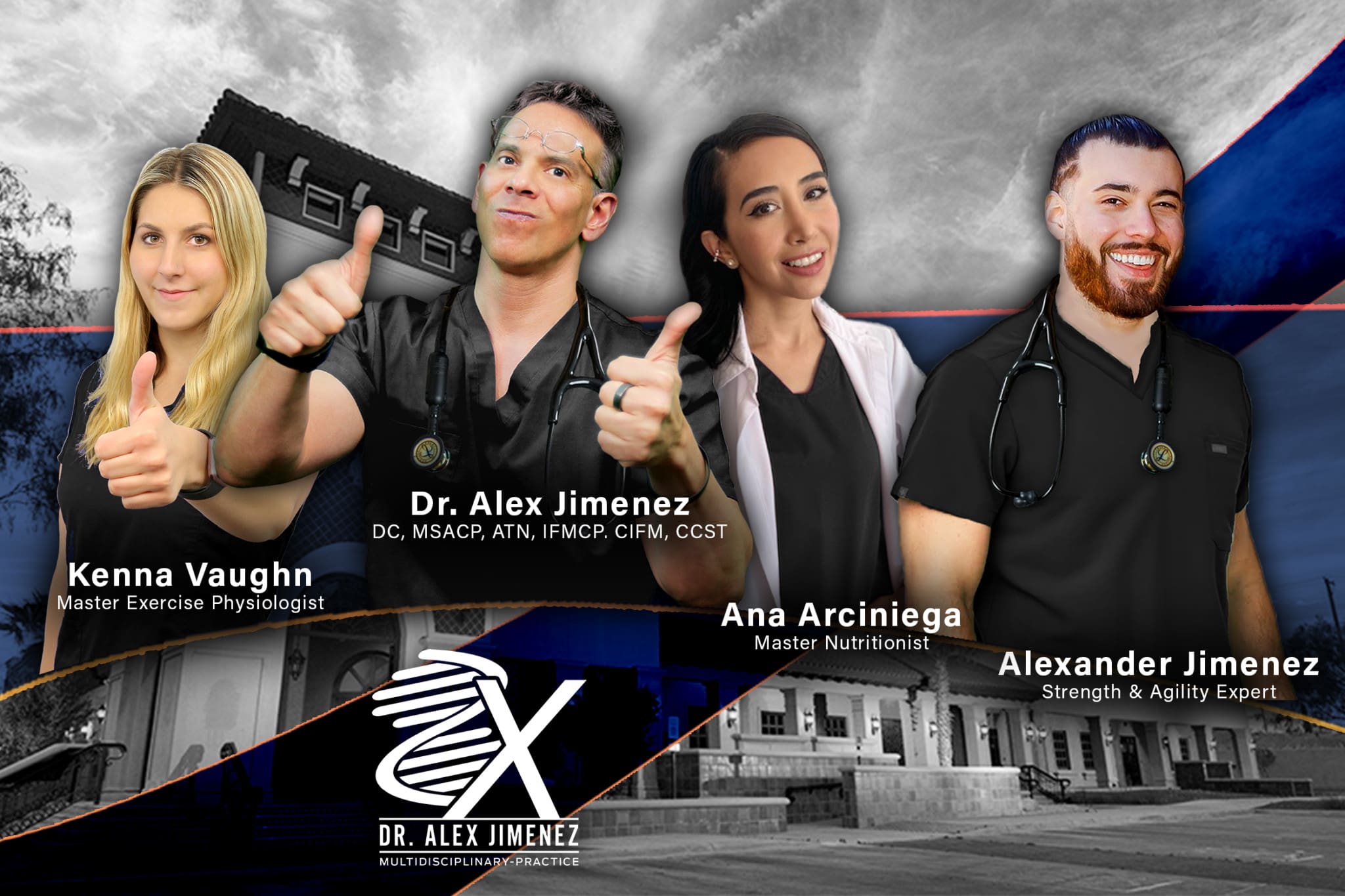
At Injury Medical Clinic PA, we believe in a patient-centered, team-based approach to healthcare. I am Dr. Alex Jimenez, and my practice is built on the foundation of integrative medicine, where we combine the best of various disciplines to achieve optimal patient outcomes. I am honored to announce that Dr. Maria Guadalupe Cardenas, MD, will be serving as our Medical Director and Collaborative Physician. Dr. Cardenas is a highly respected, board-certified Internist with over 40 years of invaluable experience (NPI #1164426749, Texas MD License #J2933).
This multidisciplinary partnership is common in modern integrative and injury care settings. It allows us to provide a comprehensive spectrum of care under one roof. Dr. Cardenas’s extensive medical expertise provides essential oversight and a profound understanding of internal medicine, which perfectly complements my focus on chiropractic, functional medicine, and musculoskeletal rehabilitation. Together, our team offers a powerful synergy of services, including:
- Chiropractic Adjustments: Restoring spinal alignment and nervous system function.
- Medical Oversight: Ensuring all treatments are safe, appropriate, and medically sound.
- Functional Medicine: Identifying and addressing the root causes of disease, such as metabolic imbalances and nutritional deficiencies.
- Personal Injury Care: Specialized protocols for accident-related injuries.
- Rehabilitation and Physical Therapy: Strengthening the body and restoring function post-injury.
- Orthobiologic Therapies: Utilizing the body’s own healing factors to repair tissue.
This integrated model ensures that every patient receives a holistic and personalized treatment plan that addresses not just their symptoms but also their overall health and well-being.
Evidence-Based Orthobiologics in Clinical Practice
As a practitioner, I ensure that every treatment I recommend is supported by solid evidence. This commitment is central to my practice philosophy. When I established my protocols, I delved into the scientific literature to identify conditions in which orthobiologic therapies have demonstrated reasonable and reliable success. My goal was to create a clear framework for when and how to apply these powerful treatments.
Based on extensive research and clinical experience, we have identified a cohort of conditions that respond well to orthobiologic interventions. Here are some of the key indications:
- Shoulder:
- Low-grade partial-thickness rotator cuff tears.
- Mild-to-moderate glenohumeral arthritis (specifically, focusing on the Walch classification to ensure the joint anatomy is still relatively preserved, like types A1, A2, and B1).
- Elbow:
- Lateral epicondylitis (tennis elbow).
- Medial epicondylitis (golfer’s elbow).
- Partial tears of the ulnar collateral ligament (UCL).
- Hand/Wrist:
- Mild-to-moderate carpometacarpal (CMC) joint arthritis. A well-known study from the Mayo Clinic supports this application.
- Hip:
- Femoroacetabular Impingement (FAI) (grade 2 or less). It’s crucial that the labrum isn’t shredded and there are no large pincer or cam deformities.
- Gluteus medius tendinopathy.
- Proximal hamstring tendinopathy (focal, mid-portion tears tend to respond best in my experience).
- Foot/Ankle:
- Plantar fasciitis.
- Knee:
- Mild-to-moderate knee osteoarthritis.
- Very small meniscal tears.
Recently, an interesting application has emerged in the literature. Some forward-thinking surgeons are now collaborating with me to administer PRP within the first six weeks after a rotator cuff repair surgery, aiming to enhance the healing environment and improve surgical outcomes.
A Deeper Look: Treating Tendinopathy with Precision
Let’s explore a common case: tennis elbow, or lateral epicondylitis. This condition is characterized by degeneration and tearing of the common extensor tendon at its origin on the lateral epicondyle of the humerus. When I use ultrasound to diagnose this, I am not just looking for a single point of damage.
Here, you can see a partial-thickness tear of the common extensor tendon. My diagnostic approach involves viewing the tear in both long-axis and short-axis to measure its full dimensions—length and width. What I have found to be critically important for achieving better results is not just injecting a single spot. Instead, I meticulously guide the needle throughout the entire tear, often performing a tenotomy (a procedure where the needle gently breaks up the scar tissue) to stimulate a healing response and ensure the biologic agent fully infiltrates the damaged area. This technique, called barbotage, uses fluid to hydrodissect and open up the torn tissue planes, allowing for better delivery and distribution of the PRP.
One of the pivotal studies supporting the use of PRP for tennis elbow is frequently cited in the literature, providing strong evidence of its efficacy compared with other treatments (Gosens et al., 2011).
Now, let’s consider a more complex case. I recently treated a 31-year-old male weightlifter with significant knee pain. His imaging revealed a complex picture:
- Knee Osteoarthritis: Evident from the joint space narrowing and a knee effusion (excess fluid).
- Patellar Tendinopathy: His patellar tendon showed a large partial-thickness tear and heterogeneous changes in echogenicity, which signify chronic tendinosis.
- Calcific Deposit: A large calcium deposit, likely an enthesophyte, was present near the tendon’s insertion point.
The clinical question becomes: what is the primary pain generator? Is it the arthritic joint, the degenerated tendon, or the calcific deposit? After a thorough discussion of the risks and benefits with the patient and correlating the imaging with his physical exam findings, I chose to treat the tendon with a PRP injection. In cases with a significant, well-defined tear, I lean towards PRP, citing studies such as that by Jason Dragoo, which showed promising results for patellar tendinopathy (Dragoo et al., 2014). This telescopic approach, focusing on the most probable source of pain while acknowledging the other factors, is key to managing such multifaceted cases.
Choosing the Right Biologic: PRP vs. Adipose Tissue
Not all tears are created equal, and the choice of orthobiologic matters. For a rotator cuff injury, the decision-making process is nuanced. If an MRI shows a low-grade interstitial tear (within the substance of the tendon) with surrounding edema, I often treat both the bursal side and the interstitial tear itself. Using ultrasound guidance, I can precisely place the needle.
Clinical Observation from Dr. Jimenez: I find it incredibly helpful to use a small amount of saline to hydrodissect the tear. This fluid opens up the tear pocket, confirming its full extent and ensuring the biologic agent can fill the entire defect. You can see the needle entering the subacromial-subdeltoid bursa, navigating past the deltoid muscle to reach the supraspinatus tendon. The goal is to get the healing factors right to the site of injury.
The grade of the tear is a critical factor in my decision-making process:
- Partial-Thickness Tear (<50%): These are tears that do not go all the way through the tendon. For these smaller, low-grade tears, Platelet-Rich Plasma (PRP) is often my first choice. PRP is rich in growth factors that signal the body’s repair cells to migrate to the area and initiate tissue regeneration.
- High-Grade Partial-Thickness Tear (>50%): When a tear is more significant, I begin to consider Microfragmented Adipose Tissue (MFAT). Adipose (fat) tissue is a rich source of mesenchymal stem cells and provides a natural scaffolding that PRP lacks. This scaffold provides a structural matrix for new tissue to grow into, which is particularly beneficial for larger defects.
For moderate-to-severe arthritis, I also find MFAT to be a powerful tool. The anti-inflammatory and regenerative properties, combined with the cushioning effect of the adipose tissue, can provide significant pain relief and functional improvement. A key benefit of MFAT is its potential to mitigate neuropraxia (nerve irritation) and reduce inflammatory synovitis, which are major contributors to pain in arthritic joints.
A Systematic Algorithm for Knee Osteoarthritis
To standardize my approach, I have developed a treatment algorithm for patients with knee osteoarthritis (OA). This ensures we consider all contributing factors before proceeding with an intervention.
- Initial Assessment: Systemic Health & Healing Potential
- The first step is to rule out systemic inflammatory diseases (such as rheumatoid arthritis) or conditions that impair healing (such as uncontrolled diabetes).
- I also evaluate hormone levels and consider a microbiome analysis. Systemic inflammation and metabolic health are foundational to the body’s ability to repair itself.
- Severity Grading (Kellgren-Lawrence Scale)
- Grade 3-4 (Moderate-to-Severe) OA: For these more advanced cases, I often consider MFAT or Bone Marrow Aspirate Concentrate (BMAC) to support a more robust regenerative response.
- Subchondral Bone Edema: If an MRI shows bone marrow edema, it indicates high stress on the bone beneath the cartilage. This finding also pushes me toward a more potent biologic, such as MFAT.
- Treatment for Mild-to-Moderate OA
- If the patient has mild-to-moderate OA (Grade 1-2) without the complicating factors above, PRP is my go-to therapy.
- Monitoring and Follow-Up
- Pain typically increases for the first few days post-injection.
- Patients usually begin to feel improvement between 3 and 6 weeks.
- By 12 weeks, we should have a clear indication of whether the treatment is working. If the patient has achieved at least 60% improvement, we continue with rehabilitation. If not, we re-evaluate and consider the next steps.
The Future of Personalized Medicine: A Groundbreaking Study
This algorithmic approach is constantly evolving as new research emerges. A study published in May 2026 has truly captured my attention and is already changing how I evaluate patients. Researchers from China used machine learning to analyze a vast dataset of patients who received PRP for knee osteoarthritis to predict who would be a “high responder” (Zhao et al., 2026).
They analyzed a multitude of factors, including height, weight, BMI, and a wide array of lab markers. The goal was to identify the most significant predictors of a successful outcome. To the surprise of many, the machine learning model found that three factors were more important than many traditional metrics:
- Osmotic Pressure (Joint Swelling): This was self-explanatory. My clinical experience has long confirmed that patients with recurrent, significant joint effusions do not respond as well. Chronic fluid indicates a highly inflammatory environment that can overpower the regenerative signals from PRP.
- Lipoprotein(a) [Lp(a)]: A type of cholesterol that is a known independent risk factor for cardiovascular disease. Its emergence as a key predictor suggests a link between systemic vascular health, inflammation, and joint repair.
- Uric Acid: High levels of uric acid (hyperuricemia) are known to cause gout, but this study suggests it may also negatively impact the healing environment in osteoarthritis, even in the absence of gouty crystals.
This study is a paradigm shift. It is making me think much more deeply about the patient’s metabolic phenotype. It is no longer enough to treat the joint alone; we must address the systemic environment. This reinforces the principles of functional medicine. Now, before a PRP injection, I am more inclined to check a patient’s uric acid and lipid panels. If these markers are elevated, addressing them through diet, lifestyle, and targeted supplementation may be crucial for optimizing the outcome of the orthobiologic treatment. It highlights that the success of a procedure lies not just in the technique but in preparing the “soil” (the patient’s body) for the “seed” (PRP or stem cells) to grow.
This is the essence of integrative care—combining advanced procedural techniques with a holistic understanding of the patient’s unique physiology to create a truly personalized path to healing.
References
- Dragoo, J. L., Wasterlain, A. S., Braun, H. J., & Nead, K. T. (2014). Platelet-rich plasma versus hylan G-F 20 for the treatment of patellar tendinopathy in a double-blind randomized controlled trial. The American Journal of Sports Medicine, 42(3), 610–618. https://doi.org/10.1177/0363546513519129
- Gosens, T., Peerbooms, J. C., van Laar, W., & den Oudsten, B. L. (2011). Ongoing positive effect of platelet-rich plasma versus corticosteroid injection in lateral epicondylitis: a double-blind randomized controlled trial with 2-year follow-up. The American Journal of Sports Medicine, 39(6), 1200–1208. https://doi.org/10.1177/0363546510397173
Post Disclaimer *
Professional Scope of Practice *
The information herein on "Orthobiologics and Chiropractic Medicine in Practice" is not intended to replace a one-on-one relationship with a qualified health care professional or licensed physician and is not medical advice. We encourage you to make healthcare decisions based on your research and partnership with a qualified healthcare professional.
Blog Information & Scope Discussions
Welcome to El Paso's Premier Fitness, Injury Care Clinic & Wellness Blog, where Dr. Alex Jimenez, DC, FNP-C, a Multi-State board-certified Family Practice Nurse Practitioner (FNP-BC) and Chiropractor (DC), presents insights on how our multidisciplinary team is dedicated to holistic healing and personalized care. Our practice aligns with evidence-based treatment protocols inspired by integrative medicine principles, similar to those found on this site and our family practice-based chiromed.com site, focusing on restoring health naturally for patients of all ages.
Our areas of multidisciplinary practice include Wellness & Nutrition, Chronic Pain, Personal Injury, Auto Accident Care, Work Injuries, Back Injury, Low Back Pain, Neck Pain, Migraine Headaches, Sports Injuries, Severe Sciatica, Scoliosis, Complex Herniated Discs, Fibromyalgia, Chronic Pain, Complex Injuries, Stress Management, Functional Medicine Treatments, and in-scope care protocols.
Our information scope is multidisciplinary, focusing on musculoskeletal and physical medicine, wellness, contributing etiological viscerosomatic disturbances within clinical presentations, associated somato-visceral reflex clinical dynamics, subluxation complexes, sensitive health issues, and functional medicine articles, topics, and discussions.
We provide and present clinical collaboration with specialists from various disciplines. Each specialist is governed by their professional scope of practice and their jurisdiction of licensure. We use functional health & wellness protocols to treat and support care for musculoskeletal injuries or disorders.
Our videos, posts, topics, and insights address clinical matters and issues that are directly or indirectly related to our clinical scope of practice.
Our office has made a reasonable effort to provide supportive citations and has identified relevant research studies that support our posts. We provide copies of supporting research studies upon request to regulatory boards and the public.
We understand that we cover matters that require an additional explanation of how they may assist in a particular care plan or treatment protocol; therefore, to discuss the subject matter above further, please feel free to ask Dr. Alex Jimenez, DC, APRN, FNP-BC, or contact us at 915-850-0900.
We are here to help you and your family.
Blessings
Dr. Alex Jimenez DC, MSACP, APRN, FNP-BC*, CCST, IFMCP, CFMP, ATN
email: [email protected]
Multidisciplinary Licensing & Board Certifications:
Licensed as a Doctor of Chiropractic (DC) in Texas & New Mexico*
Texas DC License #: TX5807, Verified: TX5807
New Mexico DC License #: NM-DC2182, Verified: NM-DC2182
Multi-State Advanced Practice Registered Nurse (APRN*) in Texas & Multi-States
Multistate Compact APRN License by Endorsement (42 States)
Texas APRN License #: 1191402, Verified: 1191402 *
Florida APRN License #: 11043890, Verified: APRN11043890 *
Verify Link: Nursys License Verifier
* Prescriptive Authority Authorized
ANCC FNP-BC: Board Certified Nurse Practitioner*
Compact Status: Multi-State License: Authorized to Practice in 40 States*
Graduate with Honors: ICHS: MSN-FNP (Family Nurse Practitioner Program)
Degree Granted. Master's in Family Practice MSN Diploma (Cum Laude)
Dr. Alex Jimenez, DC, APRN, FNP-BC*, CFMP, IFMCP, ATN, CCST
(Board Certified: Family Practice Nurse Practitioner—Multistate)*
(Licensed Nurse Practitioner & Chiropractor - Multistate)*
Clinical Director
Digital Business Card
Dr. Maria Cardenas, MD
(Board Certified: Internal Medicine)
(Licensed Medical Doctor)
Medical Director, Clinical Director & Collaborative Physician
NPI # 1164426749
MD License #: J2933
Licenses and Board Certifications:
MD: Medical Doctor
DC: Doctor of Chiropractic
APRNP: Advanced Practice Registered Nurse
FNP-BC: Family Practice Specialization (Multi-State Board Certified)
RN: Registered Nurse (Multi-State Compact License)
CFMP: Certified Functional Medicine Provider
MSN-FNP: Master of Science in Family Practice Medicine
MSACP: Master of Science in Advanced Clinical Practice
IFMCP: Institute of Functional Medicine
CCST: Certified Chiropractic Spinal Trauma
ATN: Advanced Translational Neutrogenomics
Memberships & Associations:
TCA: Texas Chiropractic Association: Member ID: 104311
AANP: American Association of Nurse Practitioners: Member ID: 2198960
ANA: American Nurse Association: Member ID: 06458222 (District TX01)
TNA: Texas Nurse Association: Member ID: 06458222
NPI: 1205907805
| Primary Taxonomy | Selected Taxonomy | State | License Number |
|---|---|---|---|
| No | 111N00000X - Chiropractor | NM | DC2182 |
| Yes | 111N00000X - Chiropractor | TX | DC5807 |
| Yes | 363LF0000X - Nurse Practitioner - Family | TX | 1191402 |
| Yes | 363LF0000X - Nurse Practitioner - Family | FL | 11043890 |
| Yes | 363LF0000X - Nurse Practitioner - Family | CO | C-APN.0105610-C-NP |
| Yes | 363LF0000X - Nurse Practitioner - Family | NY | N25929 |
Dr. Alex Jimenez, DC, APRN, FNP-BC*, CFMP, IFMCP, ATN, CCST
(Board Certified: Family Practice Nurse Practitioner—Multistate)*
(Licensed Nurse Practitioner & Chiropractor - Multistate)*
Clinical Director
Digital Business Card
Dr. Maria Cardenas, MD
(Board Certified: Internal Medicine)*
(Licensed Medical Doctor)*
Medical Director, Clinical Director & Collaborative Physician
NPI # 1164426749
MD License #: J2933