Learn about innovative therapeutic approaches using photobiomodulation to effectively promote tissue regeneration.
Abstract
In this educational post, I present a clear, patient-centered exploration of how modern, multiwavelength MLS laser therapy is applied in musculoskeletal care—particularly for low back pain and facet joint syndrome—while integrating orthobiologic strategies such as PRP and metabolic optimization to support mitochondrial function. I walk through practical device setup, dosing with energy density, and workflow, and I explain the physiologic rationale behind wavelength pulsing, thermal neutrality, and tissue dose calibration. I also review acute and chronic care timelines, post-surgical considerations, and how integrative chiropractic care fits within a multimodal plan that includes manual therapy, mobility retraining, and fascial sequencing. Building on leading research and my clinical observations, I describe when to use robotic versus handpiece delivery, how to pair laser with shockwave and PRP, and how to optimize patients’ metabolic and behavioral profiles for durable outcomes. The discussion contextualizes acute analgesia, inflammatory and immune modulation, and mitochondrial upregulation within a 6–12-session framework, with APA-7-style references to high-quality sources and practical protocols.
Patient-Centered Setup and Comfort: The First Step in Successful Laser Care
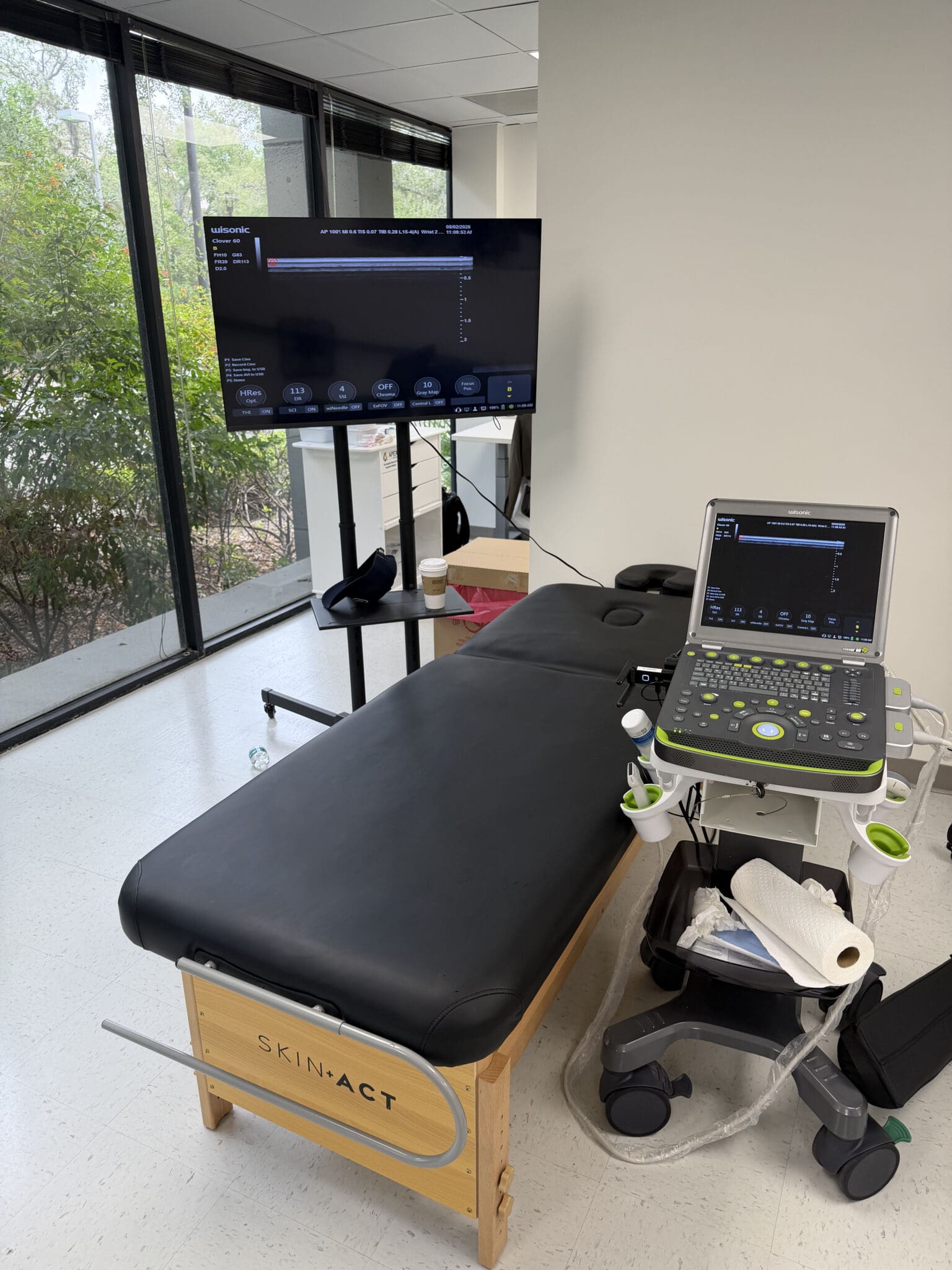
From my clinical perspective, successful outcomes begin with an unwavering focus on patient comfort. When I set up a robotic MLS laser for low back pain or facet-related stiffness at L4–L5, I prioritize stable positioning and direct skin contact. That means:
- Ensuring the patient is relaxed and still, especially during unattended robotic delivery.
- Maintaining direct-to-skin contact for handpiece treatments and a precise standoff distance for robot delivery using a focal-point ruler.
- Confirming comfort before activation; if sensitivity arises, I reframe it: “You’re an overachiever—your nerves are simply very responsive,” and I adjust as needed.
Why this matters physiologically:
- Stable positioning reduces motion artifacts that can shift the treatment zone away from the pain generators and supporting fascia.
- Direct skin contact enhances photon transmission, limiting reflection and scatter, especially across curved anatomy (e.g., lumbar paraspinals and facet joints).
In low back cases, I often position the patient prone and align the robotic laser over the target region. When patients note right-sided radiation or stiffness, I center the field and expand the X–Y treatment perimeter to include perilesional fascia and segmental paraspinals. This enables a multimodal field approach that addresses local pathology and contributors from the surrounding connective tissue.
Robotic Versus Handpiece Delivery: Precision, Coverage, and Dynamic Care
MLS systems commonly offer both a robotic head and a contact handpiece. I select based on tissue goals:
- Robotic head:
-
- Three diodes delivering synchronized dual wavelengths with a calibrated focal distance (often around 6 inches).
- Ideal for unattended, uniform coverage across larger fields or when skin contact is not desired (post-operative areas, neuropathic skin sensitivity).
- Software automatically recalibrates time in response to changes in the X–Y area to maintain the target energy density.
- Contact handpiece:
-
- Single diode applied directly to the skin for focal targets such as trigger points, facet capsules, or entheses.
- Useful during dynamic maneuvers—e.g., asking a patient to gently contract or move while we treat to engage neuromuscular pathways.
Why this matters clinically:
- The robotic device’s constant standoff distance ensures consistent fluence across curved surfaces.
- Contact application leverages mechanotransductive coupling: by recruiting the local motor unit during treatment, we expose reactive nociceptive and myofascial bands (“cooked meat” analogy for taut myofascial knots) and normalize neuromyofascial tone.
Dosing by Energy Density: Targeting 4–10 J/cm² for Therapeutic Precision
In practice and in the literature, I calibrate dose in terms of energy density (J/cm²)—not just total joules. This aligns with consensus statements from leading authorities, such as the World Association for Laser Therapy (WALT), which emphasize dose per area as the key determinant of tissue response (WALT, 2023).
- Typical musculoskeletal targets: 4–10 J/cm² based on condition acuity and tissue depth.
- Example: For lumbar facet pain, I often set around 6 J/cm² over a triangulated field, expanding the X–Y sector to capture segmental paraspinals and adjacent fascia.
- The device automatically calculates total joules from area and density; changes in X–Y dimensions recalibrate the treatment time to preserve the dose.
Why energy density (J/cm²) instead of total joules:
- Tissue response follows the Arndt-Schulz law: low doses may be ineffective; excessively high doses risk bioinhibition.
- Energy must be evenly distributed across the target area to avoid regional underdosing or overdosing, both of which can blunt clinical benefit.
Practical tip: If a patient needs “more” treatment time, I avoid saturating a single focal area and instead treat complementary planes (anterior-posterior or medial-lateral) to distribute energy throughout the entire joint complex and its associated fascia.
Thermal Neutrality, Pulse Engineering, and the Physiology of Absorption
A hallmark of MLS therapy is high peak power delivered with short pulse durations, combining dual wavelengths (commonly 808 nm and 905 nm). Clinically, patients usually do not feel heat; at most, they may perceive mild warmth or tingling.
Physiologic rationale:
- High-peak, short-pulse delivery pushes energy deeper without overheating surface tissues.
- Synchronized pulsing of continuous near-infrared (e.g., 808 nm) and superpulsed (e.g., 905 nm) promotes photobiomodulation while allowing rest intervals for photon absorption and thermal dissipation.
- When tissue temperature remains constant over time, dosing is appropriate; surface heat indicates an incorrect wavelength selection or excess energy beyond the tissue’s absorptive capacity.
This pulsed strategy is designed to optimize mitochondrial activation, cytochrome c oxidase signaling, reactive oxygen species (ROS) balance, and downstream transcriptional changes (e.g., upregulation of growth factors) without inducing thermal injury (Clijsen et al., 2017; Hamblin, 2016).
Integrative Chiropractic Care: Manual, Movement, and Fascial Sequencing
Laser therapy is most effective when integrated into a multimodal, chiropractic-centered plan:
- Manual adjustments for segmental dysfunction:
-
- Gentle mobilizations for facet hypomobility at L4–L5 reduce nociceptive drive and normalize joint mechanics.
- Laser therapy downregulates inflammatory mediators and pain, permitting lower-force mobilization in sensitive patients.
- Fascial interventions:
-
- Instrument-assisted soft tissue, myofascial release, and targeted laser to taut bands decompress trigger points and restore sliding surfaces across the thoracolumbar fascia.
- Motor control retraining:
-
- Diaphragmatic breathing, pelvic tilt drills, and anti-rotation patterns integrate spinal stability beyond pain relief.
- Laser therapy helps modulate pain, facilitating neuroplasticity and motor learning without flare-ups.
Clinical observations from my practice emphasize faster transitions from pain-limited guarding to high-quality movement when a laser is added to an adjustment-and-exercise sequence. Readers can explore case-based insights from my ongoing work and updates shared on PushAsRx and in the LinkedIn profiles noted below.
Acute Versus Chronic Timeline: Cumulative Effects and Package Planning
Laser therapy’s benefits are cumulative. A structured schedule achieves both immediate and sustained responses:
- Acute musculoskeletal conditions: Aim for six treatments rapidly, often over 12 business days, with at least 24 hours between sessions. Early analgesia may appear within the first 4–6 hours after a session; a meaningful change often appears after 3–4 sessions.
- Chronic conditions: Plan 12 treatments with consistent spacing (e.g., Monday–Wednesday–Friday cadence). Avoid stopping early when pain improves; complete the full course to consolidate gains.
Why this schedule:
- Early sessions emphasize nociceptive modulation, vasomotor changes, and immune recalibration.
- Later sessions consolidate mitochondrial biogenesis, ATP production, and matrix remodeling for durable improvements (Bjordal et al., 2006; Chow et al., 2009).
Orthobiologics Integration: PRP Priming, Day-of-Injection Support, and Post-Injection Sequencing
When combining MLS laser therapy with platelet-rich plasma (PRP) or other orthobiologics, I follow a staged approach:
- Pre-injection priming (2–3 sessions):
-
- Goal: “Prep the soil.” Improve local perfusion, modulate inflammatory tone, and optimize cellular redox state.
- These sessions can favor settings that enhance microcirculation, reduce baseline edema, and prime mitochondrial responsiveness.
- Day-of-injection support (1 session):
-
- Goal: Assist cell signaling and microenvironment readiness without blunting the intended pro-inflammatory cascade intrinsic to PRP’s mechanism.
- Done at parameters tuned to support cellular crosstalk and local bioenergetic readiness.
- Post-injection consolidation (≈6 sessions):
-
- Goal: Support tissue remodeling, angiogenesis, collagen maturation, and functional reintegration.
- Treatments are spaced to respect PRP’s 7–10-day initial inflammatory phase while enhancing graded recovery, pain modulation, and reintroduction of motor control.
Clinical and research signals suggest 15–20 points greater efficacy with MLS laser layered on PRP versus PRP alone, reflecting synergistic effects in pain reduction and functional outcomes when dosed correctly. This integrates well with chiropractic care’s emphasis on biomechanics and functional restoration (Pribac et al., 2023; Tumilty et al., 2010).
Knee Osteoarthritis Strategy: Planar Coverage and Joint Positioning
Knee OA requires nuanced geometry:
- Avoid anterior-only delivery across the patella to limit reflection losses.
- Treat the anterior with flexion to open joint spaces, then include the posterior compartments and medial/lateral lines based on symptom distribution.
- Dose each compartment by energy density (e.g., 6–8 J/cm²) rather than simply adding up total joules.
- Expand X–Y fields to include pericapsular fascia and relevant tendinous insertions (e.g., pes anserine in medial compartment presentations).
Clinical reasoning:
- OA pain often relates to synovitis, subchondral bone load, and periarticular soft tissue
- Distributing energy across compartments addresses global joint drivers and fascia-mediated nociception while respecting absorptive limits.
Laser will not reverse “bone-on-bone,” but it can substantially reduce pain and inflammation, enabling better tolerance of chiropractic adjuncts, exercise, and weight management—key determinants of function.
Trigger Point Mapping and Myofascial Taut Bands
In the low back and gluteal complex, I palpate for taut bands and treat with the contact handpiece:
- Twenty-five-second focal passes across mapped points during an active robotic session can decompress segmental pain generators.
- The “cooked meat” metaphor refers to palpably firm nodules in otherwise pliant “raw” muscle; laser therapy helps normalize sarcomere tone and reduce local ischemia, thereby improving oxygenation and clearing algogenic chemicals.
Physiology:
- Photobiomodulation reduces substance P, calcitonin gene-related peptide (CGRP), and local inflammatory mediators, while upregulating nitric oxide and improving microcirculation (Hennessy & Hamblin, 2017).
Bone Healing: Early-Phase Considerations and Labeling
While many laser protocols focus on soft tissue, clinicians have reported benefits for bone healing when initiated within 7–10 days of fracture. This remains variable and often off-label depending on jurisdiction, but when applied early:
- Potential mechanisms:
-
- Osteoblastic activity signaling, angiogenesis support, and modulation of the inflammatory phase may contribute to faster radiographic consolidation in some cases (Fukuda et al., 2013).
- Limitations:
-
- Non-union cases are less responsive, and treatment is not a replacement for surgical indications or orthopedic fixation.
I recommend consultation with orthopedic colleagues and adherence to local regulatory guidance.
Exploring Integrative Medicine- Video
Safety, Durability, and On-Site Support
In my experience, modern MLS lasers are robust. Systems are shipped in protective crates, and installers provide comprehensive training. Field service networks perform on-site repairs to avoid the risks of shipping. Maintenance is minimal with normal clinical use, and I emphasize:
- Routine checks of focal distance and software calibration.
- Skin assessment for sensitivity; adjust dose if necessary.
- Ensuring device temperature remains stable during operation, reflecting the appropriate pulse configuration.
Mitochondrial Optimization: From Photobiomodulation to Metabolic Support
Laser’s acute analgesia and chronic tissue support connect to mitochondrial biology:
- Immediate effects: Nociceptive modulation via small myelinated fibers and improved microcirculation.
- Subacute effects: Immune and inflammatory modulation through cytokine balancing, ROS signaling, and endothelial support.
- Chronic effects: Enhanced ATP production, mitochondrial biogenesis, and transcriptional remodeling supporting tissue repair and motor re-education (Hamblin, 2016; de Freitas & Hamblin, 2016).
Integrative optimization:
- Consider creatine for phosphate donation, coenzyme Q10 for electron transport support, NAD+ precursors for redox balance, and targeted nutrition to counter medication-induced mitochondrial stress (e.g., certain statin regimens).
- Coordinate with the patient’s medical team to individualize metabolic strategies without interfering with therapeutic inflammatory phases (especially post-PRP).
In my practice, a 6–8-week prehabilitation program incorporating movement hygiene, sleep, nutrition, and laser preconditioning fosters mitochondrial resilience and improves outcomes with PRP or shockwave.
Avoiding Bioinhibition and Managing Sensitive Patients
Overdosing a single focal area risks bioinhibition. I prevent this by:
- Keeping energy density within recommended ranges (4–10 J/cm²) and distributing exposure across multiple planes.
- Monitoring tissue responses; if a patient perceives excess warmth, I verify wavelengths, pulse parameters, and focal distance.
- Using shorter spots and cycling regions in sensitive individuals to match absorptive capacity.
Workflow and Protocol Packages: Consistency Drives Results
Patient adherence shapes outcomes. I recommend packaging treatments:
- Acute low back pain: Six-session package completed over approximately 12 business days with 24-hour spacing.
- Chronic low back pain or OA: Twelve-session package with cadence-based scheduling.
- Orthobiologics: Two to three pre-injection sessions, one day-of-injection session, and six post-injection consolidation sessions.
Patients often report improved comfort by the late afternoon after a morning session. For example, if treatment occurs at 11:00 am on 2026-05-02, I ask patients to reassess their usual motions around 5:00 pm on 2026-05-02 to calibrate perceived changes.
Integrating Shockwave and MLS Laser
In clinics where shockwave therapy is used, I combine modalities thoughtfully:
- Shockwave for mechanotransduction, neovascularization, and collagen remodeling.
- Laser for pain modulation, inflammation control, and mitochondrial activation, facilitating tolerance and recovery.
- Sequence: Either laser pre-treatment to decrease nociceptive tone before shockwave or post-shockwave laser to calm reactive inflammation.
This pairing complements chiropractic adjustments, enabling patients to move efficiently without guarding.
Evidence-Based Rationale and Modern Methods
The physiologic underpinnings of MLS laser therapy have matured through controlled studies and consensus statements:
- Photobiomodulation modulates intracellular signaling (e.g., CCO activation), influences ROS as second messengers, and triggers transcriptional programs linked to tissue repair and angiogenesis (Hamblin, 2016; de Freitas & Hamblin, 2016).
- Clinical meta-analyses show benefit in pain, range of motion, and function when dosing is appropriate (Chow et al., 2009; Clijsen et al., 2017).
- Orthobiologics paired with laser leverage complementary mechanisms—PRP’s growth factor wave and the laser’s microenvironment optimization—to elevate outcomes in select cohorts (Pribac et al., 2023).
Clinical Observations from Dr. Jimenez: Real-World Application
I routinely document cases where integrating the MLS laser with manual therapy, fascial sequencing, and motor control retraining yields:
- Faster off-ramping of pain-driven guarding.
- Better tolerance of closed-chain exercises for the low back and knee.
- Greater adherence to rehab plans due to early analgesia and functional wins.
I share ongoing thoughts, case summaries, and clinical pearls via my practice platforms:
- pushasrx.com
- linkedin.com/in/dralexjimenez/
These resources provide up-to-date insights into combining laser therapy, chiropractic care, orthobiologics, metabolic support, and behavioral changes for comprehensive musculoskeletal management.
Putting It All Together: A Practical, Patient-Focused Protocol
For a patient like “John” reporting low back facet pain at L4–L5 with right-sided stiffness:
- Position prone, confirm comfort, and expose skin for laser contact where appropriate.
- Use the robotic head to cover the primary region and adjacent fascia with ≈6 J/cm², adjusting X–Y to encompass paraspinals.
- Apply the contact handpiece to palpated trigger points with brief focal passes during the robotic session.
- Establish a six-session acute or twelve-session chronic package with 24-hour spacing.
- Layer integrative chiropractic care: adjustments, fascial release, and motor control drills as pain decreases.
- If PRP is planned: two to three priming sessions prior, one day-of session, and six post-injection treatments with movement integration.
- Optimize metabolic support judiciously (creatine, CoQ10, NAD+ precursors) in collaboration with the patient’s medical team.
This strategy respects the biology of pain, the physics of laser dosing, and the behavioral realities of rehab, enabling durable improvements.
References
- Photobiomodulation for the treatment of pain: mechanisms, efficacy and clinical applications (Chow, R. T., Johnson, M. I., Lopes-Martins, R. A. B., & Bjordal, J. M., 2009).
- Low-level laser therapy for chronic non-specific low back pain: a systematic review (Clijsen, R., Brunner, A., Barbero, M., & Clijsen, M., 2017).
- Photobiomodulation and the cellular response: acceleration of tissue repair and regeneration (de Freitas, L. F., & Hamblin, M. R., 2016).
- Mechanisms and applications of photobiomodulation in musculoskeletal pain (Hamblin, M. R., 2016).
- Effect of low-level laser therapy on bone healing: a systematic review (Fukuda, T. Y., Tanji, M. M., & et al., 2013).
- World Association for Laser Therapy (WALT) recommendation statements (WALT, 2023).
- Laser therapy as an adjunct to platelet-rich plasma in musculoskeletal rehabilitation (Pribac, G. et al., 2023).
- Low-level laser therapy for tendinopathy: a systematic review with meta-analysis (Tumilty, S., Munn, J., McDonough, S., et al., 2010).
- The biological effects of photobiomodulation: mitochondrial mechanisms and clinical relevance (Hennessy, M., & Hamblin, M. R., 2017).
APA-7 in-text citations are provided above; the linked titles serve as the hyperlinked references.
SEO Tags
MLS laser therapy, low back pain, facet syndrome, photobiomodulation, energy density, chiropractic care, PRP integration, orthobiologics, mitochondrial optimization, shockwave therapy, knee osteoarthritis, trigger points, Arndt-Schulz law, dual wavelength laser, robotic laser, pain modulation, inflammation reduction, clinical protocols, Dr. Alexander Jimenez, DC, APRN, FNP-BC
Post Disclaimer *
Professional Scope of Practice *
The information herein on "Therapeutic Approaches Using Photobiomodulation Effectively" is not intended to replace a one-on-one relationship with a qualified health care professional or licensed physician and is not medical advice. We encourage you to make healthcare decisions based on your research and partnership with a qualified healthcare professional.
Blog Information & Scope Discussions
Welcome to El Paso's Premier Fitness, Injury Care Clinic & Wellness Blog, where Dr. Alex Jimenez, DC, FNP-C, a Multi-State board-certified Family Practice Nurse Practitioner (FNP-BC) and Chiropractor (DC), presents insights on how our multidisciplinary team is dedicated to holistic healing and personalized care. Our practice aligns with evidence-based treatment protocols inspired by integrative medicine principles, similar to those found on this site and our family practice-based chiromed.com site, focusing on restoring health naturally for patients of all ages.
Our areas of multidisciplinary practice include Wellness & Nutrition, Chronic Pain, Personal Injury, Auto Accident Care, Work Injuries, Back Injury, Low Back Pain, Neck Pain, Migraine Headaches, Sports Injuries, Severe Sciatica, Scoliosis, Complex Herniated Discs, Fibromyalgia, Chronic Pain, Complex Injuries, Stress Management, Functional Medicine Treatments, and in-scope care protocols.
Our information scope is multidisciplinary, focusing on musculoskeletal and physical medicine, wellness, contributing etiological viscerosomatic disturbances within clinical presentations, associated somato-visceral reflex clinical dynamics, subluxation complexes, sensitive health issues, and functional medicine articles, topics, and discussions.
We provide and present clinical collaboration with specialists from various disciplines. Each specialist is governed by their professional scope of practice and their jurisdiction of licensure. We use functional health & wellness protocols to treat and support care for musculoskeletal injuries or disorders.
Our videos, posts, topics, and insights address clinical matters and issues that are directly or indirectly related to our clinical scope of practice.
Our office has made a reasonable effort to provide supportive citations and has identified relevant research studies that support our posts. We provide copies of supporting research studies upon request to regulatory boards and the public.
We understand that we cover matters that require an additional explanation of how they may assist in a particular care plan or treatment protocol; therefore, to discuss the subject matter above further, please feel free to ask Dr. Alex Jimenez, DC, APRN, FNP-BC, or contact us at 915-850-0900.
We are here to help you and your family.
Blessings
Dr. Alex Jimenez DC, MSACP, APRN, FNP-BC*, CCST, IFMCP, CFMP, ATN
email: [email protected]
Multidisciplinary Licensing & Board Certifications:
Licensed as a Doctor of Chiropractic (DC) in Texas & New Mexico*
Texas DC License #: TX5807, Verified: TX5807
New Mexico DC License #: NM-DC2182, Verified: NM-DC2182
Multi-State Advanced Practice Registered Nurse (APRN*) in Texas & Multi-States
Multistate Compact APRN License by Endorsement (42 States)
Texas APRN License #: 1191402, Verified: 1191402 *
Florida APRN License #: 11043890, Verified: APRN11043890 *
Verify Link: Nursys License Verifier
* Prescriptive Authority Authorized
ANCC FNP-BC: Board Certified Nurse Practitioner*
Compact Status: Multi-State License: Authorized to Practice in 40 States*
Graduate with Honors: ICHS: MSN-FNP (Family Nurse Practitioner Program)
Degree Granted. Master's in Family Practice MSN Diploma (Cum Laude)
Dr. Alex Jimenez, DC, APRN, FNP-BC*, CFMP, IFMCP, ATN, CCST
(Board Certified: Family Practice Nurse Practitioner—Multistate)*
(Licensed Nurse Practitioner & Chiropractor - Multistate)*
Clinical Director
Digital Business Card
Dr. Maria Cardenas, MD
(Board Certified: Internal Medicine)
(Licensed Medical Doctor)
Medical Director, Clinical Director & Collaborative Physician
NPI # 1164426748
MD License #: J2933
Licenses and Board Certifications:
MD: Medical Doctor
DC: Doctor of Chiropractic
APRNP: Advanced Practice Registered Nurse
FNP-BC: Family Practice Specialization (Multi-State Board Certified)
RN: Registered Nurse (Multi-State Compact License)
CFMP: Certified Functional Medicine Provider
MSN-FNP: Master of Science in Family Practice Medicine
MSACP: Master of Science in Advanced Clinical Practice
IFMCP: Institute of Functional Medicine
CCST: Certified Chiropractic Spinal Trauma
ATN: Advanced Translational Neutrogenomics
Memberships & Associations:
TCA: Texas Chiropractic Association: Member ID: 104311
AANP: American Association of Nurse Practitioners: Member ID: 2198960
ANA: American Nurse Association: Member ID: 06458222 (District TX01)
TNA: Texas Nurse Association: Member ID: 06458222
NPI: 1205907805
| Primary Taxonomy | Selected Taxonomy | State | License Number |
|---|---|---|---|
| No | 111N00000X - Chiropractor | NM | DC2182 |
| Yes | 111N00000X - Chiropractor | TX | DC5807 |
| Yes | 363LF0000X - Nurse Practitioner - Family | TX | 1191402 |
| Yes | 363LF0000X - Nurse Practitioner - Family | FL | 11043890 |
| Yes | 363LF0000X - Nurse Practitioner - Family | CO | C-APN.0105610-C-NP |
| Yes | 363LF0000X - Nurse Practitioner - Family | NY | N25929 |
Dr. Alex Jimenez, DC, APRN, FNP-BC*, CFMP, IFMCP, ATN, CCST
(Board Certified: Family Practice Nurse Practitioner—Multistate)*
(Licensed Nurse Practitioner & Chiropractor - Multistate)*
Clinical Director
Digital Business Card
Dr. Maria Cardenas, MD
(Board Certified: Internal Medicine)*
(Licensed Medical Doctor)*
Medical Director, Clinical Director & Collaborative Physician
NPI # 1164426748
MD License #: J2933