Advanced Laser Therapy for Musculoskeletal Pain
Abstract
Hello, I’m Dr. Alex Jimenez. As a practitioner with a deep commitment to integrative care, holding credentials as a Doctor of Chiropractic (DC), Advanced Practice Registered Nurse (APRN), and a board-certified Family Nurse Practitioner (FNP-BC), along with certifications in Functional Medicine (CFMP, IFMCP), I am constantly seeking the most effective, evidence-based treatments for my patients. Today, I want to guide you through the fascinating world of advanced laser therapy, specifically Multiwave Locked System (MLS) Laser Therapy. We will explore the science behind how this technology works at a cellular level to reduce pain, control inflammation, and accelerate healing. This educational post will break down the physiological mechanisms, from mitochondrial stimulation to immune modulation, and discuss its practical application in a clinical setting. We will cover treatment protocols, how it integrates with other regenerative therapies like Platelet-Rich Plasma (PRP), and its role within a comprehensive, integrative chiropractic framework to optimize patient outcomes. Join me as we explore the latest findings from leading researchers and see how these evidence-based methods are revolutionizing how we manage musculoskeletal conditions.
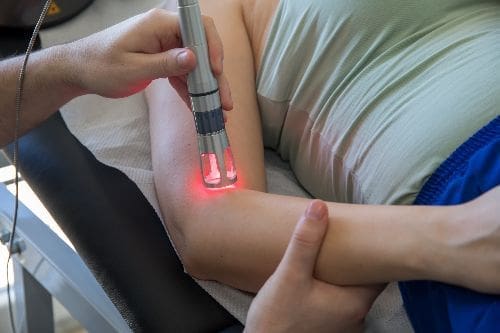
As a clinician with decades of experience, I’ve dedicated my career to finding and integrating the most advanced and effective treatments for my patients. My journey has led me through chiropractic care, functional medicine, and advanced nursing practice, always with the goal of treating the root cause of pain and dysfunction, not just the symptoms. One of the most powerful tools I’ve encountered in this journey is MLS Laser Therapy, a technology that represents a significant leap forward in non-invasive pain management and tissue healing.
In this post, I want to share my clinical insights and the latest research on this therapy. We’ll move beyond a simple overview and delve into the “why” and “how” it works, explaining the sophisticated physiological processes that unfold at the cellular level. We will explore how we, as practitioners, can harness this technology to create profound and lasting healing for our patients.
The Foundation of Effective Treatment: Patient Comfort and Precise Application
When preparing a patient for any procedure, especially an automated treatment such as the robotic MLS laser, patient comfort is paramount. The goal is for the patient to remain still and relaxed throughout the session. Any movement can shift the targeted area, compromising the precision of the laser delivery.
For conditions like low back pain, the setup is quite straightforward. Today, we have a colleague, John, who is experiencing joint pain and stiffness in his lumbar spine, specifically around the L4-L5 facet joints, with some radiating discomfort down his right side.
The first step is positioning. We have John lie face down on the treatment table. It is crucial that the laser is applied directly to the skin, as clothing would block the therapeutic light wavelengths. After ensuring he is comfortable, we can begin setting up the robotic laser.
A Global Approach to Healing: The Clinical Multimodal Strategy
The interface of the MLS laser system is incredibly intuitive. After selecting the body area—in this case, the back—we choose the specific condition we’re addressing: joint pain and stiffness.
A key feature of my protocol is what I call the clinical multimodal approach. This is a more global or holistic strategy. Instead of just targeting the single point of maximum pain, we treat the entire functional unit. This includes the primary site of pathology, the surrounding connective tissues, and the associated musculature. The reasoning is simple: pain and dysfunction are rarely isolated. They exist within a complex web of interconnected tissues. By treating the entire region, we address not only the symptom (pain) but also the contributing factors and disruptions in the “kinetic chain.”
- Centering the Laser: I begin by zeroing the X and Y axes of the robotic arm, setting its initial position.
- Targeting the Epicenter: I then manually guide the laser to the central point of John’s discomfort, which he identified as just medial to his right L4-L5 facet.
- Expanding the Field: From there, I expand the treatment area using the X and Y controls. This creates a larger therapeutic field that covers the entire lower lumbar region, encompassing the facet joints, surrounding ligaments, and erector spinae muscles. This ensures we are not just chasing pain but are promoting a broad healing response.
The robotic arm is lowered to a precise distance from the skin—typically six inches. This distance is critical because the laser beam is collimated (made parallel) to focus its energy optimally at this focal point. We use a provided ruler to ensure accuracy. This specific distance allows the three laser diodes in the robotic head to deliver energy effectively over a wider area.
Dual-Action Therapy: Combining Robotic and Handheld Lasers
One of the significant advantages of the MLS system is the ability to use two different applicators simultaneously. While the robot delivers a broad, automated treatment, I can use a handheld piece to address specific, localized points of high tension or pain.
- The Robotic Head: This contains three laser diodes and is designed to treat a larger area at a distance (the aforementioned six inches). Its power and design allow it to be positioned away from the body, making it ideal for post-surgical sites or areas too sensitive to touch.
- The Handheld Applicator: This has a single diode and is used in direct contact with the skin. It is perfect for targeting very specific structures like trigger points, joint spaces, or nerve roots.
While the robot runs its preprogrammed eight-minute cycle over John’s lower back, I switch to the handheld channel. The system’s software even provides anatomical charts to help locate common trigger points. In John’s case, I’m searching for what a physical therapist once colorfully described to me as the difference between “raw meat” and “cooked meat.” The soft, pliable, healthy muscle is the raw meat. The dense, ropy, and tender nodule of a trigger point is the “cooked meat.” My goal is to identify these knots and apply the laser directly to them.
Applying the laser to these trigger points helps to release the knot of contracted muscle fibers, improve local circulation, and flush out metabolic waste products that contribute to pain. Each trigger point treatment is remarkably fast, often lasting only 25 seconds before the device signals to move to the next spot. This dual approach enables a highly customized, efficient session that addresses both the general area of inflammation and the specific points of dysfunction simultaneously.
Demystifying the Science: Joules, Energy Density, and Wavelengths
A common question patients have is whether they will feel anything. With MLS laser therapy, the answer is typically no. Due to the patented pulse technology that delivers energy in nanosecond-long pulses, very little heat is generated at the skin’s surface. Some highly sensitive individuals might feel a gentle warmth or a slight tingling, but it is never uncomfortable.
The true magic, however, is invisible to the naked eye. If you were to look at the treatment area through a smartphone camera, you would see a distinct triangle of light. This is the 808-nanometer (nm) continuous wavelength, which is visible to the camera’s sensor. This wavelength is excellent for reducing inflammation. The 905-nm super-pulsed wavelength is not visible because its pulses are too fast, but this is the powerhouse wavelength for pain relief and deep tissue penetration.
Understanding Energy Delivery
When discussing laser therapy, there’s often confusion between total joules and energy density (joules/cm²). While many devices focus on the total energy delivered, the most clinically relevant metric is energy density. This measures the concentration of energy delivered to a specific area of tissue.
- The Goldilocks Zone: Research, including guidelines from the World Association for Laser Therapy (WALT), indicates that the optimal therapeutic window for most musculoskeletal conditions is between 4 and 10 joules/cm².
- Targeted Dosage: For John’s condition, the protocol is set to deliver 6 joules/cm². The device’s software is incredibly sophisticated; if I were to increase or decrease the size of the treatment area, it would automatically recalculate the treatment time to ensure this precise energy density is delivered. This removes guesswork and guarantees a therapeutic dose.
The goal is to provide enough energy to stimulate a cellular response without “overcooking” the tissue. The body can only absorb and utilize a certain amount of photonic energy at one time. Exceeding this can lead to a bio-inhibitory effect, as described by the Arndt-Schulz Law, where too much of a stimulus can become suppressive. The MLS system’s precise dosing protocols are designed to keep the treatment squarely in the therapeutic, bio-stimulatory range.
The Cellular Engine: How MLS Laser Therapy Drives Healing
So, what is actually happening inside the body’s cells when the laser is applied? This is where photobiomodulation gets truly exciting. The process is a cascade of events that begins with the mitochondria.
- Mitochondrial Stimulation and ATP Production: The photons of light from the laser are absorbed by chromophores within the cells, primarily a molecule called cytochrome c oxidase in the mitochondria. This absorption excites the molecule, causing it to release nitric oxide (NO), which was inhibiting its oxygen-binding capacity. This “unclogging” allows more oxygen to enter the respiratory chain, dramatically increasing the production of Adenosine Triphosphate (ATP). ATP is the fundamental energy currency of the cell. More ATP means cells have more energy to perform their functions, including repair and regeneration. This is particularly important in a world where many medications, like statins and metformin, can negatively impact mitochondrial function. Laser therapy can help counteract this and optimize cellular energy.
- Inflammatory and Immune Modulation: The laser energy modulates the inflammatory process. In the acute phase, it can augment the necessary inflammatory signals to kickstart healing. In a chronic state, it helps resolve lingering inflammation. It does this by influencing the levels of various cytokines and inflammatory mediators. For example, it can downregulate pro-inflammatory cytokines like TNF-α and IL-1β while promoting anti-inflammatory mediators. This helps transition the tissue from a state of chronic inflammation to one of active resolution and repair.
- Analgesic Effect: The laser provides significant pain relief. This occurs through several mechanisms. On a local level, it can slow the conduction velocity of A-delta and C nerve fibers (small, unmyelinated fibers that transmit pain signals). It also stimulates the release of endogenous opioids, like endorphins and enkephalins, which are the body’s natural painkillers.
- Enhanced Circulation: The release of nitric oxide, stimulated by the laser, is a potent vasodilator. This means it causes blood vessels to widen, increasing blood flow to the treated area. Improved circulation brings more oxygen and nutrients to the damaged tissue and more effectively removes metabolic waste products, creating an optimal environment for healing.
Integrating Laser Therapy with Chiropractic Care and Regenerative Medicine
As an integrative practitioner, I never view a single modality as a “magic bullet.” Its true power is realized when it’s thoughtfully combined with other treatments within a comprehensive care plan.
Chiropractic Care and Laser Therapy
Chiropractic adjustments are exceptional at restoring proper joint mechanics, improving nervous system function, and reducing biomechanical stress. When I combine chiropractic care with MLS laser therapy, the results are synergistic.
- Pre-Adjustment: Using the laser before an adjustment can help relax hypertonic muscles and reduce inflammation around a joint. This makes the joint more receptive to adjustment, allowing for a gentler and more effective correction.
- Post-Adjustment: Applying the laser after an adjustment helps to consolidate the benefits. It reduces any residual soreness, promotes healing in the ligaments and soft tissues that support the newly aligned joint, and helps “lock in” the correction by calming the surrounding tissues. This integrated approach addresses both the mechanical (adjustment) and cellular (laser) aspects of healing.
Laser Therapy and Orthobiologics (PRP)
The combination of MLS laser therapy and orthobiologic treatments such as Platelet-Rich Plasma (PRP) is among the most exciting frontiers in regenerative medicine. PRP involves injecting a concentrated solution of a patient’s own platelets to accelerate healing of injured tendons, ligaments, muscles, and joints. Laser therapy can significantly enhance the outcomes of this procedure.
A highly effective protocol looks like this:
- Priming the Tissue (Pre-Injection): We perform two to three laser sessions in the week leading up to the PRP injection. The goal here is to “prepare the soil.” By reducing inflammation, increasing blood flow, and upregulating cellular metabolism, we create a more receptive, optimized healing environment for incoming platelets and growth factors.
- Day of Injection: A laser session is performed on the same day as the PRP injection to further amplify the cellular response.
- Supporting Regeneration (Post-Injection): We then perform a series of 6 laser treatments. The PRP injection initiates a pro-inflammatory healing cascade. The laser therapy does not suppress this essential phase; rather, it augments and modulates it, helping to guide the process more efficiently. It provides the regenerating cells with the ATP energy they need to carry out the repair work initiated by the PRP. Clinical observations suggest that combining MLS laser with PRP can improve efficacy by 15-20% over PRP alone.
Treatment Protocols and Patient Journey
The effects of MLS laser therapy are cumulative. While a patient might feel some relief after the first session (typically about 4-6 hours later as cellular processes ramp up), a full course of treatment is necessary for lasting results.
- Acute Conditions: Typically require a course of six treatments.
- Chronic Conditions: Often require a more extended course of 12 treatments.
Ideally, these treatments are administered frequently to build therapeutic momentum. A common schedule is three times a week (e.g., Monday, Wednesday, Friday). It is crucial that patients complete the entire recommended course. Feeling better after three or four sessions is a great sign, but stopping early is like stopping an antibiotic course prematurely; it can prevent a full resolution and lead to a relapse.
By taking patients on this structured journey, we guide their bodies through deep cellular healing, addressing the root physiological imbalances that cause pain and dysfunction. This is the essence of modern, evidence-based integrative care.
References
- World Association for Laser Therapy. (n.d.). Dose & Dose Rate. WALT. Retrieved from https://waltpbm.org/dosimetry/dose-dose-rate/
- Chung, H., Dai, T., Sharma, S. K., Huang, Y. Y., Carroll, J. D., & Hamblin, M. R. (2012). The nuts and bolts of low-level laser (light) therapy. Annals of Biomedical Engineering, 40(2), 516–533. https://doi.org/10.1007/s10439-011-0454-7
- Cotler, H. B., Chow, R. T., Hamblin, M. R., & Carroll, J. (2015). The use of low level laser therapy (LLLT) for musculoskeletal pain. MOJ Orthopedics & Rheumatology, 2(5). https://doi.org/10.15406/mojor.2015.02.00068
Post Disclaimer *
Professional Scope of Practice *
The information herein on "Advanced Laser Therapy for Musculoskeletal Pain Treatment" is not intended to replace a one-on-one relationship with a qualified health care professional or licensed physician and is not medical advice. We encourage you to make healthcare decisions based on your research and partnership with a qualified healthcare professional.
Blog Information & Scope Discussions
Welcome to El Paso's Premier Fitness, Injury Care Clinic & Wellness Blog, where Dr. Alex Jimenez, DC, FNP-C, a Multi-State board-certified Family Practice Nurse Practitioner (FNP-BC) and Chiropractor (DC), presents insights on how our multidisciplinary team is dedicated to holistic healing and personalized care. Our practice aligns with evidence-based treatment protocols inspired by integrative medicine principles, similar to those found on this site and our family practice-based chiromed.com site, focusing on restoring health naturally for patients of all ages.
Our areas of multidisciplinary practice include Wellness & Nutrition, Chronic Pain, Personal Injury, Auto Accident Care, Work Injuries, Back Injury, Low Back Pain, Neck Pain, Migraine Headaches, Sports Injuries, Severe Sciatica, Scoliosis, Complex Herniated Discs, Fibromyalgia, Chronic Pain, Complex Injuries, Stress Management, Functional Medicine Treatments, and in-scope care protocols.
Our information scope is multidisciplinary, focusing on musculoskeletal and physical medicine, wellness, contributing etiological viscerosomatic disturbances within clinical presentations, associated somato-visceral reflex clinical dynamics, subluxation complexes, sensitive health issues, and functional medicine articles, topics, and discussions.
We provide and present clinical collaboration with specialists from various disciplines. Each specialist is governed by their professional scope of practice and their jurisdiction of licensure. We use functional health & wellness protocols to treat and support care for musculoskeletal injuries or disorders.
Our videos, posts, topics, and insights address clinical matters and issues that are directly or indirectly related to our clinical scope of practice.
Our office has made a reasonable effort to provide supportive citations and has identified relevant research studies that support our posts. We provide copies of supporting research studies upon request to regulatory boards and the public.
We understand that we cover matters that require an additional explanation of how they may assist in a particular care plan or treatment protocol; therefore, to discuss the subject matter above further, please feel free to ask Dr. Alex Jimenez, DC, APRN, FNP-BC, or contact us at 915-850-0900.
We are here to help you and your family.
Blessings
Dr. Alex Jimenez DC, MSACP, APRN, FNP-BC*, CCST, IFMCP, CFMP, ATN
email: [email protected]
Multidisciplinary Licensing & Board Certifications:
Licensed as a Doctor of Chiropractic (DC) in Texas & New Mexico*
Texas DC License #: TX5807, Verified: TX5807
New Mexico DC License #: NM-DC2182, Verified: NM-DC2182
Multi-State Advanced Practice Registered Nurse (APRN*) in Texas & Multi-States
Multistate Compact APRN License by Endorsement (42 States)
Texas APRN License #: 1191402, Verified: 1191402 *
Florida APRN License #: 11043890, Verified: APRN11043890 *
Verify Link: Nursys License Verifier
* Prescriptive Authority Authorized
ANCC FNP-BC: Board Certified Nurse Practitioner*
Compact Status: Multi-State License: Authorized to Practice in 40 States*
Graduate with Honors: ICHS: MSN-FNP (Family Nurse Practitioner Program)
Degree Granted. Master's in Family Practice MSN Diploma (Cum Laude)
Dr. Alex Jimenez, DC, APRN, FNP-BC*, CFMP, IFMCP, ATN, CCST
(Board Certified: Family Practice Nurse Practitioner—Multistate)*
(Licensed Nurse Practitioner & Chiropractor - Multistate)*
Clinical Director
Digital Business Card
Dr. Maria Cardenas, MD
(Board Certified: Internal Medicine)
(Licensed Medical Doctor)
Medical Director, Clinical Director & Collaborative Physician
NPI # 1164426748
MD License #: J2933
Licenses and Board Certifications:
MD: Medical Doctor
DC: Doctor of Chiropractic
APRNP: Advanced Practice Registered Nurse
FNP-BC: Family Practice Specialization (Multi-State Board Certified)
RN: Registered Nurse (Multi-State Compact License)
CFMP: Certified Functional Medicine Provider
MSN-FNP: Master of Science in Family Practice Medicine
MSACP: Master of Science in Advanced Clinical Practice
IFMCP: Institute of Functional Medicine
CCST: Certified Chiropractic Spinal Trauma
ATN: Advanced Translational Neutrogenomics
Memberships & Associations:
TCA: Texas Chiropractic Association: Member ID: 104311
AANP: American Association of Nurse Practitioners: Member ID: 2198960
ANA: American Nurse Association: Member ID: 06458222 (District TX01)
TNA: Texas Nurse Association: Member ID: 06458222
NPI: 1205907805
| Primary Taxonomy | Selected Taxonomy | State | License Number |
|---|---|---|---|
| No | 111N00000X - Chiropractor | NM | DC2182 |
| Yes | 111N00000X - Chiropractor | TX | DC5807 |
| Yes | 363LF0000X - Nurse Practitioner - Family | TX | 1191402 |
| Yes | 363LF0000X - Nurse Practitioner - Family | FL | 11043890 |
| Yes | 363LF0000X - Nurse Practitioner - Family | CO | C-APN.0105610-C-NP |
| Yes | 363LF0000X - Nurse Practitioner - Family | NY | N25929 |
Dr. Alex Jimenez, DC, APRN, FNP-BC*, CFMP, IFMCP, ATN, CCST
(Board Certified: Family Practice Nurse Practitioner—Multistate)*
(Licensed Nurse Practitioner & Chiropractor - Multistate)*
Clinical Director
Digital Business Card
Dr. Maria Cardenas, MD
(Board Certified: Internal Medicine)*
(Licensed Medical Doctor)*
Medical Director, Clinical Director & Collaborative Physician
NPI # 1164426748
MD License #: J2933