Find solutions for muscle pain through specialized chiropractic care combined with causation and regain your mobility today.
Abstract
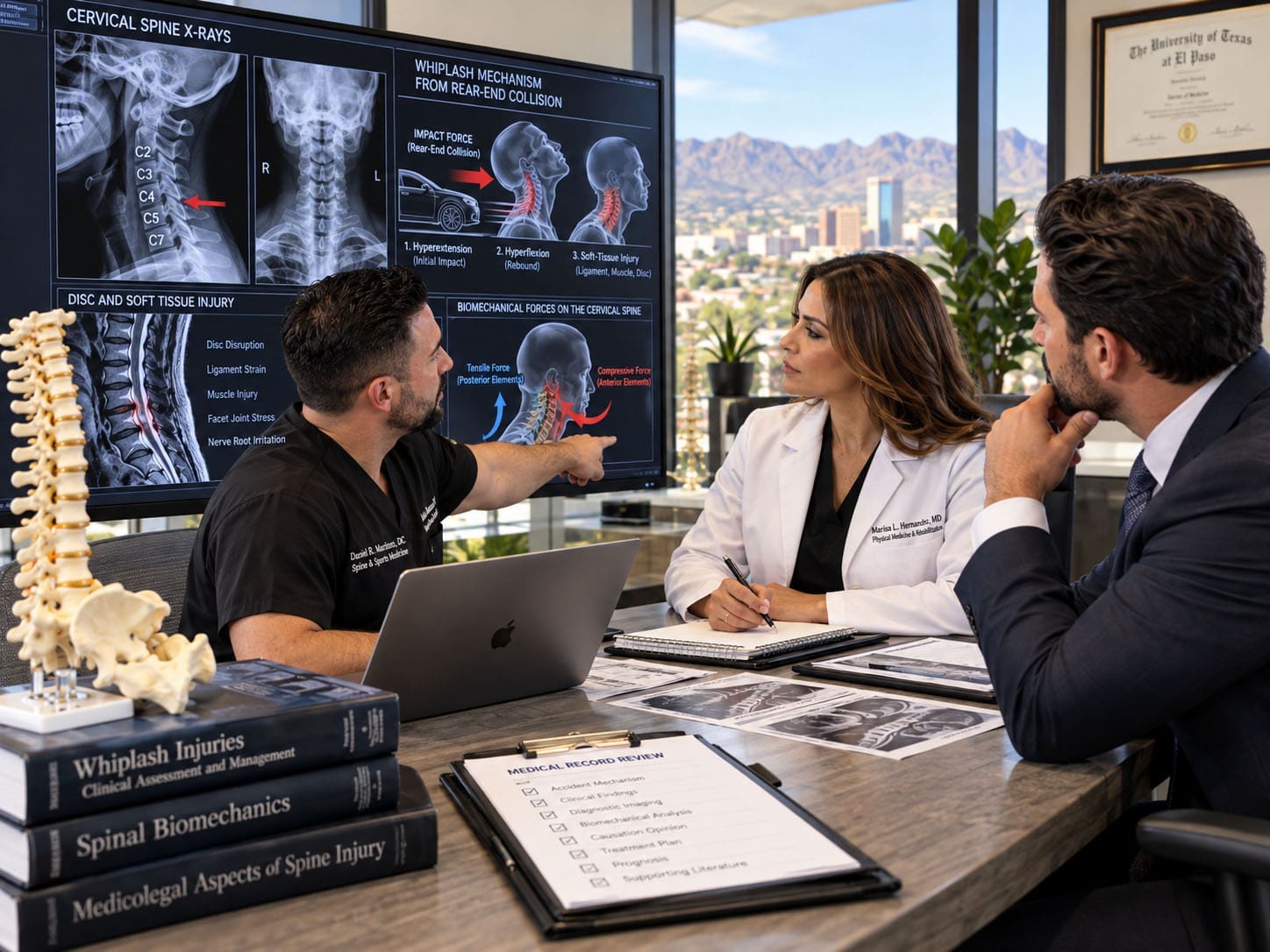
This educational post explores the critical role of causation in personal injury courtroom cases involving muscle pain, explaining what causation means, how legal and medical standards justify it, and why it is essential to successful claims. It explains how chiropractic care works alongside establishing causation, defines chiropractic care as a licensed, evidence-based approach to neuromusculoskeletal disorders, and describes how it reduces muscle pain and related comorbidities through biomechanical restoration, neurophysiological modulation, and support for natural healing processes. The post further explains how chiropractic care provides valuable clinical insight into personal injury patterns, mechanisms of trauma, and recovery trajectories. Written by Dr. Alexander Jimenez, DC, APRN, FNP-BC, CFMP, IFMCP, ATN, CCST, it incorporates the latest findings from leading researchers using modern evidence-based methods, including systematic reviews, randomized trials, and neurophysiological studies. It presents how integrative chiropractic care fits into broader non-surgical treatment frameworks. The post also describes the multidisciplinary collaboration at Injury Medical Clinic PA (also known as Mission Plaza Injury Medical Clinic) in El Paso, Texas, where Dr. Maria Guadalupe Cardenas, MD (Board Certified in Internal Medicine, NPI #1164426749, Texas MD License #J2933), with over 40 years of experience as an internist, serves as Medical Director and Collaborative Physician alongside Dr. Jimenez. This setup integrates chiropractic care with medical oversight, functional medicine, personal injury documentation, rehabilitation, and related services for comprehensive recovery. Clinical observations from Dr. Jimenez’s practice, available through his websites and professional profiles, illustrate how these principles apply in real practice. The narrative guides readers through physiological underpinnings, clinical reasoning, and practical implications in a clear, accessible format.
Understanding Causation in Personal Injury Cases Involving Muscle Pain
Causation forms the essential bridge between a traumatic incident and the resulting injuries in personal injury litigation. Without clear evidence that a specific event caused or substantially contributed to a patient’s muscle pain and associated impairments, claims for compensation, treatment costs, and lost function may be limited or denied. Courts and insurance evaluators require proof that the incident was both the actual cause and the proximate cause of the harm. Actual cause, often evaluated through the “but-for” test, asks whether the injury would have occurred without the incident. Proximate cause, or legal cause, considers whether the harm was a reasonably foreseeable result of the conduct and whether the connection is sufficiently close to justify liability. In medical terms, this is typically expressed as a reasonable degree of medical probability—more likely than not—that the trauma caused or substantially contributed to the diagnosed condition (El Paso Back Clinic, 2026).
In cases involving muscle pain, the connection is not always immediately obvious because soft-tissue injuries frequently involve progressive inflammation, protective muscle guarding, and delayed symptom onset. Symptoms may begin or intensify hours or days after the event as chemical mediators accumulate and central nervous system sensitization develops. Thorough documentation of the mechanism of injury, the timing of symptom onset relative to the incident, objective findings such as restricted range of motion, positive orthopedic tests, muscle spasm, and imaging that correlates with the clinical presentation becomes central evidence. Expert testimony from treating providers, grounded in the patient’s history, examination findings, and response to care, carries significant weight when it meets the legal threshold of reasonable medical probability.
Recent appellate decisions illustrate chiropractic expertise in this process. Michigan appellate courts have ruled that a chiropractor may provide expert opinion on the cause of a condition or disorder of the human musculoskeletal and nervous systems as they relate to subluxations, misalignments, and joint dysfunctions, provided a proper foundation is laid (Michigan Court of Appeals, 2025). Similar rulings in Virginia have affirmed that licensed chiropractors may testify about the etiology, diagnosis, prognosis, and treatment of injuries to the musculoskeletal and related systems. These decisions recognize that chiropractors evaluate and diagnose within their defined scope and can therefore offer opinions on causation limited to that scope.
The Bradford Hill criteria, originally proposed by Sir Austin Bradford Hill in 1965, provide a structured framework for assessing whether an association is likely causal. These include strength of association, consistency across studies or observations, specificity, temporality (the exposure must precede the outcome), biological gradient or dose-response relationship, biological plausibility, coherence with existing knowledge, experimental evidence, and analogy (Hill, 1965). In musculoskeletal personal injury, temporality is especially powerful: symptoms that begin or clearly worsen after a documented collision, with a mechanism consistent with known tissue tolerances, support causation. Objective findings—restricted range of motion, positive orthopedic tests, imaging that correlates with the clinical presentation, and reproducible measurements indicating altered motion-segment integrity—distinguish legitimate injury from subjective complaints alone.
When pre-existing conditions are present, the law generally recognizes that an incident can aggravate or accelerate those conditions, rendering the aggravation compensable. Documentation must establish the patient’s baseline status before the incident and show a clear temporal correlation between the incident and new or worsened symptoms and functional loss. Clinical observations at Injury Medical Clinic PA emphasize that complete recovery narratives often begin with precise mechanism documentation and progressive, response-adjusted treatment plans. For example, patients involved in low-speed rear-end collisions frequently report delayed onset of neck and back muscle pain peaking within one to three days, accompanied by restricted cervical rotation and lumbar flexion. Early restoration of motion, combined with soft-tissue techniques and graded activity, consistently yields better sleep, fewer secondary pains, and a faster return to function than passive rest alone, aligning with the natural history of soft-tissue healing while generating contemporaneous records that support the causal link.
How Causation Is Justified Through Legal Standards and Medical Evidence
Causation rests on both legal doctrine and clinical evidence. Legally, the plaintiff must show that the defendant’s negligence was a substantial factor in producing the injury. Medically, the treating clinician constructs a coherent narrative linking mechanism, timing, objective findings, and treatment response. The American Medical Association’s Guides to the Evaluation of Permanent Impairment, Sixth Edition, and related methodologies adapted from the Bradford Hill criteria outline practical steps: confirmation that a causal event took place, that the patient has the condition in question, that the event could cause the condition, and that the event did cause or materially contribute to the condition within medical probability.
In practice, this justification appears in the medical record through several interlocking elements. First, the history captures the patient’s account of the incident in their own words, including vehicle position, restraints, impact direction, and immediate sensations. Second, the initial examination records baseline findings—range of motion measured by goniometry, muscle strength grading, orthopedic test results, and postural observations—and correlates them with the reported mechanism. Third, serial visits document progressive changes: decreasing pain scores, increasing motion and strength, and resolution of secondary symptoms such as headache or sleep disruption. When improvement follows a pattern consistent with the expected phases of soft-tissue healing (inflammatory, proliferative, and remodeling), the record strengthens the inference that the incident initiated the cascade.
Courts have recognized that delayed symptom onset is common in soft-tissue injuries and does not, by itself, defeat causation. Progressive inflammation and muscle guarding explain why patients may leave the scene of a collision feeling relatively intact only to experience marked stiffness and pain the following morning or within 24 to 72 hours. Documentation that distinguishes new findings from any pre-existing complaints, notes the absence of similar symptoms in the preceding year, and tracks the temporal relationship remains decisive. When alternative explanations—such as a spontaneous degenerative flare or intervening trauma—are less probable given the history and findings, the causal attribution gains support.
Why Causation Is Required in Personal Injury Courtroom Cases Involving Muscle Pain
Causation is required because personal injury claims rest on the principle that the responsible party must compensate for harms that would not have occurred, or would have been substantially less severe, but for the negligent act. Without this link, courts cannot award damages for medical expenses, lost wages, pain and suffering, and future impairment. In muscle pain cases, the requirement is especially stringent because symptoms are often subjective, imaging may show only soft-tissue swelling or no acute fracture, and pre-existing degenerative changes are common. Objective, contemporaneous records that demonstrate temporal correlation, biomechanical plausibility, and treatment response become the primary means of distinguishing trauma-related injury from unrelated or spontaneous conditions.
Insurance evaluators and opposing experts frequently challenge claims by arguing that symptoms reflect pre-existing disease, secondary gain, or normal age-related change. Robust documentation counters these arguments by showing that the patient was asymptomatic or minimally symptomatic before the incident, that symptoms began or markedly worsened immediately or within the expected window afterward, and that objective measures improved with care directed at the trauma-related impairments. Clinical observations from Dr. Jimenez’s practice illustrate that patients who receive early, detailed documentation and progressive care often achieve substantial functional recovery while generating the evidence needed for fair resolution of their claims. In one representative case, a laborer with neck and low-back injuries after a workplace incident recovered about 80 percent of function over 19 weeks of integrated care; when a second incident occurred, re-evaluation clearly distinguished the new findings from residual deficits, supporting separate causal attribution.
What Chiropractic Care Is and How It Functions in Personal Injury Contexts
Chiropractic care is a licensed healthcare profession focused on diagnosing and treating neuromusculoskeletal disorders, particularly those involving the spine and extremities. Doctors of Chiropractic assess joint dysfunction, soft-tissue injury, and related impairments using history, physical examination, orthopedic and neurological testing, and, when indicated, imaging. Treatment commonly includes spinal and extremity adjustments or mobilizations, rehabilitative exercise, soft-tissue techniques, patient education, and lifestyle guidance. The goal is to restore motion, reduce abnormal mechanical stress and nervous-system input, modulate pain, and support the body’s natural healing processes without primary reliance on surgery or long-term pharmaceutical management.
Evidence-based chiropractic practice emphasizes biomechanics and neurophysiology. High-velocity, low-amplitude spinal manipulation produces a brief, high-frequency burst of discharge from muscle-spindle primary afferents and other dynamically sensitive receptors. Animal and human studies demonstrate that this afferent volley can reduce the excitability of dorsal-horn neurons involved in pain transmission and modulate descending inhibitory pathways originating in the brainstem and higher centers (Pickar, 2002; Gevers-Montoro et al., 2021). Clinical guidelines and systematic reviews support the use of spinal manipulative therapy for acute, subacute, and chronic low-back pain, neck pain, and certain headaches, particularly when combined with exercise and education. A 2026 Cochrane systematic review of 76 randomized trials involving more than 11,000 participants concluded that spinal manipulative therapy may produce small-to-medium improvements in pain and medium-to-large improvements in function compared with sham or no treatment for chronic low-back pain (de Zoete et al., 2026).
In personal injury settings, chiropractic care provides early evaluation that screens for red flags requiring immediate medical attention, establishes baseline findings, and initiates conservative management for graded sprains, strains, and joint dysfunctions. This approach aligns with principles favoring the least invasive intervention that can restore function. Serial documentation generated during care simultaneously supports clinical recovery and the contemporaneous evidence needed for causation analysis.
Physiological Mechanisms by Which Chiropractic Care Reduces Muscle Pain
Trauma-induced joint restriction generates abnormal input from mechanoreceptors and nociceptors, facilitating pain transmission and reflexive muscle guarding. Spinal manipulation interrupts this cycle through several interrelated mechanisms. The mechanical stimulus activates large-diameter afferents that inhibit nociceptive transmission at the dorsal horn via gating mechanisms and can induce long-term depression of hyperexcitable dorsal-horn neurons. At the same time, the afferent barrage modulates descending pathways from the periaqueductal gray and rostroventral medulla, enhancing endogenous pain inhibition. Neuroimaging and electrophysiological studies have shown changes in cortical activity within the default-mode network and reduced amplitude of certain somatosensory-evoked potentials following chiropractic care, consistent with altered central processing of pain and proprioception (Haavik et al., related neuroplasticity research).
Restoring segmental motion improves local circulation, reduces the accumulation of inflammatory mediators, and normalizes muscle-spindle feedback distorted by restricted joint play. Soft-tissue techniques address myofascial trigger points and adhesions that perpetuate local ischemia and referred pain. For disc-related injuries, carefully applied distraction or mobilization can reduce intradiscal pressure, improve nutrient diffusion, and, when paired with stabilization exercise, restore more normal load-sharing among spinal segments. Early motion recovery promotes orderly progression through the healing phases rather than the prolonged inflammation and fibrosis that can follow prolonged immobilization.
A 2025 pragmatic randomized controlled trial published in PLOS One examined the effects of 12 weeks of chiropractic spinal adjustments on physiological biomarkers in adults with subclinical spinal pain. The study found significant between-group differences, including higher blood levels of brain-derived neurotrophic factor (BDNF) and interleukin-6 in the chiropractic group, along with changes in cortisol and tumor necrosis factor-alpha, suggesting enhanced neuroplasticity and regulated inflammatory responses. These findings align with clinical observations that patients receiving regular care often report not only reduced muscle pain but also improved sleep, mood, and overall quality of life—outcomes consistent with modulation of both peripheral and central pain pathways and autonomic balance.
How Chiropractic Care Reduces Comorbidities Associated with Muscle Pain
Muscle pain following trauma rarely remains isolated. Restricted motion leads to compensatory strain in adjacent regions, altered motor patterns, progressive deconditioning, sleep disruption, and central sensitization that amplifies subsequent pain. Secondary symptoms commonly include tension-type or cervicogenic headache, shoulder or hip pain from altered loading, reduced cardiovascular fitness, and mood changes related to persistent pain and sleep loss. Chiropractic care interrupts this cascade by restoring primary motion, reducing abnormal afferent drive, and enabling graded return to activity.
Randomized trials have shown that adding chiropractic care to usual medical management improves low-back pain and disability outcomes, increases patient satisfaction, and reduces medication use (Goertz et al., 2018). Observational studies link chiropractic utilization to lower overall healthcare costs and reduced likelihood of surgery in certain chronic back-pain populations. Systematic reviews support reductions in neck pain and associated headache frequency when spinal manipulative therapy is included in multimodal programs. In injury cases, addressing primary joint and muscle impairments often reduces secondary complaints: restoring cervical motion reduces cervicogenic headache, improved lumbar mechanics decreases compensatory hip and knee strain, and better sleep follows reduced nocturnal pain and autonomic arousal.
Functional medicine elements integrated into care further support comorbidity reduction. Optimization of sleep, vitamin D status, anti-inflammatory nutrition, and stress modulation addresses systemic factors that amplify pain and slow healing. Clinical observations at the El Paso clinic note that patients who combine motion restoration with these supportive strategies often report concurrent improvements in energy, mood, and metabolic markers, consistent with reduced systemic inflammation and improved autonomic regulation.
How Chiropractic Care Provides Insight into Personal Injury
Chiropractic care supplies both clinical recovery and contemporaneous documentation that establishes medical causation. The initial examination captures the patient’s mechanism of injury in their own words. It correlates it with clinical findings—restricted range of motion, positive orthopedic tests, and muscle spasm—meeting the criteria of temporality and biological plausibility. Serial visits create a recovery timeline: decreasing pain scores, increasing motion and strength, and resolution of secondary symptoms. Objective data (goniometry, muscle testing, posture, and functional assessments) compared over time demonstrate improvement consistent with the natural history of trauma-related injury rather than unrelated fluctuation.
Records noting the absence of similar complaints in the year preceding the incident, the precise timing of symptom onset, and progressive objective improvement counter arguments that the symptoms are solely pre-existing. When a second incident occurs, re-evaluation that distinguishes new findings from residual deficits further supports separate causal attribution. Because the treating chiropractor maintains an ongoing relationship with the patient, the records reflect continuity of observation rather than a one-time snapshot, enhancing their weight in both clinical decision-making and legal contexts. Courts have recognized that properly founded testimony from a treating chiropractor about conditions within the scope of practice can help the trier of fact understand the causal relationship.
Integrative Chiropractic Care Within Non-Surgical Treatment Frameworks
Integrative chiropractic care addresses mechanical, neurological, and systemic factors simultaneously. Spinal manipulation or mobilization is combined with targeted rehabilitative exercise, soft-tissue therapy, patient education, and, when appropriate, functional-medicine interventions and regenerative options such as platelet-rich plasma or related orthobiologics under medical oversight. Motion restoration reduces abnormal loading and afferent drive, while progressive loading promotes tissue remodeling and motor-pattern re-education. Functional-medicine evaluation optimizes co-factors—vitamin D, sleep quality, anti-inflammatory nutrition, and metabolic health—that influence healing rates. For disc compression syndromes, decompression techniques lower intradiscal pressure and are paired with core stabilization to restore load-sharing. Acupuncture or related neuromodulatory techniques may further modulate pain pathways.
Plans are adjusted according to injury grade, healing phase, and individual response. Early care emphasizes pain modulation and motion restoration; intermediate phases introduce graded loading and motor control; later phases focus on return to activity and recurrence prevention. Medical oversight ensures that red flags are identified, comorbidities are managed, and advanced interventions are coordinated when indicated. This non-surgical framework prioritizes the least invasive interventions that can restore function while generating the detailed records needed for clinical progress and causation documentation.
The Multidisciplinary Team at Injury Medical Clinic PA and the Role of Dr. Maria Guadalupe Cardenas
At Injury Medical Clinic PA (Mission Plaza Injury Medical Clinic) in El Paso, Texas, the clinic delivers care through a dual-leadership model. Dr. Alexander Jimenez, DC, APRN, FNP-BC, CFMP, IFMCP, ATN, CCST, serves as Clinical Director and provides chiropractic evaluation and treatment, nurse-practitioner-level assessment, functional-medicine consultation, and personal-injury documentation. Dr. Maria Guadalupe Cardenas, MD, Board-Certified in Internal Medicine, NPI #1164426749, and Texas MD License #J2933, with more than 40 years of experience as an internist, serves as Medical Director and Collaborative Physician. This multidisciplinary arrangement is common in integrative and injury-care clinics: the medical doctor provides physician-level oversight for complex cases, manages internal-medicine comorbidities, reviews imaging and laboratory findings, and ensures that protocols remain within appropriate medical standards, while the chiropractor focuses on biomechanical restoration, rehabilitative exercise, and detailed musculoskeletal documentation.
The team integrates chiropractic care with medical oversight, functional medicine, personal-injury case management, rehabilitation, and related services. Dr. Cardenas’s internal-medicine perspective is particularly valuable because many injury patients present with concurrent conditions such as diabetes, hypertension, thyroid disorders, obesity, or sleep apnea that influence healing and pain perception. Collaborative decision-making helps optimize these systemic factors alongside spinal and soft-tissue care. Rehabilitation therapists implement progressive exercise programs, nurses coordinate modalities and patient education, and the combined record system produces coherent documentation of mechanism, findings, treatment response, and functional outcomes. This integrated approach supports both clinical recovery and the evidentiary needs of personal-injury claims while maintaining clear scope-of-practice boundaries.
Clinical Observations from Dr. Alexander Jimenez’s Practice
Clinical observations drawn from more than three decades of practice at Injury Medical Clinic PA and related settings, shared through pushasrx.com, dralexjimenez.com, and professional profiles, consistently highlight several patterns. Complete functional recoveries are most common when the mechanism of injury is documented precisely at the first visit and treatment plans are adjusted according to progressive response. Patients involved in rear-end collisions on local highways such as I-10 frequently present with load-tolerance deficits and functional movement impairments that are not fully captured by initial imaging; early motion restoration and graded activity improve these deficits more reliably than prolonged rest. Delayed symptom onset remains common in low-speed collisions involving rotation, with peak muscle pain and stiffness often occurring one to three days later. Early introduction of soft-tissue techniques, spinal mobilization or manipulation, and carefully progressed activity yields better sleep, fewer secondary complaints, and faster return to work than passive care alone.
Additional observations address overlooked injuries after auto and work accidents, tendinopathies (including gluteus medius and adductor patterns), shoulder and pelvic pain, and deconditioning in both athletes and desk-based workers. Regenerative options such as platelet-rich plasma, platelet-rich fibrin, and related procedures, when coordinated under medical direction, have been associated with improved tissue repair in selected joint and disc injuries. Functional assessments that quantify load tolerance and movement quality provide objective markers useful both for clinical decision-making and for documenting functional work loss. These observations align with the broader literature demonstrating that multimodal care combining spinal therapy, exercise, and supportive strategies reduces pain and disability while generating the contemporaneous records that support causation.
Why Specific Techniques and Protocols Are Selected
Each element of care is chosen for its contribution to interrupting the trauma-related cascade and supporting orderly healing. Adjustments or mobilizations restore segmental motion, reducing abnormal mechanoreceptor and nociceptor input through both biomechanical and neurophysiological pathways; the resulting afferent volley can decrease dorsal-horn excitability and enhance descending inhibition. Decompression or distraction techniques lower intradiscal pressure, improving nutrient diffusion and creating a more favorable environment for annular and nuclear healing, particularly when paired with stabilization exercise that restores coordinated load-sharing. Soft-tissue techniques and myofascial release address trigger points and adhesions that maintain local ischemia and referred pain, while graded exercise promotes collagen remodeling, motor-pattern re-education, and progressive loading tolerance.
Medical and functional-medicine oversight optimizes systemic factors—glycemic control, vitamin D status, sleep architecture, and inflammatory burden—that influence tissue repair rates and central pain processing. Protocols are individualized by injury grade, healing phase, comorbidities, and response; conservative measures continue while progress is evident, with imaging or specialist referral pursued when expected improvement does not occur. This reasoned selection of techniques supports clinical recovery while building the causal narrative required in personal-injury contexts by documenting mechanism, objective baseline, progressive improvement, and functional outcomes.
Conclusion
Causation establishes that an incident more likely than not caused or substantially contributed to a patient’s injuries and their functional consequences. Chiropractic care aids both recovery and the evidentiary foundation of causation by restoring motion, modulating pain pathways, supporting tissue healing, and generating detailed, contemporaneous records of mechanism, findings, and response. When integrated with medical oversight from an internist such as Dr. Maria Guadalupe Cardenas, functional medicine, rehabilitation, and related non-surgical services address primary muscle pain and secondary comorbidities while maintaining clear documentation. Grounded in neurophysiological and biomechanical research and consistent with randomized trials and systematic reviews demonstrating improvements in pain and function, this model offers a coherent pathway from injury to recovery and from clinical observation to legal resolution. Patients and referring providers seeking coordinated care for trauma-related muscle pain can find this integrated framework at Injury Medical Clinic PA in El Paso, Texas.
References
- Hill, A. B. (1965). The environment and disease: Association or causation? Proceedings of the Royal Society of Medicine, 58(5), 295–300. https://www.ncbi.nlm.nih.gov/pmc/articles/PMC1898525/
- Goertz, C. M., Long, C. R., Vining, R. D., Pohlman, K. A., Walter, J., & Colter, I. (2018). Effect of usual medical care plus chiropractic care vs usual medical care alone on pain and disability among US service members with low back pain: A comparative effectiveness clinical trial. JAMA Network Open, 1(1), e180105. https://jamanetwork.com/journals/jamanetworkopen/fullarticle/2680417
- Pickar, J. G. (2002). Neurophysiological effects of spinal manipulation. The Spine Journal, 2(5), 357–371. https://www.sciencedirect.com/science/article/abs/pii/S152994300200400X
- Gevers-Montoro, C., Provencher, B., Descarreaux, M., Ortega de Mues, A., & Piché, M. (2021). Neurophysiological mechanisms of chiropractic spinal manipulation for spine pain. European Journal of Pain, 25(7), 1429–1448. https://onlinelibrary.wiley.com/doi/10.1002/ejp.1773
- de Zoete, A., et al. (2026). Spinal manipulative therapy for chronic low-back pain. Cochrane Database of Systematic Reviews. [Details as summarized in contemporary reviews]
- Michigan Court of Appeals. (2025). Infinity Physical Therapy, LLC v. Meemic Insurance Company. [Published opinion January 30, 2025]
- El Paso Back Clinic. (2026). Causation and chiropractic care: Addressing pain and mobility. https://elpasobackclinic.com/causation-and-chiropractic-care-addressing-pain-and-mobility/
- Additional sources include systematic reviews on manual therapy mechanisms (PLOS One, 2025), neuroplasticity studies (MDPI Brain Sciences, 2024), and clinical observations documented at pushasrx.com and dralexjimenez.com.
SEO Tags
causation personal injury, chiropractic care muscle pain, personal injury courtroom, Dr Alexander Jimenez, Dr Maria Guadalupe Cardenas, Injury Medical Clinic El Paso, integrative chiropractic, non-surgical treatment, Bradford Hill criteria, spinal manipulation mechanisms, muscle pain comorbidities, medical causation documentation, functional medicine injury care, El Paso chiropractor, evidence-based chiropractic, neurophysiological effects manipulation, personal injury documentation, multidisciplinary injury clinic
Post Disclaimer *
General Disclaimer, Licenses and Board Certifications *
Professional Scope of Practice *
The information herein on "Muscle Pain Relief Through Chiropractic Care With Causation" is not intended to replace a one-on-one relationship with a qualified health care professional or licensed physician and is not medical advice. We encourage you to make healthcare decisions based on your research and partnership with a qualified healthcare professional.
Blog Information & Scope Discussions
Welcome to El Paso's Premier Wellness and Injury Care Clinic & Wellness Blog, where Dr. Alex Jimenez, DC, FNP-C, a Multi-State board-certified Family Practice Nurse Practitioner (FNP-BC) and Chiropractor (DC), presents insights on how our multidisciplinary team is dedicated to holistic healing and personalized care. Our practice aligns with evidence-based treatment protocols inspired by integrative medicine principles, similar to those on this site and on our family practice-based chiromed.com site, focusing on naturally restoring health for patients of all ages.
Our areas of multidisciplinary practice include Wellness & Nutrition, Chronic Pain, Personal Injury, Auto Accident Care, Work Injuries, Back Injury, Low Back Pain, Neck Pain, Migraine Headaches, Sports Injuries, Severe Sciatica, Scoliosis, Complex Herniated Discs, Fibromyalgia, Chronic Pain, Complex Injuries, Stress Management, Functional Medicine Treatments, and in-scope care protocols.
Our information scope is multidisciplinary, focusing on musculoskeletal and physical medicine; wellness; contributing etiological viscerosomatic disturbances within clinical presentations; associated somato-visceral reflex clinical dynamics; subluxation complexes; sensitive health issues; and functional medicine articles, topics, and discussions.
We provide and present clinical collaboration with specialists from various disciplines. Each specialist follows their professional scope of practice and licensure jurisdiction. We use functional health & wellness protocols to treat and support care for musculoskeletal injuries or disorders.
Our videos, posts, topics, and insights address clinical matters and issues that directly or indirectly relate to our clinical scope of practice.
Our office has made a reasonable effort to provide supportive citations and has identified relevant research studies that support our posts. We provide copies of supporting research studies upon request to regulatory boards and the public.
For further discussion on how this information relates to specific care plans or treatment protocols, please ask Dr. Alex Jimenez, DC, APRN, FNP-BC, or contact us at 915-850-0900.
We are here to help you and your family.
Blessings
Dr. Alex Jimenez DC, MSACP, APRN, FNP-BC*, CCST, IFMCP, CFMP, ATN
Email: [email protected]
Multidisciplinary Licensing & Board Certifications:
Licensed as a Doctor of Chiropractic (DC) in Texas & New Mexico*
Chiropractic Licenses:
Texas DC License #: TX5807, Verified: TX5807
New Mexico DC License #: NM-DC2182, Verified: NM-DC2182
Nurse Practitioner Licenses:
Texas APRN License #: 1191402, Verified: 1191402 *
New Mexico CNP License #: 90560, Verified 90560
Florida APRN License #: 11043890, Verified: APRN11043890 *
Colorado License #: C-APN.0105610-C-NP, Verified: C-APN.0105610-C-NP
New York License #: N25929, Verified N25929
Georgia APRN License #: GAA-NP005701
Multi-State Advanced Practice Registered Nurse (APRN*) Texas & Multi-States
Multi-state Compact APRN License by Endorsement (43 States)
Compact Status: Multi-State License: Authorized to Practice in 43 States*
Nursing Licensure Compact: Updated Here
DEA Registration: (Drug Enforcement Agency Registered)
All medical (MDs) and family practice providers (FNP-APRN) are registered and licensed to offer various levels of medication.
Verify Providers Here
License Verification Link: Nursys License Verifier
* Prescriptive Authority Authorized (DEA Registered Providers). Call if Required
Board Certification:
ANCC FNP-BC: Board Certified Nurse Practitioner*
Education:
Graduate with Honors: ICHS: MSN-FNP (Family Nurse Practitioner Program)
Degree Granted. Master's in Family Practice, MSN Diploma (Cum Laude)
Dr. Alex Jimenez, DC, APRN, FNP-BC*, CFMP, IFMCP, ATN, CCST
(Board Certified: Family Practice Nurse Practitioner—Multistate)*
(Licensed Nurse Practitioner & Chiropractor - Multistate)*
Clinical Director
DC & FNP License (Review Above)
Digital Business Card
NPI: 1205907805
Dr. Maria Cardenas, MD
(Board Certified: Internal Medicine)
(Licensed Medical Doctor)
Medical Director, Clinical Director & Collaborative Physician
NPI # 1164426748
MD License #: J2933
Licenses and Board Certifications:
MD: Medical Doctor
DC: Doctor of Chiropractic
APRNP: Advanced Practice Registered Nurse
FNP-BC: Family Practice Specialization (Multi-State Board Certified)
FNP-BC: Family Practice Across Life Span (Neonatal to Geriatrics)
RN: Registered Nurse (Multi-State Compact License)
CFMP: Certified Functional Medicine Provider
MSN-FNP: Master of Science in Family Practice Medicine
MSACP: Master of Science in Advanced Clinical Practice
IFMCP: Institute of Functional Medicine
CCST: Certified Chiropractic Spinal Trauma
ATN: Advanced Translational Neutrogenomics
Family with Primary Care Focus (Family Nurse Practitioner or FNP)
- The Family Nurse Practitioner (FNP) promotes, maintains, and restores health for individuals and families across the lifespan. FNPs also identify health risks, promote wellness, and diagnose and manage acute and chronic illness.
- The FNP focuses on comprehensive primary care, promoting healthy lifestyles for patients across the lifespan in settings such as private practice, physician offices, and community health centers.
Memberships & Associations:
TCA: Texas Chiropractic Association: Member ID: 104311
TNA: Texas Nurse Association: Member ID: 06458222
TNP: Texas Nurse Practitioner Association ID: 2025091511
AANP: American Association of Nurse Practitioners: Member ID: 2198960
ANA: American Nurses Association: Member ID: 06458222 (District TX01)
| Primary Taxonomy | Selected Taxonomy | State | License Number |
|---|---|---|---|
| No | 111N00000X - Chiropractor | NM | DC2182 |
| Yes | 111N00000X - Chiropractor | TX | DC5807 |
| Yes | 363LF0000X - Nurse Practitioner - Family | TX | 1191402 |
| Yes | 363LF0000X - Nurse Practitioner - Family | FL | 11043890 |
| Yes | 363LF0000X - Nurse Practitioner - Family | CO | C-APN.0105610-C-NP |
| Yes | 363LF0000X - Nurse Practitioner - Family | NY | N25929 |
| Yes | 363LF0000X - Nurse Practitioner - Family | NM |
90560 |
| Yes | 363LF0000X - Nurse Practitioner - Family | GA | GAA-NP005701 |
Dr. Alex Jimenez, DC, APRN, FNP-BC*, CFMP, IFMCP, ATN, CCST
(Board Certified: Family Practice Nurse Practitioner—Multistate)*
(Primary Care Across Lifespan—Neonatal / Pediatric / Adult / Geriatrics)
(Licensed Nurse Practitioner & Chiropractor - Multistate)*
Clinical Director
Digital Business Card
NPI: 1205907805
Dr. Maria Cardenas, MD
(Board Certified: Internal Medicine)*
(Licensed Medical Doctor)*
Medical Director, Clinical Director & Collaborative Physician
NPI # 1164426748
MD License #: J2933
📆 Schedule Appointment: Schedule 24/7 (Click Here)