Push Strong, Pull Weak? Why Imbalances Show Up in Real Work Before They Show Up in the Gym
Abstract
Many data center technicians, Amazon fulfillment associates, network installers, and recreational lifters can press heavy weights in the gym yet fatigue quickly when they must pull cables, open heavy doors, drag equipment, or control a load toward the body. This article explains why push strength doesn’t automatically equal pulling capacity. It covers shoulder-blade control, mid- and upper-back strength, grip endurance, and trunk stability as occupational skills. Readers get a practical performance model built around rows, carries, controlled pulling, and work-specific loading, plus guidance on when integrative chiropractic and medical care can restore balanced function without unnecessary procedures or long reliance on medication.
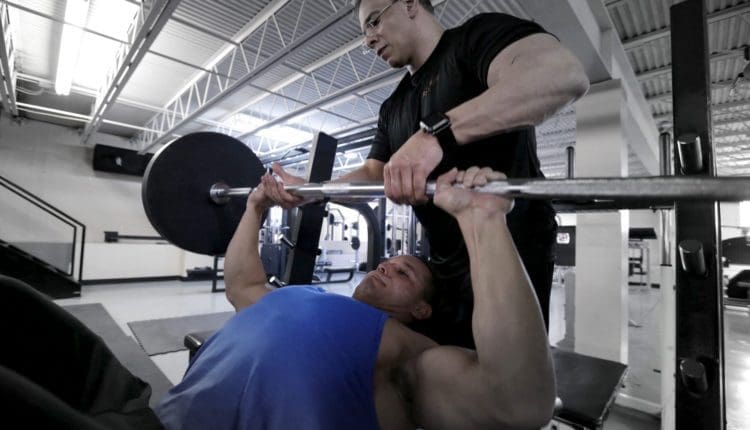
Marcus finishes his bench press set and feels strong. His chest and triceps respond well to the controlled push. Two hours later, he is on a data center floor pulling a bundle of fiber cables from an overhead tray. By the fourth pull, his shoulder blades feel unstable, his grip starts to slip, and his mid-back burns. The same pattern appears for an Amazon associate who can push a loaded cart but struggles when the task shifts to dragging a heavy tote toward the body or opening a stiff door while the cart is moving. These are not rare cases. Pushing and pulling are different skills. Gym strength that favors pressing often fails to prepare the body for the repeated, controlled pulls real work requires (Hoozemans et al., 2002).
Why Push Strength and Pull Capacity Are Not the Same Skill
Pushing moves a load away from the body. The chest, front shoulder, and triceps do most of the work while the shoulder blade stays relatively stable or moves into a mild protraction. Pulling brings a load toward the body or controls it as it moves closer. This action demands active shoulder-blade retraction and downward rotation, strong mid-back muscles, sustained grip, and a stable trunk so force doesn’t leak through the lower back or hips.
Occupational studies show that frequent pushing and pulling raise the risk of shoulder complaints. One large review found strong evidence linking these tasks to upper-extremity symptoms, especially at the shoulder (Hoozemans et al., 2014). Workers who spend much of the day in push-dominant roles can develop strong pressing muscles while the muscles that stabilize and retract the shoulder blade remain undertrained. The result is a body that looks powerful on a bench yet fatigues when the job requires rows, cable pulls, or dragging.
Shoulder-Blade Control: The Missing Link Between Gym and Job
The shoulder blade (scapula) is the foundation for both pushing and pulling. When it stays stable and moves with the arm, the rotator cuff and larger muscles can produce force efficiently. When control is lost, the blade wings, tips forward, or fails to rotate upward and backward. Force production drops, and the shoulder joint takes on more stress (Kibler et al., 2013).
Common signs that shoulder-blade control is the limiter include:
- The blade lifts or wings when you pull a cable or open a heavy door.
- Fatigue appears first in the upper trap or neck rather than the mid-back.
- Grip fades even though the forearm does not feel maximally tired.
- One arm finishes a set of rows while the other side starts to shrug.
Research on scapular dyskinesis notes that these control problems appear in a high percentage of shoulder issues and can reduce the effectiveness of strength work until the blade is addressed (Kibler et al., 2013). For network installers who reach overhead and then pull, or for Amazon workers who push a cart and then pull a tote, the blade must switch roles quickly. Training that only presses rarely builds that switch.
Back Strength, Grip Endurance, and Trunk Stability as Occupational Skills
Pulling capacity depends on three additional pieces that gym pressing often neglects.
Mid- and upper-back strength. The rhomboids, middle and lower trapezius, and rear shoulder muscles must generate and sustain horizontal pulling force. Without them, the arms try to do the job alone, and the blade drifts.
Grip endurance. Many work pulls are limited by the hands long before the back is exhausted. Scapular endurance and grip endurance are linked; better shoulder-blade endurance tends to support longer grip times (studies show moderate positive correlations between the two measures). A technician who can deadlift a heavy bar once may still lose the cable after repeated pulls if they never trained grip endurance.
Trunk stability. Pulling a load toward the body creates a rotational or shear demand on the torso. If the core and hips cannot hold position, the lower back absorbs the force, and the shoulder blade loses its stable platform. Carries and anti-rotation work train this quality in a way that pure pressing does not.
A Performance Model for Real-World Pulling
The goal is not to abandon pressing. It is to add the specific capacities that work and sport demand. A practical weekly model for data center technicians, Amazon associates, network installers, and recreational lifters includes:
- Rows with full scapular motion. Use a chest-supported row or seated cable row. Start with the shoulder blades slightly protracted and finish with a controlled retraction. Keep the neck quiet. Perform 3–4 sets of 8–12 repetitions, focusing on the mid-back rather than just the arm pull.
- Carries. Farmer carries and suitcase carries build grip, trunk stiffness, and load-carrying ability. Hold for 30–45 seconds or walk 20–40 meters. Progress by increasing load or distance before adding speed.
- Controlled pulling. Face pulls, band pull-aparts, and slow eccentric cable pulls train the rear shoulder and blade without heavy spinal loading. Use lighter resistance and higher repetitions (12–20) to build endurance.
- Grip endurance. Timed hangs, plate pinches, or repeated towel pulls. Aim for sets that last 20–40 seconds so the hands adapt to the duration of real cable or tote work.
- Work-specific loading. Once the above patterns are solid, practice the exact task. Pull a cable or drag a sled for short, controlled sets. Match the job’s height and direction. Stop if the blade loses position or the lower back takes over.
Measure progress by how long you can pull before your form breaks, not just how much weight you can move once. Many workers notice that after four to six weeks of consistent row and carry work, the same cable pull that previously burned at minute three now feels manageable at minute six.
When Imbalance Becomes Pain or Limits the Shift
Mild fatigue that resolves with rest is normal. Persistent pain, a shoulder that feels unstable during pulls, or grip that fails even after back-strength work warrants a closer look. Scapular control deficits and strength imbalances can contribute to ongoing shoulder stress (Kibler et al., 2013). At Injury Medical Clinic PA in El Paso, the team evaluates both the mechanical pattern and any underlying recovery factors.
Dr. Alex Jimenez, DC, APRN, FNP-BC, CFMP, IFMCP, brings expertise in both chiropractic and advanced-practice nursing. Structural adjustments and targeted rehabilitation restore shoulder-blade mechanics and trunk control. When recovery is slow, he can coordinate advanced options such as MLS laser, extracorporeal shockwave for stubborn tendons, or supervised peptide and regenerative approaches under collaborative medical oversight. Dr. Maria Guadalupe Cardenas, MD, provides internal-medicine direction, laboratory review, and risk stratification to keep any plan coordinated with existing medical care.
This collaborative model supports beneficence by addressing the root mechanical and recovery limits that keep a worker or athlete from full function. It supports non-maleficence by offering non-invasive, drug-free options that can reduce the chance of progressing to surgery or long-term medication when those steps are not yet necessary. It supports autonomy by giving the patient clear information about the pattern, treatment options, and clinical choices so the patient remains the decision-maker.
Many roles in data centers, fulfillment, and field installation include group insurance that covers integrative evaluation and rehabilitation. Checking coverage early lets workers use the benefits already available through their employer while they rebuild pull capacity.
Putting the Model into Practice
Start with two or three sessions per week. Keep pressing if it is pain-free, but do the row, carry, and controlled-pull work earlier in the session while energy is higher. Film a set of rows or watch the shoulder blade in a mirror. If the blade lifts toward the ear or the lower back arches, reduce the load and reset the position. After two weeks of consistent work, most people notice that door pulls and cable tasks feel less urgent. After four to six weeks, the gap between gym push strength and job pull endurance usually narrows.
If pain appears, one side consistently fails, or progress stalls despite solid training, an evaluation can identify whether scapular control, grip endurance, trunk stability, or another factor is limiting progress. The same team that treats competitive athletes also works with technicians and fulfillment associates who need reliable capacity for the next shift.
Call to Action
If pulling cables, opening heavy doors, or controlling loads toward your body limits your work or training, schedule an evaluation at Injury Medical Clinic PA in El Paso. Dr. Alex Jimenez, DC, APRN, FNP-BC, and the collaborative team with Dr. Maria Guadalupe Cardenas, MD, can assess the mechanical pattern, coordinate any needed recovery support, and help you return to balanced function. Call 915-850-0900 or use the online scheduler. Group insurance often covers these services. You remain the decision-maker; the clinic supplies the evaluation and options.
Sports Injury Rehabilitation | El Paso, TX
References
Hoozemans, M. J. M., van der Beek, A. J., Frings-Dresen, M. H. W., van der Woude, L. H. V., & van Dijk, F. J. H. (2002). Low-back and shoulder complaints among workers with pushing and pulling tasks. Scandinavian Journal of Work, Environment & Health, 28(5), 293–303.
Hoozemans, M. J. M., Knelange, E. B., Frings-Dresen, M. H. W., Veeger, H. E. J., & Kuijer, P. P. F. M. (2014). Are pushing and pulling work-related risk factors for upper extremity symptoms? A systematic review of observational studies. Occupational and Environmental Medicine, 71(11), 788–795.
Kibler, W. B., Ludewig, P. M., McClure, P. W., Michener, L. A., Bak, K., & Sciascia, A. D. (2013). Clinical implications of scapular dyskinesis in shoulder injury: The 2013 consensus statement from the ‘Scapular Summit’. British Journal of Sports Medicine, 47(14), 877–885.
Post Disclaimer *
General Disclaimer, Licenses and Board Certifications *
Professional Scope of Practice *
The information herein on "Push Strong Pull Weak: Importance of Pulling Skills" is not intended to replace a one-on-one relationship with a qualified health care professional or licensed physician and is not medical advice. We encourage you to make healthcare decisions based on your research and partnership with a qualified healthcare professional.
Blog Information & Scope Discussions
Welcome to El Paso's Premier Wellness and Injury Care Clinic & Wellness Blog, where Dr. Alex Jimenez, DC, FNP-C, a Multi-State board-certified Family Practice Nurse Practitioner (FNP-BC) and Chiropractor (DC), presents insights on how our multidisciplinary team is dedicated to holistic healing and personalized care. Our practice aligns with evidence-based treatment protocols inspired by integrative medicine principles, similar to those on this site and on our family practice-based chiromed.com site, focusing on naturally restoring health for patients of all ages.
Our areas of multidisciplinary practice include Wellness & Nutrition, Chronic Pain, Personal Injury, Auto Accident Care, Work Injuries, Back Injury, Low Back Pain, Neck Pain, Migraine Headaches, Sports Injuries, Severe Sciatica, Scoliosis, Complex Herniated Discs, Fibromyalgia, Chronic Pain, Complex Injuries, Stress Management, Functional Medicine Treatments, and in-scope care protocols.
Our information scope is multidisciplinary, focusing on musculoskeletal and physical medicine; wellness; contributing etiological viscerosomatic disturbances within clinical presentations; associated somato-visceral reflex clinical dynamics; subluxation complexes; sensitive health issues; and functional medicine articles, topics, and discussions.
We provide and present clinical collaboration with specialists from various disciplines. Each specialist follows their professional scope of practice and licensure jurisdiction. We use functional health & wellness protocols to treat and support care for musculoskeletal injuries or disorders.
Our videos, posts, topics, and insights address clinical matters and issues that directly or indirectly relate to our clinical scope of practice.
Our office has made a reasonable effort to provide supportive citations and has identified relevant research studies that support our posts. We provide copies of supporting research studies upon request to regulatory boards and the public.
For further discussion on how this information relates to specific care plans or treatment protocols, please ask Dr. Alex Jimenez, DC, APRN, FNP-BC, or contact us at 915-850-0900.
We are here to help you and your family.
Blessings
Dr. Alex Jimenez DC, MSACP, APRN, FNP-BC*, CCST, IFMCP, CFMP, ATN
Email: [email protected]
Multidisciplinary Licensing & Board Certifications:
Licensed as a Doctor of Chiropractic (DC) in Texas & New Mexico*
Chiropractic Licenses:
Texas DC License #: TX5807, Verified: TX5807
New Mexico DC License #: NM-DC2182, Verified: NM-DC2182
Nurse Practitioner Licenses:
Texas APRN License #: 1191402, Verified: 1191402 *
New Mexico CNP License #: 90560, Verified 90560
Florida APRN License #: 11043890, Verified: APRN11043890 *
Colorado License #: C-APN.0105610-C-NP, Verified: C-APN.0105610-C-NP
New York License #: N25929, Verified N25929
Georgia APRN License #: GAA-NP005701
Multi-State Advanced Practice Registered Nurse (APRN*) Texas & Multi-States
Multi-state Compact APRN License by Endorsement (43 States)
Compact Status: Multi-State License: Authorized to Practice in 43 States*
Nursing Licensure Compact: Updated Here
DEA Registration: (Drug Enforcement Agency Registered)
All medical (MDs) and family practice providers (FNP-APRN) are registered and licensed to offer various levels of medication.
Verify Providers Here
License Verification Link: Nursys License Verifier
* Prescriptive Authority Authorized (DEA Registered Providers). Call if Required
Board Certification:
ANCC FNP-BC: Board Certified Nurse Practitioner*
Education:
Graduate with Honors: ICHS: MSN-FNP (Family Nurse Practitioner Program)
Degree Granted. Master's in Family Practice, MSN Diploma (Cum Laude)
Dr. Alex Jimenez, DC, APRN, FNP-BC*, CFMP, IFMCP, ATN, CCST
(Board Certified: Family Practice Nurse Practitioner—Multistate)*
(Licensed Nurse Practitioner & Chiropractor - Multistate)*
Clinical Director
DC & FNP License (Review Above)
Digital Business Card
NPI: 1205907805
Dr. Maria Cardenas, MD
(Board Certified: Internal Medicine)
(Licensed Medical Doctor)
Medical Director, Clinical Director & Collaborative Physician
NPI # 1164426748
MD License #: J2933
Licenses and Board Certifications:
MD: Medical Doctor
DC: Doctor of Chiropractic
APRNP: Advanced Practice Registered Nurse
FNP-BC: Family Practice Specialization (Multi-State Board Certified)
FNP-BC: Family Practice Across Life Span (Neonatal to Geriatrics)
RN: Registered Nurse (Multi-State Compact License)
CFMP: Certified Functional Medicine Provider
MSN-FNP: Master of Science in Family Practice Medicine
MSACP: Master of Science in Advanced Clinical Practice
IFMCP: Institute of Functional Medicine
CCST: Certified Chiropractic Spinal Trauma
ATN: Advanced Translational Neutrogenomics
Family with Primary Care Focus (Family Nurse Practitioner or FNP)
- The Family Nurse Practitioner (FNP) promotes, maintains, and restores health for individuals and families across the lifespan. FNPs also identify health risks, promote wellness, and diagnose and manage acute and chronic illness.
- The FNP focuses on comprehensive primary care, promoting healthy lifestyles for patients across the lifespan in settings such as private practice, physician offices, and community health centers.
Memberships & Associations:
TCA: Texas Chiropractic Association: Member ID: 104311
TNA: Texas Nurse Association: Member ID: 06458222
TNP: Texas Nurse Practitioner Association ID: 2025091511
AANP: American Association of Nurse Practitioners: Member ID: 2198960
ANA: American Nurses Association: Member ID: 06458222 (District TX01)
| Primary Taxonomy | Selected Taxonomy | State | License Number |
|---|---|---|---|
| No | 111N00000X - Chiropractor | NM | DC2182 |
| Yes | 111N00000X - Chiropractor | TX | DC5807 |
| Yes | 363LF0000X - Nurse Practitioner - Family | TX | 1191402 |
| Yes | 363LF0000X - Nurse Practitioner - Family | FL | 11043890 |
| Yes | 363LF0000X - Nurse Practitioner - Family | CO | C-APN.0105610-C-NP |
| Yes | 363LF0000X - Nurse Practitioner - Family | NY | N25929 |
| Yes | 363LF0000X - Nurse Practitioner - Family | NM |
90560 |
| Yes | 363LF0000X - Nurse Practitioner - Family | GA | GAA-NP005701 |
Dr. Alex Jimenez, DC, APRN, FNP-BC*, CFMP, IFMCP, ATN, CCST
(Board Certified: Family Practice Nurse Practitioner—Multistate)*
(Primary Care Across Lifespan—Neonatal / Pediatric / Adult / Geriatrics)
(Licensed Nurse Practitioner & Chiropractor - Multistate)*
Clinical Director
Digital Business Card
NPI: 1205907805
Dr. Maria Cardenas, MD
(Board Certified: Internal Medicine)*
(Licensed Medical Doctor)*
Medical Director, Clinical Director & Collaborative Physician
NPI # 1164426748
MD License #: J2933
📆 Schedule Appointment: Schedule 24/7 (Click Here)