The Ketogenic Diet in 2026: Benefits, Risks, and How to Make It Work for Long-Term Health
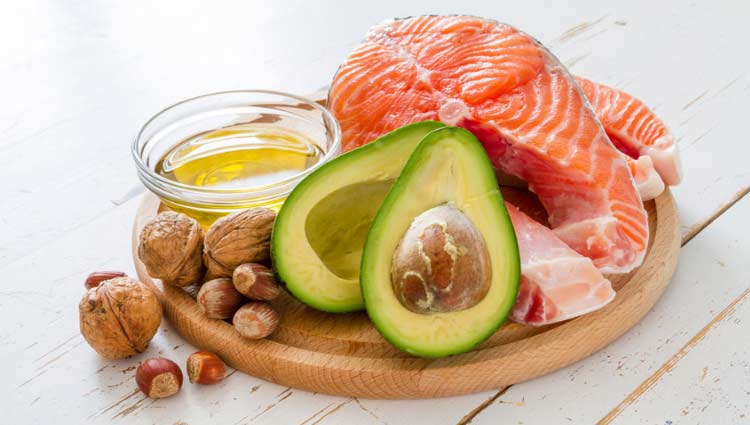
The ketogenic diet, often called keto, remains a big topic in 2026. It started as a way to help with epilepsy back in the 1920s, but now it’s used for many health goals. People follow a ketogenic diet by eating very few carbohydrates, moderate protein, and many fats. This shifts the body into ketosis, where it burns fat for fuel instead of sugar from carbs. In 2026, keto is no longer just a quick fad. It’s considered a tool for managing weight, blood sugar, and even brain health. Studies continue to show its benefits, but experts warn about risks too. This article examines why keto is still useful, what science says, and how to do it safely with help from professionals like nurse practitioners and chiropractors.
Keto’s Key Benefits in 2026
Keto helps with several health issues. One main use is for epilepsy. It reduces seizures in children and adults when medications are ineffective (Franciscan Health, 2024). For example, the story of a boy illustrates how the ketogenic diet stopped his seizures after other treatments failed (Children’s Hospital of Philadelphia, n.d.). Doctors use it because it mimics fasting, which calms the brain.
Another big win is for type 2 diabetes. Keto lowers carbs, which helps control blood sugar and makes insulin work better (Houston Methodist, 2024). It can drop A1C levels, a key measure of blood sugar over time. Some people even cut back on diabetes meds. But it’s not for everyone—talk to a doctor first to avoid low blood sugar risks.
Weight loss is why many try keto. It leads to rapid weight loss by burning fat and reducing hunger (Dr. Bolling, n.d.). Studies show greater short-term weight loss with low-fat diets than with low-carbohydrate diets (Muscogiuri et al., 2022). In 2026, people use it for rapid results, but maintaining the weight off requires smart habits.
Here are some bullet points on keto’s benefits:
- Quick Weight Loss: Lose water and fat fast, often 2–3 kg more than other diets in six months.
- Better Blood Sugar: Improves insulin sensitivity, helping with diabetes and prediabetes.
- Epilepsy Control: Cuts seizures by up to 50% in some cases, especially for hard-to-treat types.
- Energy Boost: Once adapted, many feel steady energy without sugar crashes.
Studies on Mental Health, Brain Function, and Sports
In 2026, research on ketogenic diets is increasing. It’s being tested for mental health issues like depression, bipolar disorder, and schizophrenia. A Stanford study found that people on a ketogenic diet had better mood, sleep, and energy (Stanford Medicine, 2024). Ketones fuel the brain differently, which might fix energy problems in these conditions. Another report from February 2026 links keto to easing depression (WBUR, 2026).
For brain function, ketogenic diets show promise in combating age-related decline. A UC Davis study reports that it increases muscle strength in older adults and protects the brain (UC Davis Health, 2023). It may help with Alzheimer’s or Parkinson’s by reducing inflammation and providing the brain with clean fuel (Simeone et al., 2021).
Athletes are using keto, too. It enhances endurance by teaching the body to burn fat more efficiently (Los Angeles Times, n.d.). However, it’s not ideal for high-intensity sports that require quick carbohydrates. In 2026, pros mix keto with carb days for better results.
Bullet list of new study areas:
- Mental Health: Improves symptoms of bipolar disorder and schizophrenia, with 31% better overall ratings.
- Brain Protection: Slows aging in muscle and brain cells, potentially reducing Alzheimer’s risk.
- Sports Performance: Builds stamina for long workouts, but watch for early fatigue.
- Neuro Diseases: Could help with Parkinson’s by protecting nerves.
Risks and Unknowns, Especially for the Heart
Keto isn’t perfect. The long-term effects on the heart remain unclear. High-fat foods can raise unhealthy cholesterol if you choose the wrong types, like butter (Harvard Health Publishing, 2023). A study warns that prolonged keto builds up old cells in organs such as the heart (UT Health San Antonio, 2024). To stay safe, choose beneficial fats from avocados, nuts, and fish.
Other risks include nutrient gaps from cutting fruits and grains. You may be deficient in fiber, which can lead to constipation, or in vitamins such as C and B (Northwestern Medicine, n.d.). “Keto flu” hits early with headaches and tiredness. In diabetes, it can cause hypoglycemia or rare acidosis (Westman et al., 2007).
In 2026, experts recommend taking breaks or cycling through keto to avoid issues (Scher, n.d.). In the long term, it may stress the kidneys or bones, but well-planned keto is safe for most (Journal of Metabolic Health, 2024).
Key risks in bullets:
- Heart Concerns: Possible rise in LDL cholesterol; pick unsaturated fats.
- Nutrient Shortfalls: Low in fiber and some vitamins; add supplements.
- Side effects may include flu-like symptoms, constipation, or low energy at the start.
- Long-Term: May age cells faster without breaks.
Making Keto Personal and Sustainable
In 2026, ketogenic diets will be more common. People incorporate it into other diets for longevity, not as a set of strict rules (Los Angeles Times, n.d.). Market growth shows this—keto foods hit $13 billion, with personalized options (Mordor Intelligence, 2025). It’s a mainstay for metabolic health, driven by the rise of obesity (SkyQuest Technology, n.d.).
To stick with it, focus on whole foods and track progress. Studies say it works long-term if you adapt habits (UC Davis Health, 2025). But duration matters—short-term boosts insulin; long-term requires monitoring (Wang et al., 2024).
Team Approach: Nurse Practitioners and Chiropractors
Keto works best with pros. Nurse practitioners guide nutrition and check for risks (American Association of Nurse Practitioners, n.d.). They pair it with exercise or meds for obesity (StatPearls, 2024).
Chiropractors add structure. Adjustments address spinal issues, boosting metabolism and reducing pain to improve activity (Teachout Chiropractic, n.d.). Combining keto with chiropractic care reduces inflammation and accelerates weight loss (Dr. Horine, n.d.). It supports nerve function and digestion, making keto more effective (Grove Chiropractic, n.d.).
Dr. Alexander Jimenez, DC, APRN, FNP-BC, integrates the ketogenic diet with chiropractic care in his practice. He uses it for weight loss and metabolic fixes, part of functional medicine (Jimenez, n.d.). His background in nursing and chiropractic medicine demonstrates the benefits of this team approach (LinkedIn, n.d.). Trials test medical keto with teams (ClinicalTrials.gov, 2025).
Bullets on integrated care:
- Nurse Help: Personalized plans, monitoring blood pressure, and adding exercise.
- Chiropractic benefits: Improved alignment for metabolism and pain-free movement.
- Combined Wins: Faster weight loss, less inflammation, full health boost.
- Dr. Jimenez’s View: Uses keto in holistic plans for lasting results.
Wrapping Up
Keto in 2026 is a solid choice for epilepsy, diabetes, and weight loss. New research adds mental health and brain perks, but heart risks mean choosing fats wisely. Make it personal and get team support for safety. With careful adherence, keto can improve health over the long term (Brown Health, n.d.). (Maragal Medical, n.d.). (The Business Research Company, 2025). (Adjusted Life, n.d.).
References
Adjusted Life. (n.d.). Holistic approaches to weight loss: Combining chiropractic care and lifestyle changes. <https://adjusted.life/holistic-approaches-to-weight-loss-combining-chiropractic-care-and-lifestyle-changes/>
American Association of Nurse Practitioners. (n.d.). Nurse practitioners exploring obesity treatments in endocrinology. <https://www.aanp.org/news-feed/nurse-practitioners-exploring-obesity-treatments-in-endocrinology>
Brown Health. (n.d.). Keto diet: Just another fad?. <https://www.brownhealth.org/be-well/keto-diet-just-another-fad>
Children’s Hospital of Philadelphia. (n.d.). Brandon’s story: Ketogenic diet cures myoclonic atonic epilepsy. <https://www.chop.edu/stories/brandon-s-story-ketogenic-diet-cures-myoclonic-atonic-epilepsy>
ClinicalTrials.gov. (2025). A clinical trial on medical keto diet. <https://clinicaltrials.gov/study/NCT07116226>
Dr. Bolling. (n.d.). Here’s why the ketogenic diet is so effective. <https://www.drbolling.com/blog/heres-why-the-ketogenic-diet-is-so-effective>
Dr. Horine. (n.d.). The benefits of chiropractic care combined with a keto diet. <https://drhorine.com/the-benefits-of-chiropractic-care-combined-with-a-keto-diet/>
Franciscan Health. (2024). Is losing weight with a keto diet worth it?. <https://www.franciscanhealth.org/community/blog/keto-diet>
Grove Chiropractic. (n.d.). Integrating chiropractic care with nutrition for optimal wellness. <https://grovechiropractic.com/blog/integrating-chiropractic-care-with-nutrition-for-optimal-wellness/>
Harvard Health Publishing. (2023). Should you try the keto diet?. <https://www.health.harvard.edu/staying-healthy/should-you-try-the-keto-diet>
Houston Methodist. (2024). Is keto healthy?. <https://www.houstonmethodist.org/blog/articles/2024/sep/is-keto-healthy/>
Jimenez, A. (n.d.). Injury specialists. <https://dralexjimenez.com/>
Journal of Metabolic Health. (2024). Research on ketogenic diet therapy. <https://journalofmetabolichealth.org/index.php/jmh/article/view/113/384>
LinkedIn. (n.d.). Dr. Alexander Jimenez DC, APRN, FNP-BC. <https://www.linkedin.com/in/dralexjimenez/>
Los Angeles Times. (n.d.). Keto diet guide. <https://www.latimes.com/live-well/wellness/nutrition/story/keto-diet-guide>
Maragal Medical. (n.d.). Natural weight loss: A path to better health. <https://www.maragalmedical.com/natural-weight-loss-a-path-to-better-health/>
Mordor Intelligence. (2025). Ketogenic diet market analysis. <https://www.mordorintelligence.com/industry-reports/ketogenic-diet-food-market>
Muscogiuri, G., et al. (2022). Ketogenic diet and cardiovascular risk. PMC. <https://pmc.ncbi.nlm.nih.gov/articles/PMC9312449/>
Northwestern Medicine. (n.d.). Pros and cons of ketogenic diet. <https://www.nm.org/healthbeat/healthy-tips/nutrition/pros-and-cons-of-ketogenic-diet>
Scher, B. (n.d.). Video on keto diet. <https://www.youtube.com/watch?v=P8wTQqrqURI&t=488>
Simeone, T. A., et al. (2021). Ketogenic diet for neurodegenerative diseases. PMC. <https://pmc.ncbi.nlm.nih.gov/articles/PMC8153354/>
SkyQuest Technology. (n.d.). Ketogenic diet market size. <https://www.skyquestt.com/report/ketogenic-diet-market>
Stanford Medicine. (2024). Keto diet for mental illness. <https://med.stanford.edu/news/all-news/2024/04/keto-diet-mental-illness.html>
StatPearls. (2024). Ketogenic diet: Clinical applications. <https://www.statpearls.com/nursepractitioner/ce/activity/95643>
Teachout Chiropractic. (n.d.). Why chiropractic care is good while dieting. <https://www.teachoutchiropractic.com/blog/why-chiropractic-care-is-good-while-dieting.html>
The Business Research Company. (2025). Ketogenic diet market report. <https://www.thebusinessresearchcompany.com/report/ketogenic-diet-global-market-report>
UC Davis Health. (2023). Keto diet boosts aging muscles. <https://health.ucdavis.edu/news/headlines/study-shows-that-keto-diet-boosts-size-and-strength-of-aging-muscles-improves-brain-health-/2023/02>
UC Davis Health. (2025). What is the keto diet?. <https://health.ucdavis.edu/blog/good-food/what-is-the-keto-diet-and-can-it-be-beneficial-for-you/2025/05>
UT Health San Antonio. (2024). Long-term ketogenic diet accumulates aged cells. <https://news.uthscsa.edu/a-long-term-ketogenic-diet-accumulates-aged-cells-in-normal-tissues-a-ut-health-san-antonio-led-study-shows/>
Wang, Y., et al. (2024). Impact of KD duration. PMC. <https://pmc.ncbi.nlm.nih.gov/articles/PMC11887203/>
WBUR. (2026). Depression and keto diet. <https://www.wbur.org/hereandnow/2026/02/05/depression-keto-diet>
Westman, E. C., et al. (2007). Keto diet in diabetes. PMC. <https://pmc.ncbi.nlm.nih.gov/articles/PMC3945587/>
Post Disclaimer *
General Disclaimer, Licenses and Board Certifications *
Professional Scope of Practice *
The information herein on "Ketogenic Diet in 2026: Understanding Its Health Impacts" is not intended to replace a one-on-one relationship with a qualified health care professional or licensed physician and is not medical advice. We encourage you to make healthcare decisions based on your research and partnership with a qualified healthcare professional.
Blog Information & Scope Discussions
Welcome to El Paso's Premier Wellness and Injury Care Clinic & Wellness Blog, where Dr. Alex Jimenez, DC, FNP-C, a Multi-State board-certified Family Practice Nurse Practitioner (FNP-BC) and Chiropractor (DC), presents insights on how our multidisciplinary team is dedicated to holistic healing and personalized care. Our practice aligns with evidence-based treatment protocols inspired by integrative medicine principles, similar to those on this site and on our family practice-based chiromed.com site, focusing on naturally restoring health for patients of all ages.
Our areas of multidisciplinary practice include Wellness & Nutrition, Chronic Pain, Personal Injury, Auto Accident Care, Work Injuries, Back Injury, Low Back Pain, Neck Pain, Migraine Headaches, Sports Injuries, Severe Sciatica, Scoliosis, Complex Herniated Discs, Fibromyalgia, Chronic Pain, Complex Injuries, Stress Management, Functional Medicine Treatments, and in-scope care protocols.
Our information scope is multidisciplinary, focusing on musculoskeletal and physical medicine; wellness; contributing etiological viscerosomatic disturbances within clinical presentations; associated somato-visceral reflex clinical dynamics; subluxation complexes; sensitive health issues; and functional medicine articles, topics, and discussions.
We provide and present clinical collaboration with specialists from various disciplines. Each specialist follows their professional scope of practice and licensure jurisdiction. We use functional health & wellness protocols to treat and support care for musculoskeletal injuries or disorders.
Our videos, posts, topics, and insights address clinical matters and issues that directly or indirectly relate to our clinical scope of practice.
Our office has made a reasonable effort to provide supportive citations and has identified relevant research studies that support our posts. We provide copies of supporting research studies upon request to regulatory boards and the public.
For further discussion on how this information relates to specific care plans or treatment protocols, please ask Dr. Alex Jimenez, DC, APRN, FNP-BC, or contact us at 915-850-0900.
We are here to help you and your family.
Blessings
Dr. Alex Jimenez DC, MSACP, APRN, FNP-BC*, CCST, IFMCP, CFMP, ATN
Email: [email protected]
Multidisciplinary Licensing & Board Certifications:
Licensed as a Doctor of Chiropractic (DC) in Texas & New Mexico*
Chiropractic Licenses:
Texas DC License #: TX5807, Verified: TX5807
New Mexico DC License #: NM-DC2182, Verified: NM-DC2182
Nurse Practitioner Licenses:
Texas APRN License #: 1191402, Verified: 1191402 *
New Mexico CNP License #: 90560, Verified 90560
Florida APRN License #: 11043890, Verified: APRN11043890 *
Colorado License #: C-APN.0105610-C-NP, Verified: C-APN.0105610-C-NP
New York License #: N25929, Verified N25929
Georgia APRN License #: GAA-NP005701
Multi-State Advanced Practice Registered Nurse (APRN*) Texas & Multi-States
Multi-state Compact APRN License by Endorsement (43 States)
Compact Status: Multi-State License: Authorized to Practice in 43 States*
Nursing Licensure Compact: Updated Here
DEA Registration: (Drug Enforcement Agency Registered)
All medical (MDs) and family practice providers (FNP-APRN) are registered and licensed to offer various levels of medication.
Verify Providers Here
License Verification Link: Nursys License Verifier
* Prescriptive Authority Authorized (DEA Registered Providers). Call if Required
Board Certification:
ANCC FNP-BC: Board Certified Nurse Practitioner*
Education:
Graduate with Honors: ICHS: MSN-FNP (Family Nurse Practitioner Program)
Degree Granted. Master's in Family Practice, MSN Diploma (Cum Laude)
Dr. Alex Jimenez, DC, APRN, FNP-BC*, CFMP, IFMCP, ATN, CCST
(Board Certified: Family Practice Nurse Practitioner—Multistate)*
(Licensed Nurse Practitioner & Chiropractor - Multistate)*
Clinical Director
DC & FNP License (Review Above)
Digital Business Card
NPI: 1205907805
Dr. Maria Cardenas, MD
(Board Certified: Internal Medicine)
(Licensed Medical Doctor)
Medical Director, Clinical Director & Collaborative Physician
NPI # 1164426748
MD License #: J2933
Licenses and Board Certifications:
MD: Medical Doctor
DC: Doctor of Chiropractic
APRNP: Advanced Practice Registered Nurse
FNP-BC: Family Practice Specialization (Multi-State Board Certified)
FNP-BC: Family Practice Across Life Span (Neonatal to Geriatrics)
RN: Registered Nurse (Multi-State Compact License)
CFMP: Certified Functional Medicine Provider
MSN-FNP: Master of Science in Family Practice Medicine
MSACP: Master of Science in Advanced Clinical Practice
IFMCP: Institute of Functional Medicine
CCST: Certified Chiropractic Spinal Trauma
ATN: Advanced Translational Neutrogenomics
Family with Primary Care Focus (Family Nurse Practitioner or FNP)
- The Family Nurse Practitioner (FNP) promotes, maintains, and restores health for individuals and families across the lifespan. FNPs also identify health risks, promote wellness, and diagnose and manage acute and chronic illness.
- The FNP focuses on comprehensive primary care, promoting healthy lifestyles for patients across the lifespan in settings such as private practice, physician offices, and community health centers.
Memberships & Associations:
TCA: Texas Chiropractic Association: Member ID: 104311
TNA: Texas Nurse Association: Member ID: 06458222
TNP: Texas Nurse Practitioner Association ID: 2025091511
AANP: American Association of Nurse Practitioners: Member ID: 2198960
ANA: American Nurses Association: Member ID: 06458222 (District TX01)
| Primary Taxonomy | Selected Taxonomy | State | License Number |
|---|---|---|---|
| No | 111N00000X - Chiropractor | NM | DC2182 |
| Yes | 111N00000X - Chiropractor | TX | DC5807 |
| Yes | 363LF0000X - Nurse Practitioner - Family | TX | 1191402 |
| Yes | 363LF0000X - Nurse Practitioner - Family | FL | 11043890 |
| Yes | 363LF0000X - Nurse Practitioner - Family | CO | C-APN.0105610-C-NP |
| Yes | 363LF0000X - Nurse Practitioner - Family | NY | N25929 |
| Yes | 363LF0000X - Nurse Practitioner - Family | NM |
90560 |
| Yes | 363LF0000X - Nurse Practitioner - Family | GA | GAA-NP005701 |
Dr. Alex Jimenez, DC, APRN, FNP-BC*, CFMP, IFMCP, ATN, CCST
(Board Certified: Family Practice Nurse Practitioner—Multistate)*
(Primary Care Across Lifespan—Neonatal / Pediatric / Adult / Geriatrics)
(Licensed Nurse Practitioner & Chiropractor - Multistate)*
Clinical Director
Digital Business Card
NPI: 1205907805
Dr. Maria Cardenas, MD
(Board Certified: Internal Medicine)*
(Licensed Medical Doctor)*
Medical Director, Clinical Director & Collaborative Physician
NPI # 1164426748
MD License #: J2933
📆 Schedule Appointment: Schedule 24/7 (Click Here)