Understand the significance of thyroid and gut integration in balancing your hormones and enhancing vitality.
Abstract
This post explores the widespread misconceptions surrounding thyroid health and diagnostics. I’ll explain why the standard Thyroid-Stimulating Hormone (TSH) test is often an insufficient marker for true thyroid function and why a comprehensive panel, including Free T3 and Free T4, is essential for an accurate diagnosis. We will delve into the critical process of converting T4 into the active T3 hormone and identify common disruptors in our modern world, such as stress, gut dysbiosis, and certain medications. Drawing on the latest research from leading experts, I’ll demonstrate how optimizing Free T3 levels is linked to improved cardiovascular health and lower overall mortality. This discussion will also highlight the foundational role of gut health in hormone regulation and introduce how our integrative approach at Injury Medical Clinic—combining chiropractic care, functional medicine, and medical oversight—provides a holistic framework to address the root causes of thyroid dysfunction and restore patient well-being.
A Partnership for Comprehensive Care
Before we dive into the complexities of thyroid health, I want to introduce the unique structure of our practice. At Injury Medical Clinic PA, I, Dr. Alex Jimenez, work in close collaboration with Dr. Maria Guadalupe Cardenas, an experienced internist with over 40 years in the field. Dr. Cardenas serves as our Medical Director and Collaborative Physician, providing invaluable medical oversight. This multidisciplinary model is central to our philosophy. It allows us to merge the distinct strengths of chiropractic care—focusing on the neuromusculoskeletal system, structural alignment, and nervous system function—with the diagnostic and medical expertise of internal medicine. This partnership ensures that our patients receive a truly integrative and comprehensive evaluation, addressing everything from personal injury and rehabilitation to complex chronic conditions through the lens of functional medicine. This teamwork is the bedrock of how we unravel and treat conditions like the thyroid issues we’re about to discuss.
The Great Misconception: Beyond the TSH Test
One of the most significant misunderstandings in conventional medicine today revolves around how we assess thyroid function. For decades, the primary tool has been the TSH (Thyroid-Stimulating Hormone) test. Your primary care doctor runs this test, and if the number falls within the “normal” lab range, you’re often told your thyroid is fine, even if you’re experiencing a classic constellation of hypothyroid symptoms: fatigue, weight gain, brain fog, hair loss, and feeling cold.
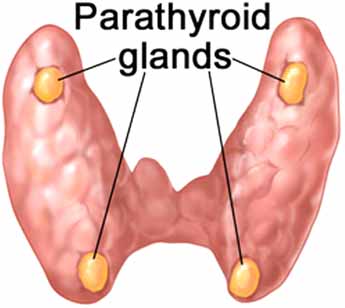
Here’s the problem: TSH doesn’t tell the whole story. It’s a screening test, not a definitive diagnostic marker. TSH is a messenger hormone produced by the pituitary gland in your brain. Its job is to signal your thyroid gland to produce thyroid hormone. When TSH is high, it’s essentially shouting at the thyroid to “make more!” When it’s low, it’s whispering, telling it to “slow down.”
However, the TSH level tells you nothing about what happens after the signal is sent. It doesn’t tell you whether your thyroid can produce the hormone, whether that hormone is converted into its active form, or whether your cells can use it. This is where the real story of thyroid health begins.
The Critical Conversion: From T4 to T3
Your thyroid gland primarily produces an inactive storage hormone called Thyroxine (T4). For your body to use it, T4 must be converted into the biologically active hormone, Triiodothyronine (T3). Think of T4 as a log of wood and T3 as the fire. You can have a whole woodpile (plenty of T4), but if you can’t light it (convert it to T3), you won’t get any heat (metabolic activity).
This conversion process is handled by a group of enzymes called deiodinases. Shockingly, this vital conversion process is incredibly fragile and easily disrupted by the realities of our modern lives. It’s the breakdown in this T4-to-T3 conversion that I believe is responsible for the epidemic of undiagnosed or sub-optimally treated thyroid conditions affecting millions of Americans. People are walking around with “normal” labs but are suffering because their bodies simply aren’t making enough of the active T3 hormone.
This isn’t just a problem that worsens with age, although the efficiency of deiodinase enzymes does decline as we get older. The issue is pervasive across all age groups because the factors that inhibit this conversion are so common.
What’s Blocking Your Thyroid Power? The Deiodinase Inhibitors
So, what are these common factors that slam the brakes on your body’s ability to create active T3? The list is long and unfortunately familiar to most of us:
- Chronic Stress: Who isn’t under stress? When you’re stressed, your body produces high levels of the hormone cortisol. Elevated cortisol directly inhibits the deiodinase enzymes, shunting T4 conversion away from active T3 and toward an inactive form called Reverse T3 (rT3). Reverse T3 acts like a dud key, fitting into the T3 receptor on your cells but failing to activate it, effectively blocking the active hormone from doing its job.
- Gut Dysbiosis and Leaky Gut: A significant portion of T4-to-T3 conversion happens in the gut, facilitated by healthy gut bacteria. When your gut microbiome is out of balance (dysbiosis) or the intestinal lining is compromised (leaky gut), this conversion process is severely impaired.
- Insulin Resistance: With estimates suggesting that up to 93% of the US population may have some degree of metabolic dysfunction, insulin resistance is a massive contributor. High insulin levels are inflammatory and directly interfere with the deiodinase enzymes.
- Common Medications: Many widely prescribed medications also disrupt T3 conversion. This includes:
-
- Beta-blockers (for high blood pressure)
- Birth control pills
- Statins (for cholesterol)
When you look at this list, you realize that almost everyone is exposed to at least one, if not several, of these inhibitors. This is why so many people feel unwell despite having a “normal” TSH.
A New Standard for Thyroid Testing: What I Look For
In my practice, I’ve moved beyond a simple TSH test. To get a clear picture of what’s truly happening with a patient’s thyroid, I order a comprehensive panel. This includes:
- TSH: I still check it as a baseline, but I give it far less weight than other markers.
- Free T4: This measures the amount of inactive hormone available for conversion.
- Free T3: This is the star of the show. It measures the active hormone that’s available for your cells to use. This is the number that most closely correlates with your symptoms.
- Reverse T3 (rT3): This tells us if stress or inflammation is causing your body to convert T4 into an unusable form.
- Thyroid Antibodies (TPO and TG): These help identify autoimmune conditions such as Hashimoto’s disease, the leading cause of hypothyroidism in the United States.
Dr. Jeff Garber, who wrote the Endocrine Society’s thyroid replacement guidelines back in 2012, has himself published papers acknowledging the limitations of TSH. He noted that TSH fluctuates daily and is affected by age, medications, and other factors, making it a “blunt” and often unreliable tool when used in isolation. Yet, these outdated guidelines persist, and clinicians continue to manage patients based on a single, flawed lab value. I see it all the time: a patient feels fantastic on their optimized thyroid medication, but then their primary care doctor sees a suppressed TSH, panics, and takes them off the very medication that was making them feel well. It’s managing the lab, not the patient.
The Power of Optimized T3: A Matter of Life and Death
This isn’t just about feeling better; it’s about living longer and healthier. The focus on T3 is not just anecdotal; it’s backed by robust clinical evidence. Studies are now clearly showing that where your Free T3 level falls within the “normal” range matters immensely.
The standard laboratory reference ranges are based on a population of largely unhealthy people. Therefore, being “in range” isn’t the same as being “optimal.” Research has demonstrated that individuals whose Free T3 levels are in the lower end of the normal range have a significantly higher risk of all-cause mortality and death from cardiovascular disease. Conversely, those with Free T3 levels in the upper end of the normal range have better clinical outcomes, less visceral fat, and a lower risk of death.
The message from the data is unequivocal: higher (but still optimal) levels of Free T3 are protective. Our goal as clinicians should be to move patients from the low end of the range to the high end, where they not only feel their best but are also physiologically more resilient.
The Gut: The Root of All Hormonal Balance
If you trace the threads of hormonal dysfunction, you’ll almost always find they lead back to the gut. As I mentioned, the gut is a primary site for T3 conversion. But its influence extends to every hormone in your body.
- A healthy gut helps regulate insulin and cortisol.
- It’s responsible for metabolizing and eliminating excess estrogen, which is crucial for preventing hormone-driven cancers.
- An unhealthy gut is a breeding ground for systemic inflammation, which disrupts the production of testosterone, progesterone, and growth hormone.
When a patient presents with low T3, I know I’m not just looking at a thyroid problem. I’m looking at a systemic issue rooted in the gut. They almost invariably also have high cortisol, low testosterone, poor sleep, and profound fatigue. Why? Because the central processing hub—the gut—is offline.
This is where the principles of functional medicine become so powerful. Instead of just replacing the missing T3 (which we often do to manage symptoms), we must address the root cause. We have to heal the gut. By doing so, we’re not just fixing the thyroid; we’re rebalancing the entire endocrine system—what some experts call the “system of systems.” The brain affects the gut, the gut affects the brain, and the gut affects everything else.
The Benefits of a Healthy Diet and Chiropractic Care -Video
The Integrative Chiropractic and Functional Medicine Approach
This is where our collaborative model at Injury Medical Clinic truly shines. As a chiropractor, my training is grounded in the understanding of the body as an interconnected system. The nervous system, which is housed and protected by the spine, is the master controller of all bodily functions, including endocrine and immune responses.
- Structural Integrity and Nervous System Function: Through chiropractic adjustments, we can address spinal misalignments (subluxations) that may interfere with nerve signals traveling between the brain and the rest of the body, including the thyroid and adrenal glands (which produce cortisol). Optimizing nervous system function is a foundational step in restoring the body’s innate ability to regulate itself.
- Functional Medicine Investigation: Guided by my advanced training in functional medicine, we dig deep with comprehensive testing—the full thyroid panel, stool analysis to assess the microbiome, and adrenal stress profiles to measure cortisol patterns. This allows us to identify the specific root causes for each patient.
- Holistic Treatment Protocols: Under the medical direction of Dr. Cardenas, we develop a multi-pronged treatment plan. This may include:
-
- Nutritional therapy and targeted supplements to heal the gut lining and rebalance the microbiome.
- Lifestyle modifications, including stress-management techniques like mindfulness and breathwork, to lower cortisol levels.
- Personalized hormone replacement, which may include T3-containing medications when necessary, to restore optimal levels and alleviate symptoms while we work on the underlying issues.
- Rehabilitation and exercise programs to improve insulin sensitivity and support overall metabolic health.
This approach is about putting all the pieces together. We don’t just look at your heart, lungs, or thyroid in isolation. We look at you as a whole person—an intricate machine where every part works in concert. By addressing the structural, neurological, biochemical, and lifestyle factors simultaneously, we can create a powerful synergy that promotes true and lasting healing.
I am deeply passionate about this work, and it’s the subject of my upcoming book, which details the profound connection between the gut and all aspects of our health—from thyroid function and PCOS to menopause and fertility. We are also developing educational programs to empower both patients and clinicians with this knowledge because no one should have to suffer from a condition that is so often treatable. The future of healthcare lies in this integrated, root-cause approach, and it’s a privilege to guide my patients on this journey back to vibrant health.
References
- Garber, J. R., Cobin, R. H., Gharib, H., Hennessey, J. V., Klein, I., Mechanick, J. I., … & Woeber, K. A. (2012). Clinical practice guidelines for hypothyroidism in adults: cosponsored by the American Association of Clinical Endocrinologists and the American Thyroid Association. Thyroid, 22(12), 1200-1235.
- Peeters, R. P. (2017). Subclinical hypothyroidism. New England Journal of Medicine, 376(26), 2556-2565.
- Kneubuehl, S., Brändle, M., & Leuppi, J. D. (2022). Association of free thyroxine and free triiodothyronine with all-cause and cardiovascular mortality in the general population: A meta-analysis. Frontiers in Endocrinology, 13, 955541.
SEO Tags: thyroid health, TSH test, Free T3, T4 to T3 conversion, hypothyroidism, functional medicine, integrative chiropractic, Dr. Alex Jimenez, El Paso, TX, gut health, deiodinase, cortisol, insulin resistance, hormone balance, comprehensive thyroid panel, root cause medicine, Dr. Maria Cardenas, multidisciplinary care
Post Disclaimer *
General Disclaimer, Licenses and Board Certifications *
Professional Scope of Practice *
The information herein on "Gut-Hormone Integration for Better Thyroid Health" is not intended to replace a one-on-one relationship with a qualified health care professional or licensed physician and is not medical advice. We encourage you to make healthcare decisions based on your research and partnership with a qualified healthcare professional.
Blog Information & Scope Discussions
Welcome to El Paso's Premier Wellness and Injury Care Clinic & Wellness Blog, where Dr. Alex Jimenez, DC, FNP-C, a Multi-State board-certified Family Practice Nurse Practitioner (FNP-BC) and Chiropractor (DC), presents insights on how our multidisciplinary team is dedicated to holistic healing and personalized care. Our practice aligns with evidence-based treatment protocols inspired by integrative medicine principles, similar to those on this site and on our family practice-based chiromed.com site, focusing on naturally restoring health for patients of all ages.
Our areas of multidisciplinary practice include Wellness & Nutrition, Chronic Pain, Personal Injury, Auto Accident Care, Work Injuries, Back Injury, Low Back Pain, Neck Pain, Migraine Headaches, Sports Injuries, Severe Sciatica, Scoliosis, Complex Herniated Discs, Fibromyalgia, Chronic Pain, Complex Injuries, Stress Management, Functional Medicine Treatments, and in-scope care protocols.
Our information scope is multidisciplinary, focusing on musculoskeletal and physical medicine; wellness; contributing etiological viscerosomatic disturbances within clinical presentations; associated somato-visceral reflex clinical dynamics; subluxation complexes; sensitive health issues; and functional medicine articles, topics, and discussions.
We provide and present clinical collaboration with specialists from various disciplines. Each specialist follows their professional scope of practice and licensure jurisdiction. We use functional health & wellness protocols to treat and support care for musculoskeletal injuries or disorders.
Our videos, posts, topics, and insights address clinical matters and issues that directly or indirectly relate to our clinical scope of practice.
Our office has made a reasonable effort to provide supportive citations and has identified relevant research studies that support our posts. We provide copies of supporting research studies upon request to regulatory boards and the public.
For further discussion on how this information relates to specific care plans or treatment protocols, please ask Dr. Alex Jimenez, DC, APRN, FNP-BC, or contact us at 915-850-0900.
We are here to help you and your family.
Blessings
Dr. Alex Jimenez DC, MSACP, APRN, FNP-BC*, CCST, IFMCP, CFMP, ATN
Email: [email protected]
Multidisciplinary Licensing & Board Certifications:
Licensed as a Doctor of Chiropractic (DC) in Texas & New Mexico*
Chiropractic Licenses:
Texas DC License #: TX5807, Verified: TX5807
New Mexico DC License #: NM-DC2182, Verified: NM-DC2182
Nurse Practitioner Licenses:
Texas APRN License #: 1191402, Verified: 1191402 *
New Mexico CNP License #: 90560, Verified 90560
Florida APRN License #: 11043890, Verified: APRN11043890 *
Colorado License #: C-APN.0105610-C-NP, Verified: C-APN.0105610-C-NP
New York License #: N25929, Verified N25929
Georgia APRN License #: GAA-NP005701
Multi-State Advanced Practice Registered Nurse (APRN*) Texas & Multi-States
Multi-state Compact APRN License by Endorsement (43 States)
Compact Status: Multi-State License: Authorized to Practice in 43 States*
Nursing Licensure Compact: Updated Here
DEA Registration: (Drug Enforcement Agency Registered)
All medical (MDs) and family practice providers (FNP-APRN) are registered and licensed to offer various levels of medication.
Verify Providers Here
License Verification Link: Nursys License Verifier
* Prescriptive Authority Authorized (DEA Registered Providers). Call if Required
Board Certification:
ANCC FNP-BC: Board Certified Nurse Practitioner*
Education:
Graduate with Honors: ICHS: MSN-FNP (Family Nurse Practitioner Program)
Degree Granted. Master's in Family Practice, MSN Diploma (Cum Laude)
Dr. Alex Jimenez, DC, APRN, FNP-BC*, CFMP, IFMCP, ATN, CCST
(Board Certified: Family Practice Nurse Practitioner—Multistate)*
(Licensed Nurse Practitioner & Chiropractor - Multistate)*
Clinical Director
DC & FNP License (Review Above)
Digital Business Card
NPI: 1205907805
Dr. Maria Cardenas, MD
(Board Certified: Internal Medicine)
(Licensed Medical Doctor)
Medical Director, Clinical Director & Collaborative Physician
NPI # 1164426748
MD License #: J2933
Licenses and Board Certifications:
MD: Medical Doctor
DC: Doctor of Chiropractic
APRNP: Advanced Practice Registered Nurse
FNP-BC: Family Practice Specialization (Multi-State Board Certified)
FNP-BC: Family Practice Across Life Span (Neonatal to Geriatrics)
RN: Registered Nurse (Multi-State Compact License)
CFMP: Certified Functional Medicine Provider
MSN-FNP: Master of Science in Family Practice Medicine
MSACP: Master of Science in Advanced Clinical Practice
IFMCP: Institute of Functional Medicine
CCST: Certified Chiropractic Spinal Trauma
ATN: Advanced Translational Neutrogenomics
Family with Primary Care Focus (Family Nurse Practitioner or FNP)
- The Family Nurse Practitioner (FNP) promotes, maintains, and restores health for individuals and families across the lifespan. FNPs also identify health risks, promote wellness, and diagnose and manage acute and chronic illness.
- The FNP focuses on comprehensive primary care, promoting healthy lifestyles for patients across the lifespan in settings such as private practice, physician offices, and community health centers.
Memberships & Associations:
TCA: Texas Chiropractic Association: Member ID: 104311
TNA: Texas Nurse Association: Member ID: 06458222
TNP: Texas Nurse Practitioner Association ID: 2025091511
AANP: American Association of Nurse Practitioners: Member ID: 2198960
ANA: American Nurses Association: Member ID: 06458222 (District TX01)
| Primary Taxonomy | Selected Taxonomy | State | License Number |
|---|---|---|---|
| No | 111N00000X - Chiropractor | NM | DC2182 |
| Yes | 111N00000X - Chiropractor | TX | DC5807 |
| Yes | 363LF0000X - Nurse Practitioner - Family | TX | 1191402 |
| Yes | 363LF0000X - Nurse Practitioner - Family | FL | 11043890 |
| Yes | 363LF0000X - Nurse Practitioner - Family | CO | C-APN.0105610-C-NP |
| Yes | 363LF0000X - Nurse Practitioner - Family | NY | N25929 |
| Yes | 363LF0000X - Nurse Practitioner - Family | NM |
90560 |
| Yes | 363LF0000X - Nurse Practitioner - Family | GA | GAA-NP005701 |
Dr. Alex Jimenez, DC, APRN, FNP-BC*, CFMP, IFMCP, ATN, CCST
(Board Certified: Family Practice Nurse Practitioner—Multistate)*
(Primary Care Across Lifespan—Neonatal / Pediatric / Adult / Geriatrics)
(Licensed Nurse Practitioner & Chiropractor - Multistate)*
Clinical Director
Digital Business Card
NPI: 1205907805
Dr. Maria Cardenas, MD
(Board Certified: Internal Medicine)*
(Licensed Medical Doctor)*
Medical Director, Clinical Director & Collaborative Physician
NPI # 1164426748
MD License #: J2933
📆 Schedule Appointment: Schedule 24/7 (Click Here)