
Chiropractic Wedges: A Gentle Path to Spinal Health and Pain Relief
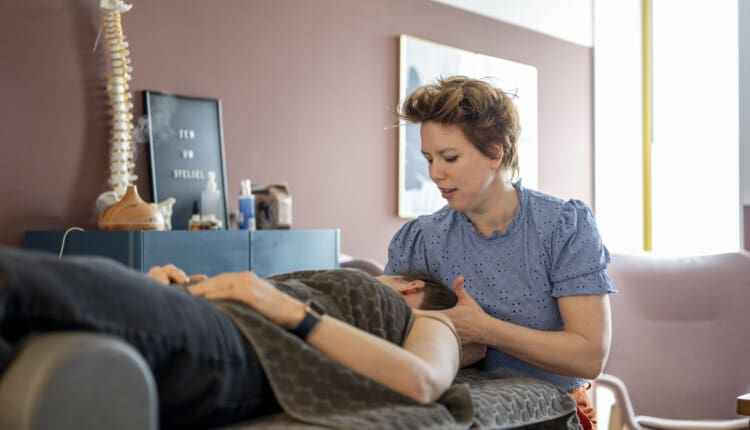
Chiropractic wedges are simple tools that look like triangle-shaped blocks made from foam or other firm materials. Chiropractors place them under parts of the body, such as the feet, pelvis, or neck. This setup uses gravity to gently stretch and align the body. The goal is to fix structural issues, ease pain, and improve the natural curvature of the spine. These wedges do not involve hard pushes or twists. Instead, they let the body’s own weight do the work over time, like 5 to 10 minutes per session.
People use wedges to treat conditions such as back pain, neck strain, and posture imbalances. They can help with conditions such as scoliosis, in which the spine curves sideways, or coccydynia, which causes pain in the tailbone area. By supporting the neck or lower back, wedges reduce pressure on nerves and muscles. This leads to better movement and less daily strain. In many cases, wedges are part of a bigger plan that includes hands-on adjustments from a chiropractor and tips on daily habits (National Center for Complementary and Integrative Health, 2024).
Wedges promote spinal decompression by creating space between the vertebrae. This can relieve pinched nerves and improve blood flow. Over time, regular use helps restore the spine’s natural shape, making it easier to stand tall and move without pain. Clinics with skilled experts often mix wedges with other methods for the best results.
Types of Chiropractic Wedges and How They Work
There are different kinds of wedges, each designed for specific body areas. Here are some common types:
- Neck Wedges (Cervical Wedges): These help correct the neck’s natural curve, called cervical lordosis. A person lies on their back with the wedge under the neck. Gravity gently pulls the head back, opening the joints and reducing pressure on the shoulders and neck. Sessions start at 5 minutes and can go up to 10 minutes. This is great for people with forward head posture from too much screen time (Core Chiropractic, n.d.; Pure Health, n.d.).
- Pelvic Wedges or SOT Blocks: In the Sacro Occipital Technique (SOT), two wedges go under the hips while the person lies face down. They act as a pivot point, allowing gravity to correct twists in the pelvis or spine. This method needs no strong force from the doctor. It helps with lower back issues and balances the body’s base (Tiger Lily Chiropractic, n.d.; Diamond State Chiropractic, n.d.).
- Foot Wedges: These small tools adjust how the feet roll inward or outward, known as pronation or supination. Changes in foot mechanics affect the whole body’s alignment, from the knees to the back. They are useful for ongoing foot pain or recurring injuries (Physioflexx Ayrshire, n.d.; Boroondara Osteopathy, n.d.).
- Lumbar Wedges: Similar to neck ones, these support the lower back’s curve. They stretch the spine and encourage its natural shape, freeing up space for nerves (West Chiropractic, 2021; Visitchirofirst, n.d.).
These tools are passive, meaning the patient just relaxes while they work. They are ideal for gentle care, especially for older adults, pregnant people, or those who want to avoid strong adjustments (Walkley Chiropractic Group, n.d.).
Benefits for Pain Relief and Structural Fixes
Wedges offer many advantages for health. They relieve pain by taking stress off sore areas. For example, in scoliosis, wedges can ease the curve and reduce headaches or sciatica (pain down the leg) (Diamond State Chiropractic, n.d.). For tailbone pain, using a wedge cushion while sitting avoids pressure and speeds healing (El Paso Chiropractor Blog, 2019).
They also correct imbalances, such as pelvic tilt, in which one hip is higher than the other. This can come from detrimental habits, like leaning on one leg a lot, or from injuries. Fixing it prevents pain from spreading to the knees or back (DrAlexJimenez.com, n.d.; Jimenez, n.d.).
Here are the key benefits in a list:
- Reduces neck and shoulder tension by restoring the neck’s curve.
- Eases lower back strain through pelvic balancing.
- Improves foot function to stop pain from traveling up the body.
- Supports better posture, reducing daily aches.
- Helps with decompression, creating space in the spine for better nerve flow.
Studies show that about 11% of U.S. adults used chiropractic care in 2022, often for pain like this (National Center for Complementary and Integrative Health, 2024). Dr. Alexander Jimenez, a chiropractor and nurse practitioner, notes that these methods help with chronic conditions such as sciatica or neuropathy without drugs or surgery. He uses tools such as wedges in his practice to align the hips and reduce inflammation (Jimenez, n.d.; DrAlexJimenez.com, n.d.).
Using Wedges in Rehabilitation and Daily Life
Wedges fit into rehab plans for many groups. For older patients, they provide soft mobilization without risk. Pregnant individuals benefit from pelvic support to help them handle the extra weight. Athletes use them to recover from strains and boost performance (Walkley Chiropractic Group, n.d.; AllCure Spine and Sports, n.d.).
In daily life, seat wedges tilt the pelvis forward during prolonged sitting, such as at a desk or in a car. This keeps the spine’s curve and stops slouching. Lumbar cushions add extra back support (Nexus Chiropractic Clinic, n.d.).
Dos and don’ts are important for safe use:
- Do start slow, like 1-2 minutes, and build up.
- Do relax fully to let gravity work.
- Don’t push through pain; stop if it hurts.
- Don’t use without a doctor’s advice, especially if you have conditions like dizziness (Pure Health, n.d.; Cordova & Siegmund, 2019).
Videos show simple steps, like placing the neck wedge with the flat side against the shoulders and bending the knees for comfort (Cordova & Siegmund, 2019; Heath, n.d.).
Integrative Clinics: Combining Wedges with Other Therapies
An integrative clinic brings together experts like chiropractors, physical therapists, and nutritionists. This team approach uses wedges alongside manual adjustments and lifestyle tips. For example, after a wedge session, a patient might get exercises to strengthen muscles or advice on diet to cut inflammation (Poets Corner Medical Centre, n.d.; Involve Health, n.d.).
This is similar to what the National Center for Complementary and Integrative Health describes: combining manual therapy with exercise and nutrition (National Center for Complementary and Integrative Health, 2024). Acupuncture can relax muscles, while physical therapy builds strength. Nutritional counseling supports healing by focusing on foods that support joint health.
Benefits of this multidisciplinary method include:
- Faster healing from injuries.
- Better mobility and less pain.
- Improved quality of life without relying on pills.
- Personalized plans that look at the whole person, including stress and habits (Dallas Accident and Injury Rehab, n.d.; AllCure Spine and Sports, n.d.).
Medical doctors often see value in this, especially for joint issues, where alignment can help recovery (AICA Orthopedics, n.d.). Dr. Jimenez’s clinic in El Paso uses this style, combining wedges with functional medicine to address root causes like poor nutrition or stress. He observes that it helps with conditions from auto accidents to chronic pain, making adjustments last longer (Jimenez, n.d.; DrAlexJimenez.com, n.d.).
Conditions Treated with Wedges
Wedges help a wide range of problems. For scoliosis, they gently align the spine. In coccydynia, cushions reduce sitting pain (El Paso Chiropractor Blog, 2019). Hip misalignment caused by bad shoes or repetitive movements is corrected with pelvic blocks (DrAlexJimenez.com, n.d.).
Other issues include:
- Chronic headaches from neck strain.
- Sciatica and leg pain.
- Foot problems like over-pronation.
- Posture issues from desk work.
- Arthritis or joint wear in older adults (Physioflexx Ayrshire, n.d.; Poets Corner Medical Centre, n.d.).
In one technique, wedges mobilize joints using body weight, perfect for acute pain (Walkley Chiropractic Group, n.d.). Dr. Jimenez notes that wedges improve nerve function and help prevent recurrence in neuropathy or sports injuries (Jimenez, n.d.).
Safety and When to Seek Help
Wedges are safe when used right, but always check with a pro. Stop if you feel dizzy or experience more pain. They work best under supervision, like in Dr. Jimenez’s protocols (Pure Health, n.d.; Jimenez, n.d.).
If pain lasts, see a chiropractor for an exam. They might use X-rays to guide wedge placement (Core Chiropractic, n.d.).
Conclusion
Chiropractic wedges offer a simple, effective way to improve spinal health. By using gravity for gentle corrections, they relieve pain, fix imbalances, and support overall wellness. In integrative clinics, they team up with other therapies for lasting results. As Dr. Jimenez observes, this approach empowers natural healing (DrAlexJimenez.com, n.d.).
Whether for neck curves, pelvic tilts, or foot mechanics, wedges make a big difference. With proper use, they enhance the quality of life without invasive steps.
References
AICA Orthopedics. (n.d.). Are chiropractors medical doctors?
AllCure Spine and Sports. (n.d.). The benefits of a multidisciplinary therapeutic approach.
Boroondara Osteopathy. (n.d.). Treat pain.
Core Chiropractic. (n.d.). Posture exercises and neck wedges: Do you need them?
Cordova, N., & Siegmund, B. (2019, February 26). How to use a neck wedge [Video]. YouTube.
Dallas Accident and Injury Rehab. (n.d.). Integrating chiropractic care with other treatments.
Diamond State Chiropractic. (n.d.). 5 common chiropractic techniques for back and neck pain.
DrAlexJimenez.com. (n.d.). Out of alignment hips.
El Paso Chiropractor Blog. (2019, October). Tailbone pain, also known as coccydynia.
Heath, J. (n.d.). Wedge videos.
Involve Health. (n.d.). Chiro FAQs.
National Center for Complementary and Integrative Health. (2024, April). Chiropractic: In depth.
Nexus Chiropractic Clinic. (n.d.). Supportive products.
Physioflexx Ayrshire. (n.d.). Foot wedges.
Poets Corner Medical Centre. (n.d.). Why should you visit a holistic chiropractor?
Pure Health. (n.d.). Neck traction wedge dos and don’ts.
Tiger Lily Chiropractic. (n.d.). Our techniques.
Walkley Chiropractic Group. (n.d.). Biomechanical wedges.
West Chiropractic. (2021, March 23). Dr Antonio showing you how to use your wedge [Video]. Facebook.
Post Disclaimer *
Professional Scope of Practice *
The information herein on "Chiropractic Wedges: A Gentle Path to Pain Relief" is not intended to replace a one-on-one relationship with a qualified health care professional or licensed physician and is not medical advice. We encourage you to make healthcare decisions based on your research and partnership with a qualified healthcare professional.
Blog Information & Scope Discussions
Welcome to El Paso's Premier Fitness, Injury Care Clinic & Wellness Blog, where Dr. Alex Jimenez, DC, FNP-C, a Multi-State board-certified Family Practice Nurse Practitioner (FNP-BC) and Chiropractor (DC), presents insights on how our multidisciplinary team is dedicated to holistic healing and personalized care. Our practice aligns with evidence-based treatment protocols inspired by integrative medicine principles, similar to those found on this site and our family practice-based chiromed.com site, focusing on restoring health naturally for patients of all ages.
Our areas of multidisciplinary practice include Wellness & Nutrition, Chronic Pain, Personal Injury, Auto Accident Care, Work Injuries, Back Injury, Low Back Pain, Neck Pain, Migraine Headaches, Sports Injuries, Severe Sciatica, Scoliosis, Complex Herniated Discs, Fibromyalgia, Chronic Pain, Complex Injuries, Stress Management, Functional Medicine Treatments, and in-scope care protocols.
Our information scope is multidisciplinary, focusing on musculoskeletal and physical medicine, wellness, contributing etiological viscerosomatic disturbances within clinical presentations, associated somato-visceral reflex clinical dynamics, subluxation complexes, sensitive health issues, and functional medicine articles, topics, and discussions.
We provide and present clinical collaboration with specialists from various disciplines. Each specialist is governed by their professional scope of practice and their jurisdiction of licensure. We use functional health & wellness protocols to treat and support care for musculoskeletal injuries or disorders.
Our videos, posts, topics, and insights address clinical matters and issues that are directly or indirectly related to our clinical scope of practice.
Our office has made a reasonable effort to provide supportive citations and has identified relevant research studies that support our posts. We provide copies of supporting research studies upon request to regulatory boards and the public.
We understand that we cover matters that require an additional explanation of how they may assist in a particular care plan or treatment protocol; therefore, to discuss the subject matter above further, please feel free to ask Dr. Alex Jimenez, DC, APRN, FNP-BC, or contact us at 915-850-0900.
We are here to help you and your family.
Blessings
Dr. Alex Jimenez DC, MSACP, APRN, FNP-BC*, CCST, IFMCP, CFMP, ATN
email: [email protected]
Multidisciplinary Licensing & Board Certifications:
Licensed as a Doctor of Chiropractic (DC) in Texas & New Mexico*
Texas DC License #: TX5807, Verified: TX5807
New Mexico DC License #: NM-DC2182, Verified: NM-DC2182
Multi-State Advanced Practice Registered Nurse (APRN*) in Texas & Multi-States
Multistate Compact APRN License by Endorsement (42 States)
Texas APRN License #: 1191402, Verified: 1191402 *
Florida APRN License #: 11043890, Verified: APRN11043890 *
Verify Link: Nursys License Verifier
* Prescriptive Authority Authorized
ANCC FNP-BC: Board Certified Nurse Practitioner*
Compact Status: Multi-State License: Authorized to Practice in 40 States*
Graduate with Honors: ICHS: MSN-FNP (Family Nurse Practitioner Program)
Degree Granted. Master's in Family Practice MSN Diploma (Cum Laude)
Dr. Alex Jimenez, DC, APRN, FNP-BC*, CFMP, IFMCP, ATN, CCST
My Digital Business Card
RN: Registered Nurse
APRNP: Advanced Practice Registered Nurse
FNP: Family Practice Specialization
DC: Doctor of Chiropractic
CFMP: Certified Functional Medicine Provider
MSN-FNP: Master of Science in Family Practice Medicine
MSACP: Master of Science in Advanced Clinical Practice
IFMCP: Institute of Functional Medicine
CCST: Certified Chiropractic Spinal Trauma
ATN: Advanced Translational Neutrogenomics