
Can Athletes Continue Training with Integrative Chiropractic Care? Safe Modifications for Faster Recovery
Athletes often worry about stopping all activity when they get hurt. The good news is clear: yes, athletes can generally continue training or playing sports while under the care of an integrative chiropractor. The key is smart changes to the routine. These changes help the body heal while maintaining strength and fitness levels. An integrative approach looks at the whole person. It combines spinal adjustments, soft tissue work, nutrition tips, and movement plans.
This method does not push for total downtime. Instead, it focuses on what experts call “optimal loading.” That means applying just enough stress to stimulate healing without overwhelming damaged structures. Complete rest is rarely the answer. Controlled, modified training gets athletes back to full, pain-free performance faster. The chiropractor acts as a trusted partner.
Together, they build a personalized plan that fits the athlete’s sport, injury type, and goals
- Many athletes fear losing progress during recovery.
- Integrative chiropractic care changes that mindset.
- Adjustments improve joint movement and reduce pain naturally.
- At the same time, light activity keeps blood flowing to injured areas.
- This speeds repair and prevents stiffness.
Studies and real-world clinical results show that athletes who follow modified programs return to competition sooner and with a lower risk of reinjury.
• Listen to your body every day
• Start each session with a warm-up
• Keep pain below a mild level
• Track small daily improvements
• Adjust the plan weekly with your chiropractor
These simple steps make recovery feel manageable instead of scary
Optimal loading is the heart of modern sports recovery. Too little movement slows healing because tissues need gentle stress to rebuild stronger. Too much movement causes new damage. Integrative chiropractors guide athletes through the perfect middle ground. For example, after a back strain, an athlete might skip heavy lifts but still do light core work and walking. This keeps muscles active without strain.
One clear guide states, “Complete rest is rarely the answer. Modern approaches support the principle of ‘optimal loading’—applying just enough stress to stimulate healing without overwhelming damaged structures.” Athletes who follow this rule stay in better shape overall. They maintain heart fitness, muscle tone, and even mental sharpness during downtime.
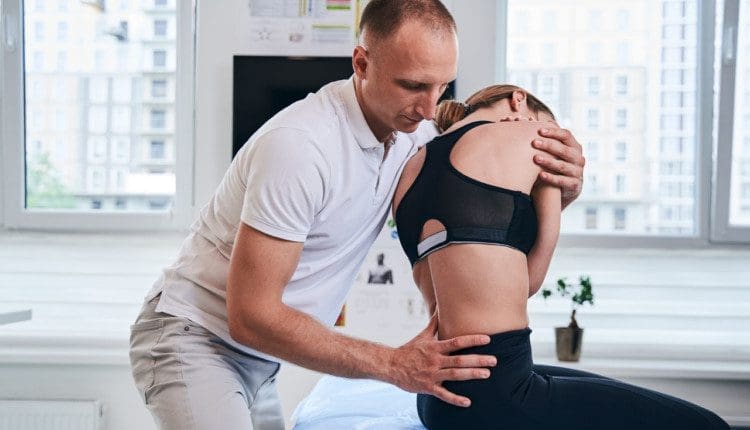
Chiropractic visits play a big role here. Adjustments realign the spine and joints so the body moves better. This reduces pressure on injured spots and helps nerves fire correctly. Many clinics offer soft-tissue release, stretching guidance, and strength exercises right in the office. The result? Faster healing and smoother return to sport.
• Control swelling with ice and gentle motion in the first days
• Drink plenty of water to keep tissues flexible
• Add low-impact cardio like swimming or cycling
• Include daily mobility drills for tight areas
• Eat foods rich in protein and anti-inflammatory nutrients
These easy habits support the chiropractor’s work and keep recovery on track
Gradual return programs make the process even safer. Health experts recommend stepping up activity in clear stages. Start with light aerobic movement that raises the heart rate without impact. Next, add moderate effort with more body movement. Then move to heavier non-contact drills. Finally, practice full sports skills before jumping back into games.
The Centers for Disease Control and Prevention outlines a similar step-by-step path for concussion recovery that works well for many injuries. Each stage lasts at least 24 hours. If symptoms return, the athlete drops back one step and rests briefly. This built-in safety net prevents rushing and builds confidence.
• Step 1: Light walking or stationary bike for short times
• Step 2: Jogging or moderate resistance moves
• Step 3: Sprint drills and full weights (no contact)
• Step 4: Sport-specific skills without opponents
• Step 5: Full practice and competition
Athletes who stick to this pattern report feeling stronger and more prepared when they finally compete again
Personalized plans are what make integrative chiropractic so powerful. Every athlete is different. A runner with knee pain needs different moves than a soccer player with an ankle sprain. The chiropractor checks posture, movement patterns, and even daily habits. Then they create a custom roadmap. Regular check-ins let the plan evolve as healing happens.
Clinical observations from Dr. Alexander Jimenez, DC, APRN, FNP-BC, highlight this teamwork. In his integrative practice, Dr. Jimenez sees athletes recover best when chiropractic care pairs with functional movement and whole-body support. He notes that tailored rehab programs—mixing mobility drills, core stability, and light conditioning—allow patients to continue training safely. Nutrition and stress management also play key roles. His patients often return to their sports more quickly because the plan addresses the root cause rather than just the pain (Jimenez, n.d.).
Active recovery days keep momentum going. Instead of lying on the couch, athletes might walk, stretch, or use foam rollers. These light sessions boost blood flow, clear waste from muscles, and maintain neural connections. One recovery guide explains, “Active recovery involves engaging in low-intensity activities to promote blood flow and reduce muscle soreness.” Staying hydrated during these sessions helps even more. Water carries nutrients to healing tissues and keeps joints lubricated.
• Foam roll tight spots for five minutes daily
• Stretch major muscle groups after light activity
• Add balance exercises to rebuild stability
• Use compression sleeves for swollen areas
• Get quality sleep to let the body repair overnight
Small actions like these add up fast and prevent the weakness that comes with long rest periods
Nutrition and hydration deserve their own spotlight. Muscles and connective tissues need fuel to rebuild. Protein helps repair fibers, while vitamins fight inflammation. Drinking enough water every day stops stiffness and supports nerve function. Many chiropractors give simple meal ideas that fit busy training schedules. When athletes eat and drink right, they notice less soreness and quicker progress between visits.
Inflammation needs smart handling too. In the first few days after injury, light icing and compression help calm the area. Gentle movement then keeps fluid from building up too much. Chiropractic adjustments help here by improving circulation and reducing nerve irritation. The goal stays the same: keep just enough activity to guide healing without adding stress.
Some athletes wonder about timing right after an adjustment. Most can move soon, but experts suggest waiting about 30 minutes before a vigorous effort. This gives joints time to settle into their new positions. Start with easy walking or swimming. Slowly add intensity as comfort grows. Pain should stay very low—no more than a 2 out of 10. If it climbs higher, back off and consult the chiropractor.
• Warm up gently before any session
• Focus on form over heavy weights
• Mix in cross-training to rest injured spots
• Track workouts in a simple notebook
• Celebrate small wins like a better range of motion
These habits turn recovery into steady progress instead of guesswork
Chiropractic techniques also boost overall performance once the acute phase passes. Adjustments improve joint range, balance, and power output. Many athletes notice better speed and endurance after regular care. This preventive measure effectively wards off future injuries. The same plan that heals today builds a stronger foundation for tomorrow.
When not to push is just as important as knowing when to move. Sharp pain, worsening swelling, or numbness means to stop and rest that part. Integrative chiropractors teach athletes to read these signals early. They provide tools such as home exercises and self-check methods to help athletes stay safe between visits.
Team sports and individual athletes all benefit the same way. Runners keep mileage low but gradually add hills. Swimmers focus on technique drills. Weightlifters drop heavy loads but keep perfect form with lighter bars. Every sport has safe ways to stay in the game.
The most significant shift happens in the athlete’s mind. Instead of fearing rest, they see the chiropractor as a coach for smart training. The goal moves from “complete rest” to “controlled, modified training.” This partnership builds trust and motivation. Athletes feel in control and excited about getting back stronger.
Real results show up quickly
Less time off means more practice hours and better season performance. Lower re-injury rates keep careers longer. Many athletes say they actually learn better movement habits during recovery that carry over into peak training.
- Integrative chiropractic fits any level of sport.
- Weekend warriors, college players, and pros all use these methods.
- The approach stays flexible.
- Plans adjust for age, fitness background, and specific goals.
- This makes it practical for busy lives.
Looking ahead, the future of sports recovery leans even more toward this balanced style. New research continues to confirm that smart loading beats total rest for most soft-tissue injuries. Chiropractors trained in integrative methods stay ahead by blending adjustments with modern rehab science.
Athletes who choose this path gain more than healing. They gain knowledge about their bodies. They learn how to train smarter for life. The chiropractor remains a lifelong resource for peak performance and injury prevention.
In the end, recovery does not have to mean sitting out. With guidance from an integrative chiropractor, athletes keep moving, keep improving, and return ready to shine. The combination of optimal loading, personalized plans, and steady progress turns setbacks into comebacks.
References
Is It OK To Exercise After An Adjustment? (Rincon Chiropractic, n.d.)
Safe Return to Sport Guide (The Chiropractors, n.d.)
Trusted Strategies for Athletes’ Injury Recovery (Rodgers Stein Chiropractic, n.d.)
5 Tips for Athlete Recovery and Performance (Chiropractic Fitness, 2025)
Returning to Sports (Centers for Disease Control and Prevention, 2025)
Injury Specialists (Jimenez, A., n.d.)
Post Disclaimer *
Professional Scope of Practice *
The information herein on "Can Athletes Continue Training Under Chiropractic Care?" is not intended to replace a one-on-one relationship with a qualified health care professional or licensed physician and is not medical advice. We encourage you to make healthcare decisions based on your research and partnership with a qualified healthcare professional.
Blog Information & Scope Discussions
Welcome to El Paso's Premier Fitness, Injury Care Clinic & Wellness Blog, where Dr. Alex Jimenez, DC, FNP-C, a Multi-State board-certified Family Practice Nurse Practitioner (FNP-BC) and Chiropractor (DC), presents insights on how our multidisciplinary team is dedicated to holistic healing and personalized care. Our practice aligns with evidence-based treatment protocols inspired by integrative medicine principles, similar to those found on this site and our family practice-based chiromed.com site, focusing on restoring health naturally for patients of all ages.
Our areas of multidisciplinary practice include Wellness & Nutrition, Chronic Pain, Personal Injury, Auto Accident Care, Work Injuries, Back Injury, Low Back Pain, Neck Pain, Migraine Headaches, Sports Injuries, Severe Sciatica, Scoliosis, Complex Herniated Discs, Fibromyalgia, Chronic Pain, Complex Injuries, Stress Management, Functional Medicine Treatments, and in-scope care protocols.
Our information scope is multidisciplinary, focusing on musculoskeletal and physical medicine, wellness, contributing etiological viscerosomatic disturbances within clinical presentations, associated somato-visceral reflex clinical dynamics, subluxation complexes, sensitive health issues, and functional medicine articles, topics, and discussions.
We provide and present clinical collaboration with specialists from various disciplines. Each specialist is governed by their professional scope of practice and their jurisdiction of licensure. We use functional health & wellness protocols to treat and support care for musculoskeletal injuries or disorders.
Our videos, posts, topics, and insights address clinical matters and issues that are directly or indirectly related to our clinical scope of practice.
Our office has made a reasonable effort to provide supportive citations and has identified relevant research studies that support our posts. We provide copies of supporting research studies upon request to regulatory boards and the public.
We understand that we cover matters that require an additional explanation of how they may assist in a particular care plan or treatment protocol; therefore, to discuss the subject matter above further, please feel free to ask Dr. Alex Jimenez, DC, APRN, FNP-BC, or contact us at 915-850-0900.
We are here to help you and your family.
Blessings
Dr. Alex Jimenez DC, MSACP, APRN, FNP-BC*, CCST, IFMCP, CFMP, ATN
email: [email protected]
Multidisciplinary Licensing & Board Certifications:
Licensed as a Doctor of Chiropractic (DC) in Texas & New Mexico*
Texas DC License #: TX5807, Verified: TX5807
New Mexico DC License #: NM-DC2182, Verified: NM-DC2182
Multi-State Advanced Practice Registered Nurse (APRN*) in Texas & Multi-States
Multistate Compact APRN License by Endorsement (42 States)
Texas APRN License #: 1191402, Verified: 1191402 *
Florida APRN License #: 11043890, Verified: APRN11043890 *
Verify Link: Nursys License Verifier
* Prescriptive Authority Authorized
ANCC FNP-BC: Board Certified Nurse Practitioner*
Compact Status: Multi-State License: Authorized to Practice in 40 States*
Graduate with Honors: ICHS: MSN-FNP (Family Nurse Practitioner Program)
Degree Granted. Master's in Family Practice MSN Diploma (Cum Laude)
Dr. Alex Jimenez, DC, APRN, FNP-BC*, CFMP, IFMCP, ATN, CCST
My Digital Business Card
RN: Registered Nurse
APRNP: Advanced Practice Registered Nurse
FNP: Family Practice Specialization
DC: Doctor of Chiropractic
CFMP: Certified Functional Medicine Provider
MSN-FNP: Master of Science in Family Practice Medicine
MSACP: Master of Science in Advanced Clinical Practice
IFMCP: Institute of Functional Medicine
CCST: Certified Chiropractic Spinal Trauma
ATN: Advanced Translational Neutrogenomics